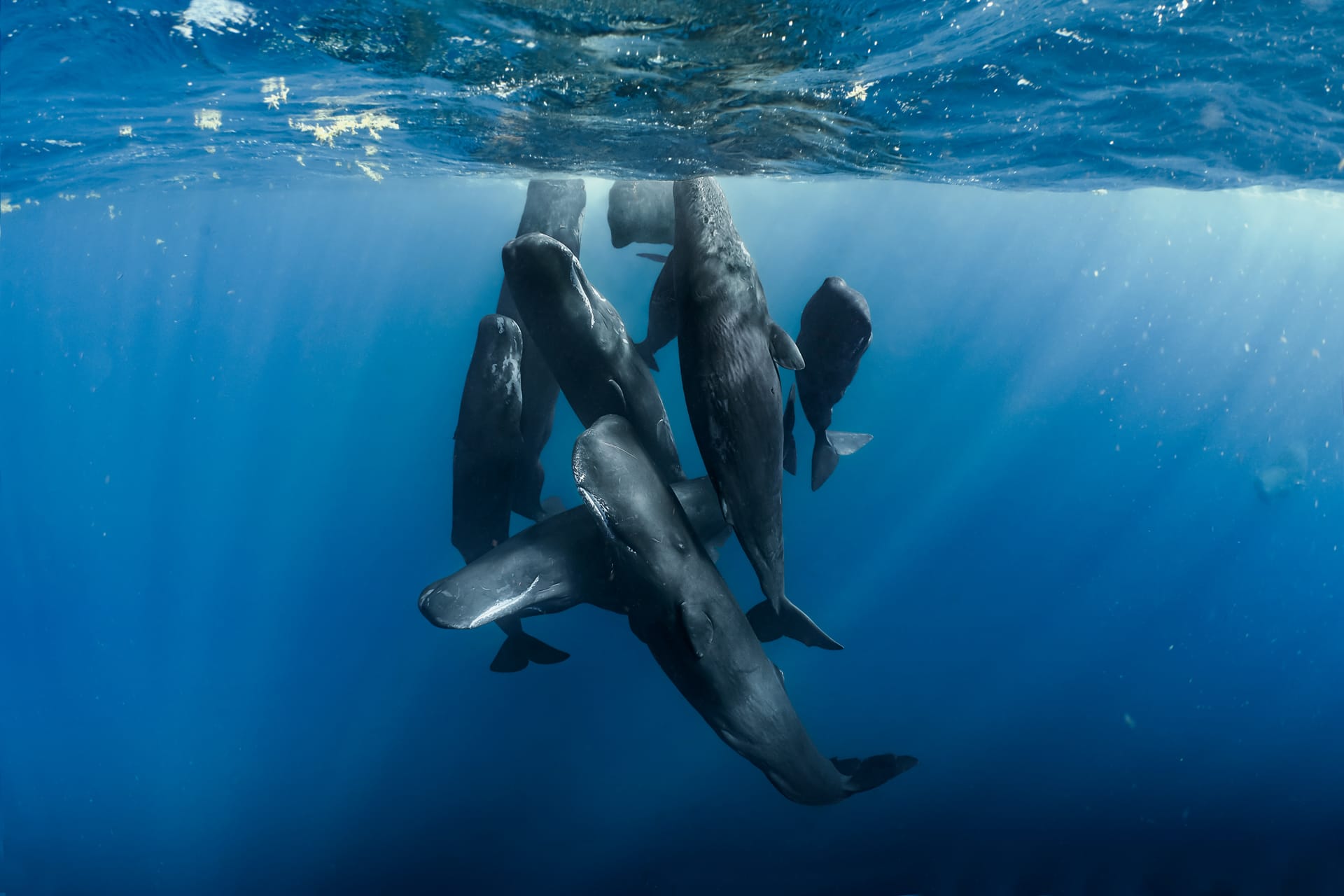
Getting your head around climate change means navigating a lot of dodgy information. We picked out a few of our (least) favorite climate myths, and found out the real truth.
Myth #1: Plant milk is just as bad as cow’s milk
The short answer? No it isn’t. There are many kinds of plant milk, which all have pros and cons when it comes to the environment (not to mention health, and whether they taste good in coffee or not). But whether you’re looking at carbon emissions, pollution from fertiliser, or land and water use, oat, soy, almond and rice milk beat cow’s milk every time.
Dairy products have among the highest environmental footprint of any foods, because of the land used to farm cows (including growing crops to feed them) and the large amounts of methane that cows emit when they burp. It might sound weird to worry about cow burps, but they’re a bigger problem than you might think.
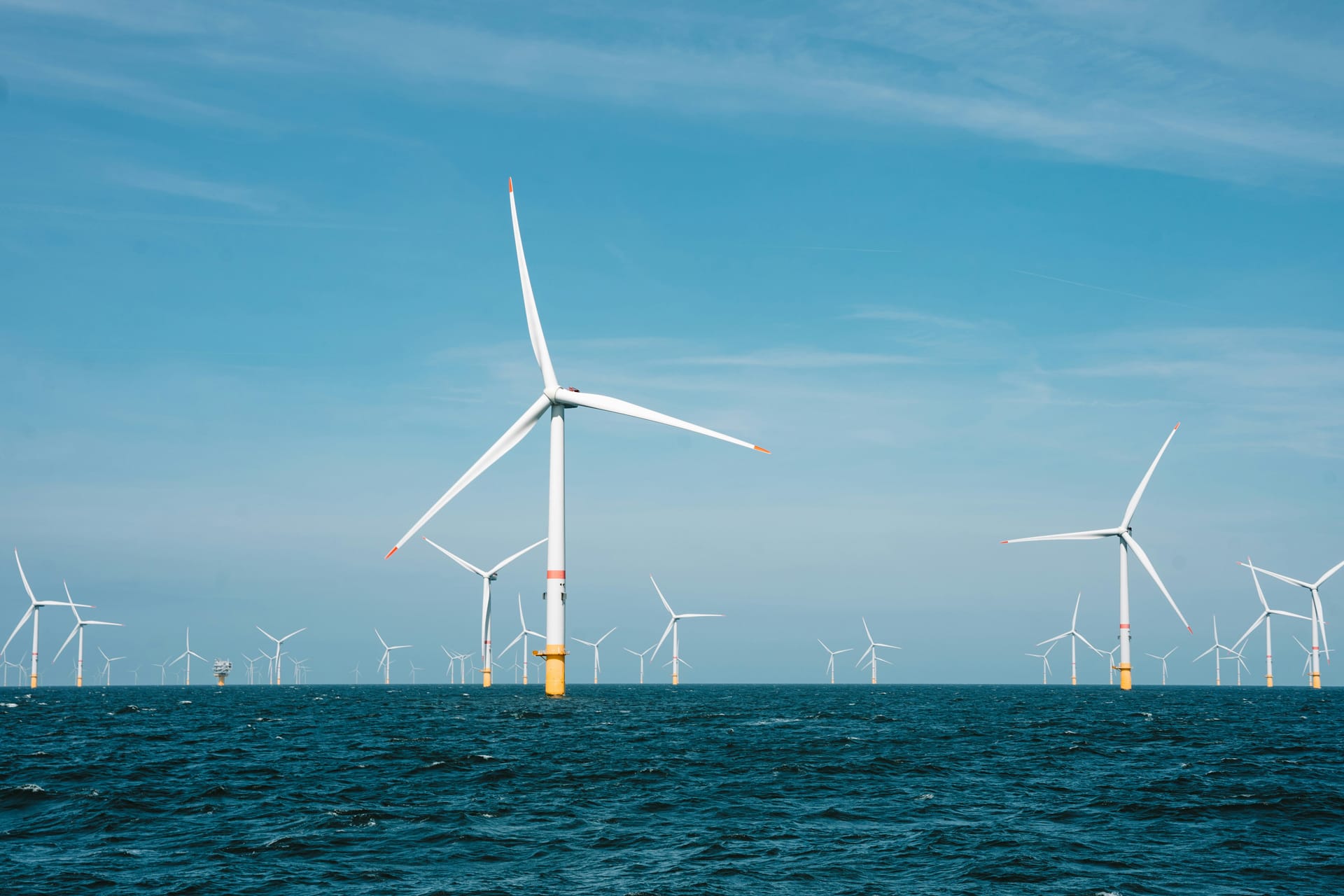
Photo: Jesse de Meulenaere
Myth #2: Wind turbines kill whales
We have Donald Trump to thank for popularizing this myth: he said in 2023 that windmills were driving whales “crazy” and causing them to wash up on beaches “in numbers never seen before”. They’re not.
Perhaps Trump had heard concerns about the technology used to survey the seabed before wind turbines are built. This involves sending soundwaves into the ocean, which can disturb sea life. But the NOAA, which regulates the use of this tech in the US, says there is nothing to suggest it’s linked to any whale deaths. Andrew Read of the Marine Mammal Commission told the media that “there is no scientific evidence whatsoever” that wind turbines are causing “any whale deaths at all”.
The real threats to whales? Boats, fishing nets and… oh yeah, climate change.
Myth #3: Renewables cause blackouts
When an unprecedented blackout hit Spain and Portugal in April 2025, it took 10 hours to get the power back on – but much less time than that for commentators to start blaming renewables.
A Spanish government investigation later debunked the theory that the blackout was due to too much solar and wind and too little ‘inertia’ from spinning turbines in conventional power plants (inertia was, in fact, within recommended levels). The investigation also found that conventional power plants had failed to fulfil their role of managing voltage surges – despite getting paid to do it. It’s true that renewable sources work differently to fossil fuels, and need to be managed right to keep grids stable. But blackouts aren’t just caused by one type of energy or another.
Myth #4: You’re a hypocrite because you…
Is it ok to talk about climate change if you also sometimes eat meat? Or drive a car? Or wear clothes? If you’ve ever voiced concern about the environment, you’ve probably been reminded that we live in a world fuelled by oil, and that you participate in this. So you’re a hypocrite.
By this logic you have two options: a) shut up about climate change, or b) go live in a shack in the woods. The notion that anyone who is less than perfect should keep quiet about climate works out nicely, of course, for the big polluters who are actually causing the problem.
The reality is, we don’t need a handful of perfect environmentalists, we need a world full of imperfect ones, speaking up about it as much as they can.
Photo: Markus Distelrath
Myth #5: We can’t afford to fix climate change
Let’s face it, we don’t know how much it will cost to fix climate change because we haven’t tried it yet. But estimates generally land in the ballpark of a couple of percent of global GDP.
That’s a figure in the trillions of dollars. But then, we already spend more than two trillion dollars globally on the military. And the subsidies we pay to the very fossil fuel businesses that are driving the climate crisis run to an eye-watering seven trillion, when you include tax breaks.
In any case, what’s clear is that the costs of addressing climate disruption will be dwarfed by the costs of fixing the damage. A study published in Nature in 2024 warned that the costs of climate damage between now and 2050 would likely be six times higher than the costs of keeping emissions down in line with the target of 2°C warming.
The question is, can we afford not to fix climate change?
Myth #6: It’s too late to fix it anyway
This is the latest installment in a long series of diversion tactics. First came climate denial which said, nothing’s happening – do nothing. When that ran out of road we got climate delay, which said, sit tight, wait for the tech to mature. (Do nothing, in other words.) In the latest exciting chapter we learn that, whoops, we delayed too long and now it’s a lost cause. We might as well… do nothing.
The truth is that it’s never too late to take action to protect what we have. Every bit of heating we can prevent is worth preventing, so there doesn’t come a point when we get to give up. Look around you. If you see stuff worth saving, it’s not too late.

Focused on the wonderful world of rewilding, Volume 5 sees us get into the weeds – and go beyond the ferns – with our green-thumbed cover star Zach Galifianakis, walk with wolves in Slovenia, create a wilder world in Denmark, find meaning in fashion, and much, much more.



Interviews