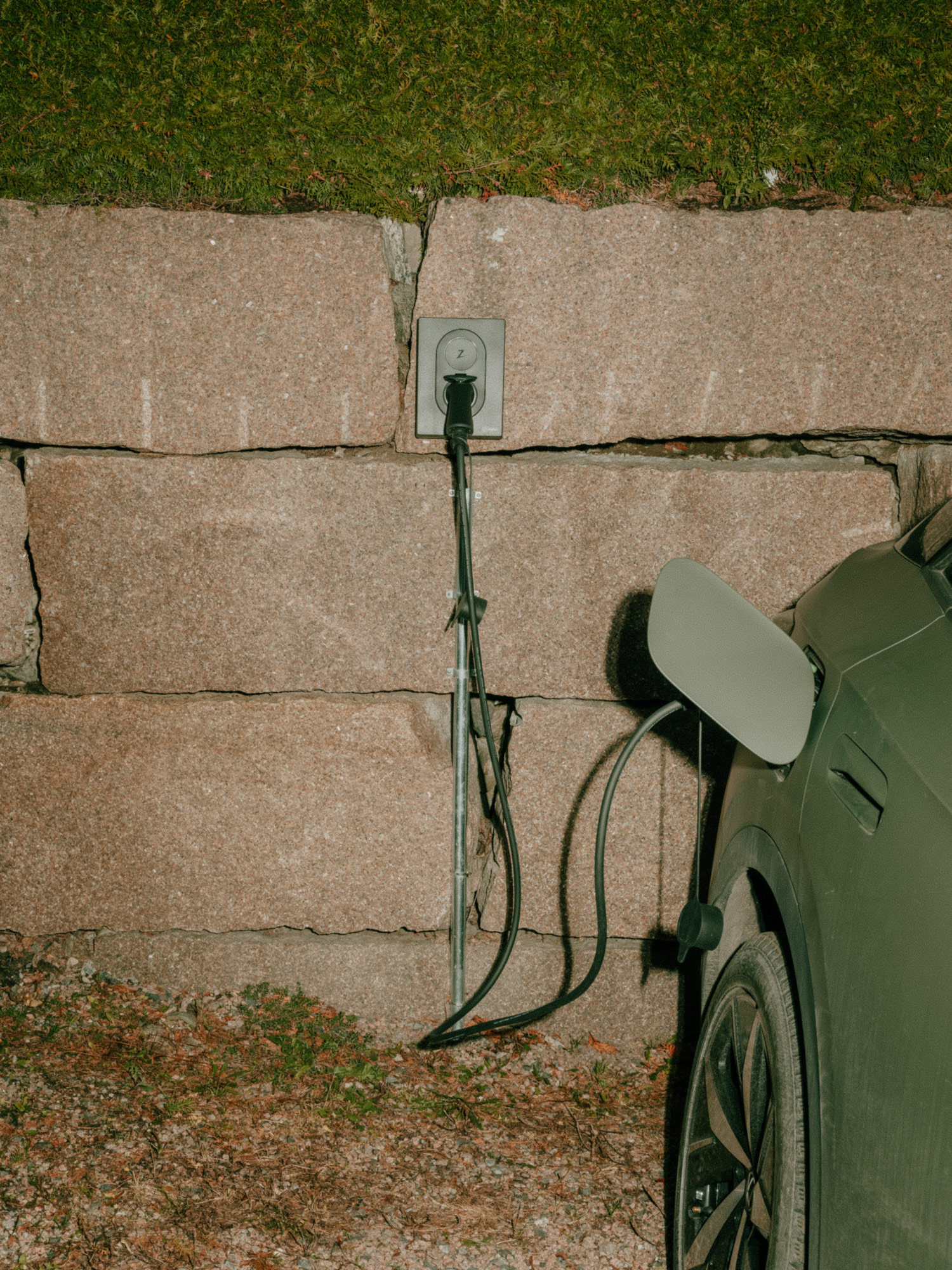
EVs are increasingly popular, but misconceptions about their eco credentials and performance seem to spread all over the world before the truth has unplugged itself from the charger. Let’s set the record straight.
Are EVs as bad for the environment as regular cars?
No. Despite rapid growth in sales of EVs, about two-thirds of us believe they just swap one environmental problem for another, according to surveys by Electrify Research. “The impacts of extracting gasoline and burning it every time you drive your car, are absolutely colossal,” says Ben Marks of Electrify. “But people don’t seem to see that or worry about it in the way they do about the batteries that go in EVs.”
It’s true that manufacturing an electric car (including its battery) is more polluting than manufacturing a similar gasoline car. But when you include the pollution caused when driving the car, an EV’s impact is way lower – both in terms of driving climate change, and in terms of emitting particles that damage our health. The time it takes to reach the “break-even” point when the benefit of going electric outweighs the impact of making the car, depends on the car, how you use it and how your electricity is produced. In the UK, a couple of years is typical.
What if an EV runs on electricity generated from gas or coal?
EVs use energy much more efficiently than conventional car engines, which lose about half their energy in the form of heat. That means an EV is almost always the lowest-carbon option, even if your electricity comes from dirty sources like gas and coal. The size of the benefit depends a lot on where you live (e.g. Vermont’s electricity is almost 100% renewable, while a couple of hours drive away in Connecticut it’s only 3%), but will keep growing as our electricity gets greener.
Aren’t EVs always running out of charge?
Most new electric cars can do more than 200 miles on one charge. But the anxiety of early EV adopters about a lack of range seems to have stuck around, despite the cars getting so much more reliable. “It’s clear from rising EV sales that concerns about eco credentials aren’t holding buyers back,” says Ben Marks. “But practical concerns might, because a lot of people just don’t realize how far today’s cars can go.”

Can the grid handle the transition to EVs?
It means adaptation, but this is not something grid operators are expressing a lot of concern about. The US Department of Energy said in 2024 that the transition to EVs is “achievable and well underway”.
I keep hearing about EVs bursting into flames.
This is one of the most prevalent EV myths, according to Electrify Research’s surveys. Why? Maybe because fires caused by dodgy batteries in scooters and e-bikes have given EVs a bad name, and because batteries can burn quite fiercely, so EV fires – while rare – are dramatic. But the truth is that regular cars (which, let’s not forget, have a tank of gas in them) are much more likely to catch fire – more than 10 times as likely, some sources suggest.
Are there enough of the minerals needed to make EV batteries?
We’re not about to run out of lithium, although the industry is having to work fast to keep up with demand. At the same time, better recycling means we can recover more and more of the materials we need, and new battery tech is reducing reliance on materials such as cobalt and nickel. For perspective, keep in mind the vast quantities of oil that need to be extracted – and burned – to run conventional cars. Under European recycling rules, EVs will end up consuming 300-400 times less raw materials than conventional cars.
What about when the battery dies? Can it be recycled?
Many batteries now come with 100,000-mile warranties, and recycling systems exist to deal with them when they’re done. China and Europe are ahead of the US on this: Europe is phasing in rules that will require new batteries to be made of 70% recycled material by 2030, and China even has a battery tracing system to make recycling more efficient. Used car batteries can also begin a second life in other areas – for instance, Coldplay have been using them to power their live shows.
Doesn’t mining for these minerals wreck the environment and perpetuate child labor?
Most EV batteries still use cobalt, although new models are now more often cobalt-free. And yes, there are serious problems with cobalt mining in the Democratic Republic of the Congo (where 70% of cobalt comes from), not least child labor. The industry needs to get a grip on this – and it’s not just EVs. Much of that cobalt from the DRC does go into vehicles, but a lot also goes to other common applications such as mobile phones, airplane parts and medical implants. There’s also lithium, which goes into EVs, phones, laptops and electric toothbrushes. Gasoline cars don’t rely on these rare minerals – but they do burn up gas every time you drive them. And the impact of extracting and burning that is an even bigger concern.
What if EVs are just here to save the car industry, not the planet?
EVs are not the whole solution to the climate crisis – even if carmakers would like you to believe so. We also need to walk, cycle and take public transport more. But neither are cars about to disappear completely. And the ones we have, will be electric.

Focused on the wonderful world of rewilding, Volume 5 sees us get into the weeds – and go beyond the ferns – with our green-thumbed cover star Zach Galifianakis, walk with wolves in Slovenia, create a wilder world in Denmark, find meaning in fashion, and much, much more.