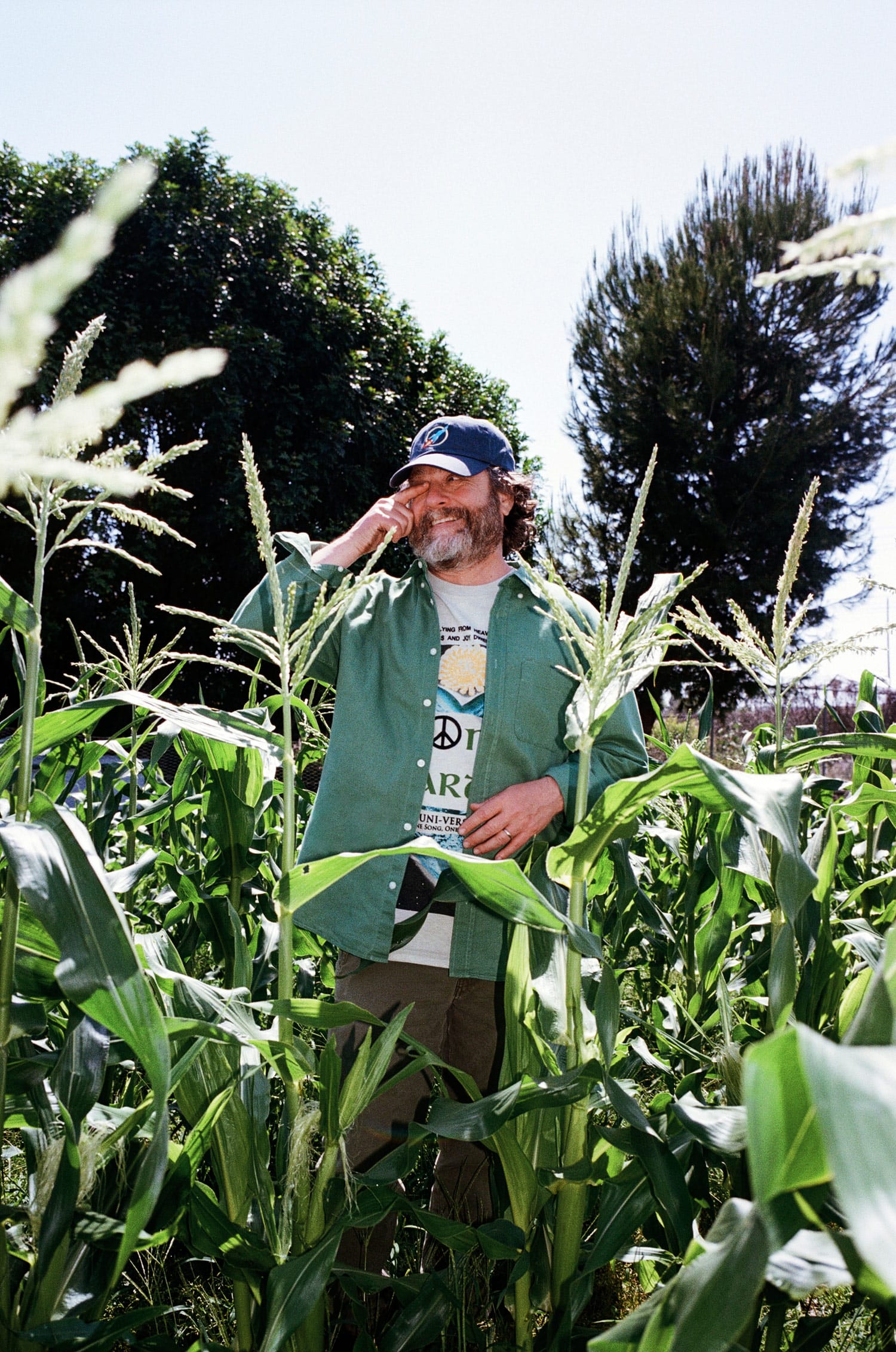
Zach Galifianakis on the joy of compost, and why he wants to teach the world to grow stuff.
It was on the Greek island of Crete, many years ago, that Zach Galifianakis realized he wanted “to grow old in a garden”.
“I saw this old man in his potato patch, and he looked so happy. He was in his eighties. Something hit me right then and there,” he says, “and as a young man I put that in the back of my mind.”
At the age of 56, the dream appears to be on track: Galifianakis’ latest show for Netflix is called This is a Gardening Show.
The idea first came to him during Covid lockdowns, Galifianakis says over the phone from LA, where he has just been on Jimmy Kimmel Live to promote the new show. “I was spending a lot of time in my greenhouse. One day I thought to myself, I should do a gardening show… Then out of nowhere, these producers called and said, would you want to do a gardening show? And I said yes.”
“I want the next generation to be better at this stuff than my generation”
His original idea was playing for laughs: a YouTube series where each instalment would initially appear like yet another handmade gardening how-to video, until at some point a celebrity guest is dramatically revealed. He explains: “You’re like, oh, this guy’s teaching me how to grow tomatoes, from his little wonky handheld camera, then he walks out of the greenhouse into this beautiful garden and Paul Simon would be just singing there. And you would never know unless you kept watching.”
Galifianakis pitches the discarded idea with enthusiasm, but the show he ended up making is very different. “I decided I wanted it to lean more on the informative than the interesting comedy thing I was trying to do,” he says. “It was done out of the love of gardening.”
Something in the air
Galifianakis has been a recognizable face for nearly two decades, thanks to movies including The Hangover trilogy, Birdman and the live action Lilo & Stitch. He has also carved out a niche of his own as the host of spoof online talk show Between Two Ferns, where millions have watched him put incredibly rude questions to the likes of Barack Obama, Sean Penn and Natalie Portman. (“On a scale of 1 to 100, how many words do you know?” he once asked Keanu Reeves.)
If you’re familiar with Between Two Ferns, then Galifianakis might not be the first person you’d recommend to front a wholesome show about growing your own food. He gets it. “It’s hard to be mean to gardeners,” he says. “I have such ultimate respect for people that are gardeners, I just do.”
This is a Gardening Show is a lovingly crafted thing, and the version of Galifianakis we meet here is warm-hearted and full of childlike enthusiasm for compost, tractors and potatoes. More than once he declares a piece of produce to be the best specimen he’s ever tasted. He’s still a little impish and impulsive, his rambling chats and deadpan monologues punctuated by his trademark wheezy laugh.
The show’s does-what-it-says-on-the-tin title makes more sense the more you watch, since this doesn’t always feel like a gardening show, aside from all the gardens. Its psychedelic title music – a 1969 song by British band Thunderclap Newman – lends it an unexpectedly revolutionary air, urging us to “call out the instigators, ’cos there’s something in the air,” over images of Galifianakis’ looming bearded face.
Gallows humor
Each 15-minute episode kicks off with Galifianakis interviewing kids about growing food, making space for plenty of goofing around and a smudge of toilet humor. It’s in these sections that we can sense the DNA this show shares with Between Two Ferns – but the prevailing vibe is kindness instead of snark. The rest of the show sees Galifianakis hanging out with farmers and foragers, learning their tricks and reflecting on why it all matters. If the show is to be believed, he’s actually kind of a nice guy.
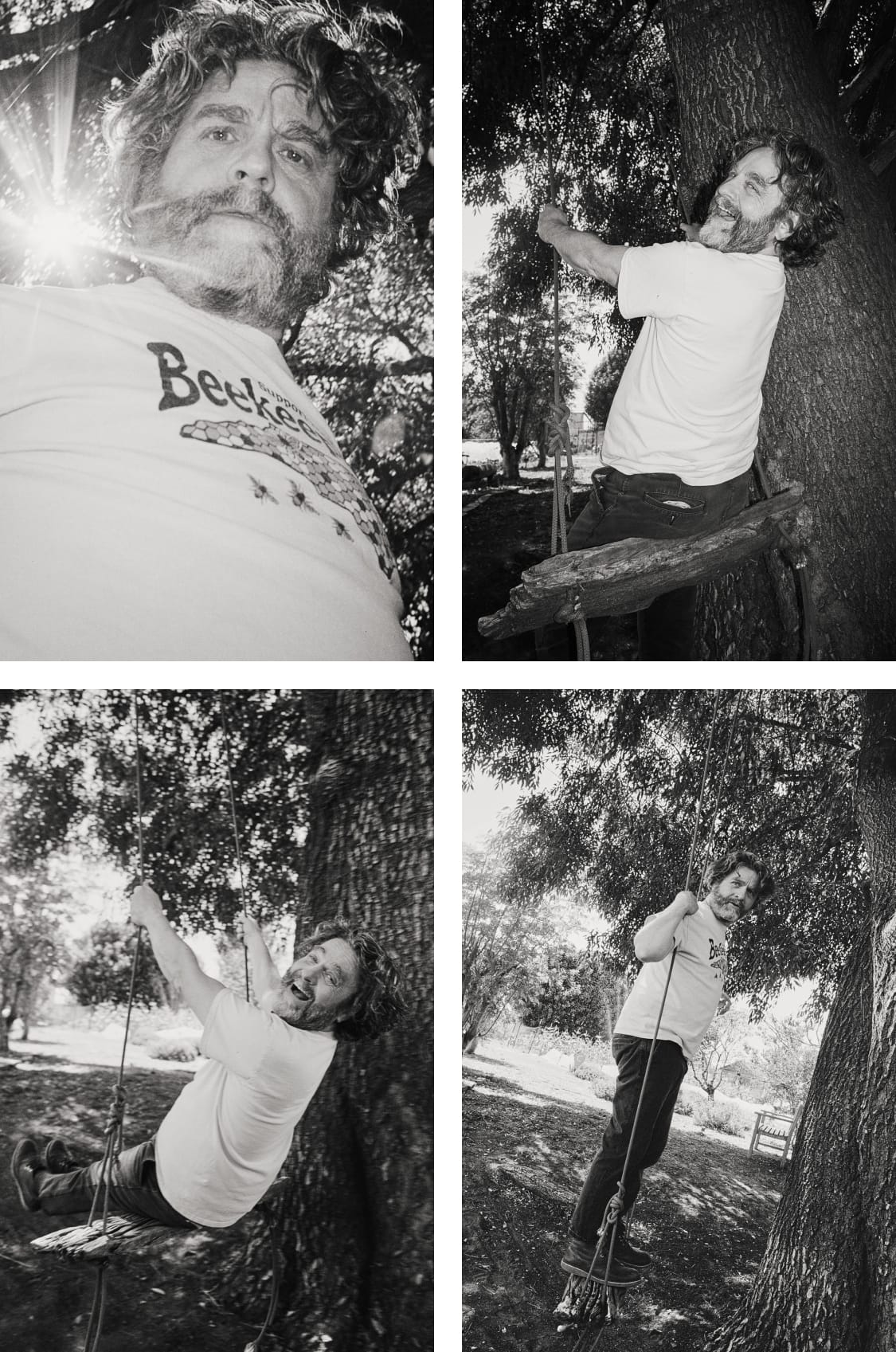
“When I do Between Two Ferns, that is not me, Galifianakis says. “I mean, it’s a part of me, I guess… but in real life, I’m not that way!” Thank goodness. “From a comedian, the temptation is to try to make it as funny as possible, but I think that would not do the show service. I think the audience is serviced more with information and a little bit of comedy here and there. And that’s what we kind of came around to. I wanted it to be more informative and be more sincere. We try to be as real as possible.”
The show’s tone is mostly light, but we also get earnest speeches and serious conversations. More than once Galifianakis explicitly confronts the reality of the climate crisis and the risks it poses to our food supplies. The recurring catchphrase ‘The future is agrarian’ can be taken as an aspiration, or as a warning.
“I’m trying to be honest in the show, with levity. Because levity is the way to balance that out. And it’s tricky sometimes because you don’t want to bum people out, and then… here comes a joke! But that is the show, somewhat. It’s gallows humor, in a way, to deal with it.
“I just wish we all had more green thumbs, because we come from green thumbs. You know, our grandparents and their parents and their parents had to grow their food. We’ve lost that tradition and it makes us more unhealthy. I want the next generation to be much better at this stuff than my generation.”
Part of the rationale for featuring kids in the show is to prompt the adults to reflect on the world we’re leaving them. Does he expect kids to watch the show too? “Honestly, I hope a lot of kids don’t watch it – I wish they would just go in the garden!” he says. “We’ve had enough screen time. Let your parents watch it and teach you.”
Always learning
The 2020 documentary Kiss the Ground, which warned that the world may only have 60 harvests left if we don’t change our ways, made an impact on Galafianakis. “I think the direction where humans are going is kind of the wrong direction,” he says. “We need to take care of this planet first. We have dustbowled a lot of the world. And we can bring it back, but we have to green it up.
“We need to lift up some concrete! The science of it is so simple, it’s frustrating. It’s beneficial for everyone, and it should not be political. Nature is not political to me. A garden shouldn’t be political.
“I don’t think the governments are going to do it. So I think we as citizens are going to have to take it on ourselves. I mean, there’s real potential in a movement – not from this gardening show, I’m not suggesting that at all – but a real movement in greening it up. There’s money to be made, there’s joy in this… I mean, think about the blight you see near airports or industrial parts of cities and all the concrete. If you could put trees there and gardens, you would see birds and bees return. You would see more of an Eden. Man has taken over the Earth and it’s time to rethink that. There’s my big speech.”
He acknowledges that he’s a hypocrite when it comes to food (“I love junk food, are you kidding me?”) but he’s alarmed at how accessible the unhealthy options are, especially in the US, compared to fresh or homegrown produce. Frequently in the show, we see him humbled by his own lack of knowledge. In the first episode, an apple farmer explains how the trees propagate, saying, “You probably remember that from biology in grade nine.” “I… probably do, yeah,” Galifianakis replies, avoiding eye contact.
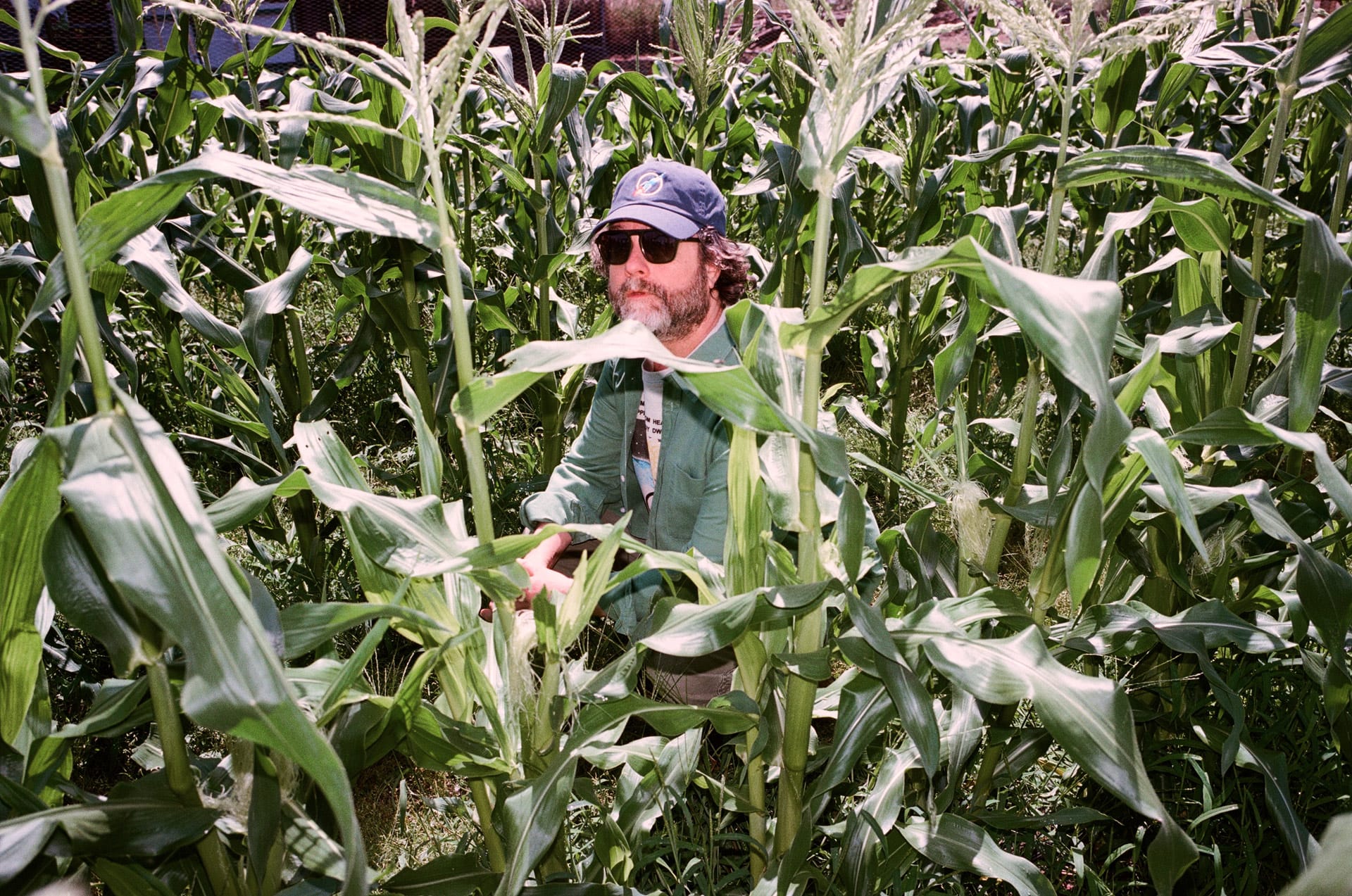
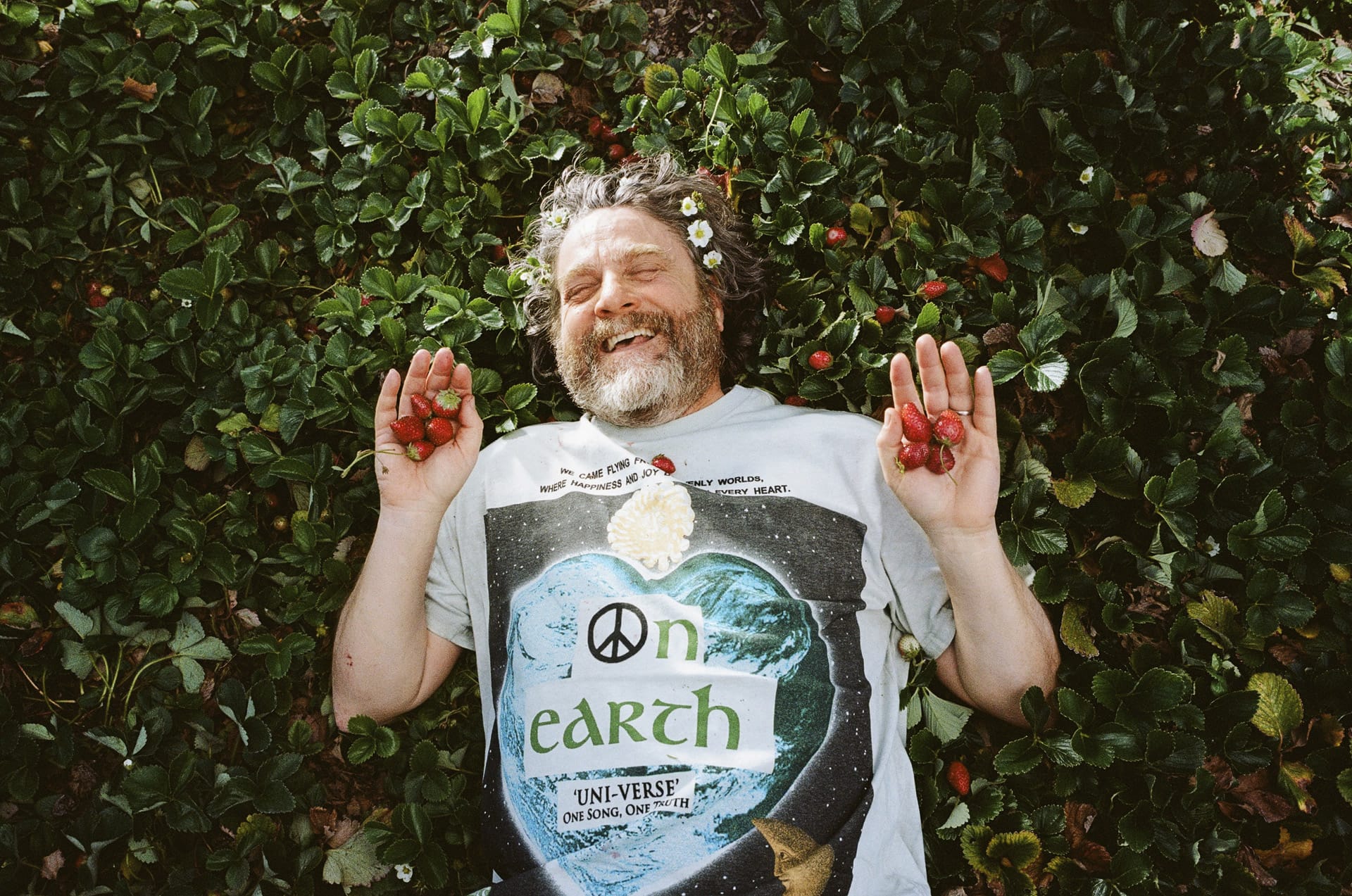
These learning moments are authentic, he says. “My amazement of learning all that stuff is hopefully showing and shining through. Every gardener is always learning. You can’t grow everything. Everybody has their own tricks, you know, what works for their soil, what works for their climate… So everybody has a story about their garden.”
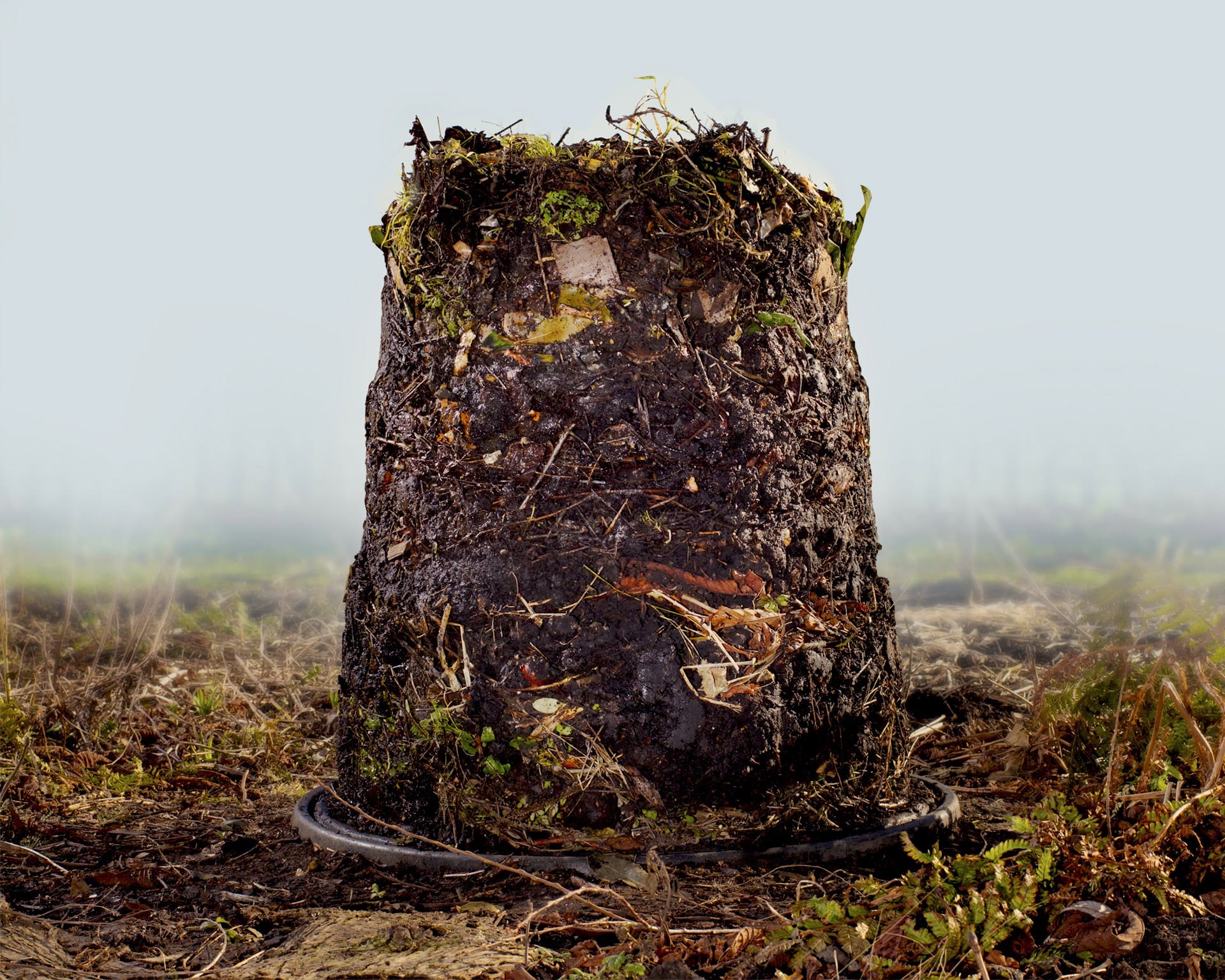
For Galifianakis, the most valuable learning experience the show gave him was the chance to raise his compost game, “to be able to talk to somebody that really knew about compost… and to show her my compost, and for her to give it a good grade. That’s the most important thing for people starting out, is that if you can start collecting your kitchen scraps… you can make your own really great compost. And you’d be amazed what you can do with it.”
Ten feet by four
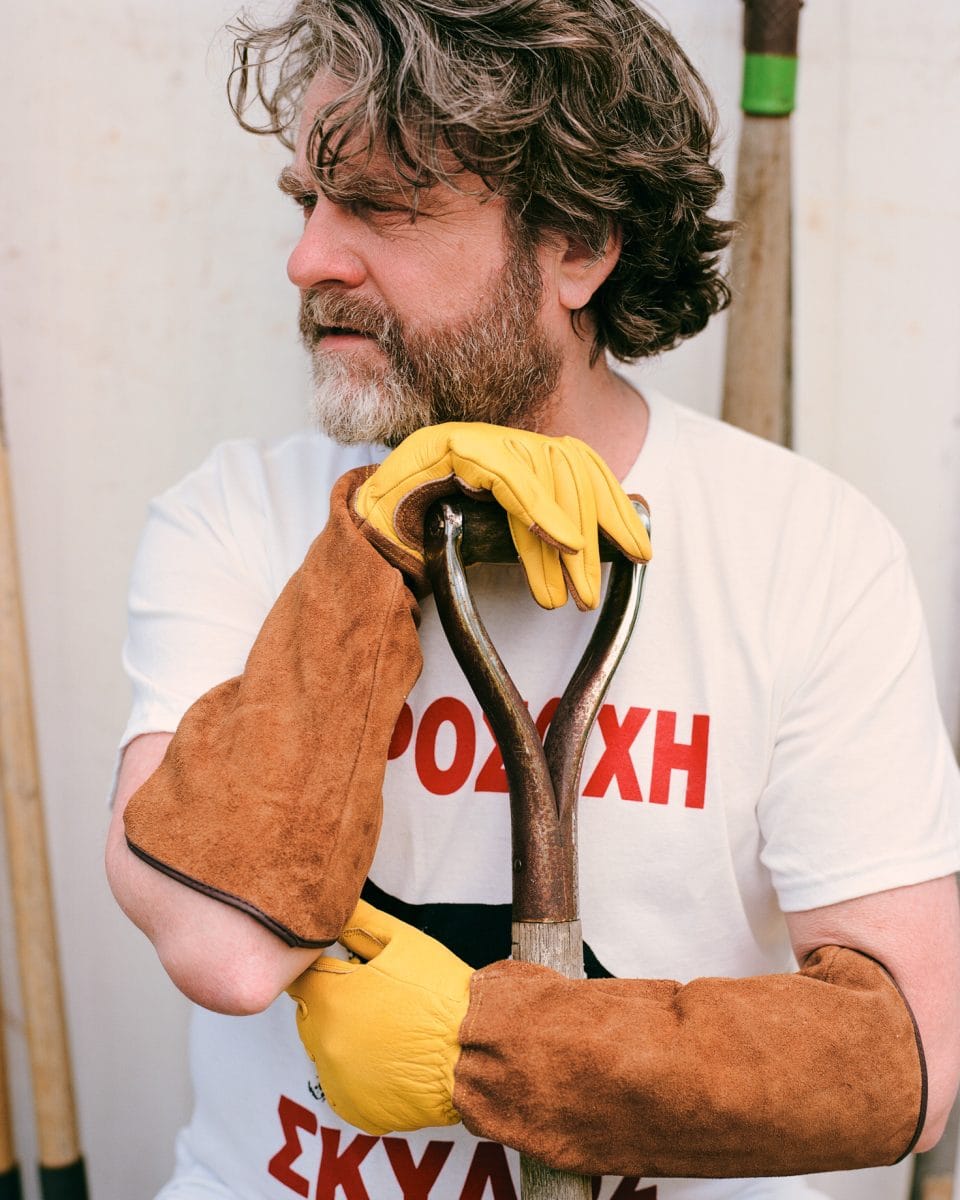
Galifianakis’ personal gardening journey began with peanuts. He planted some and to his delight, it grew. When he moved to LA he took inspiration from Ron Finley, the city gardener who campaigned for residents to be allowed to grow food in patches of land outside their homes.
“My patch was maybe ten by four feet. So I removed the dirt, I put a fence up – not to keep people out of it, I wanted people to go in it, it was just so that the grapes would grow on it. And I grew ghost peppers. It wasn’t a very wonderful garden, but it had raspberries, you know, and people would eat from it. Then I got space because I moved rurally, and then Covid happened, and then my gardening really became more of a life hobby thing… I want to just know more and more and more.”
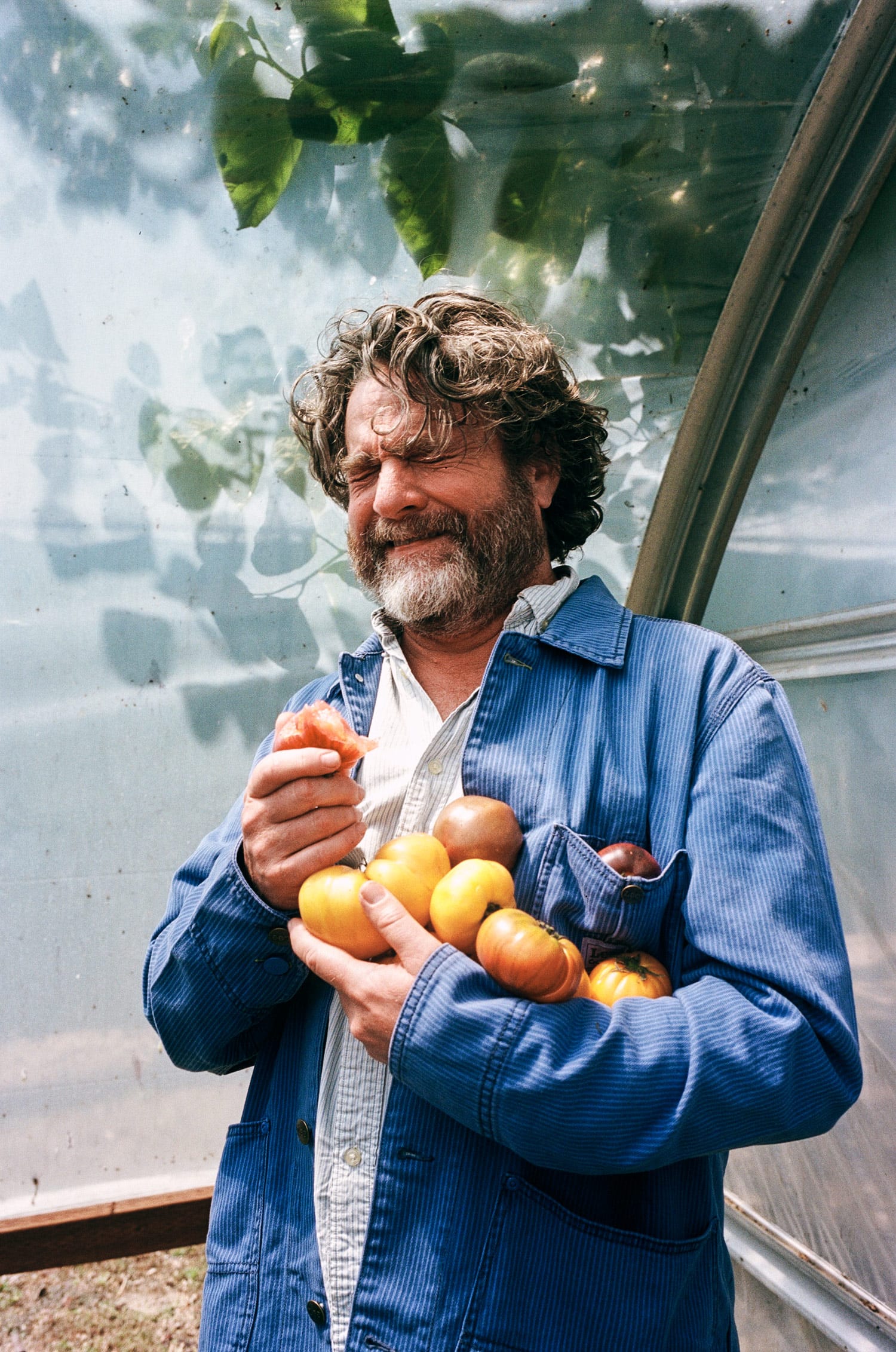
What score would he give his gardening skills out of ten? “I was at a three before all this, but now I’m at a six. I’ve learned a lot over the last few years.”
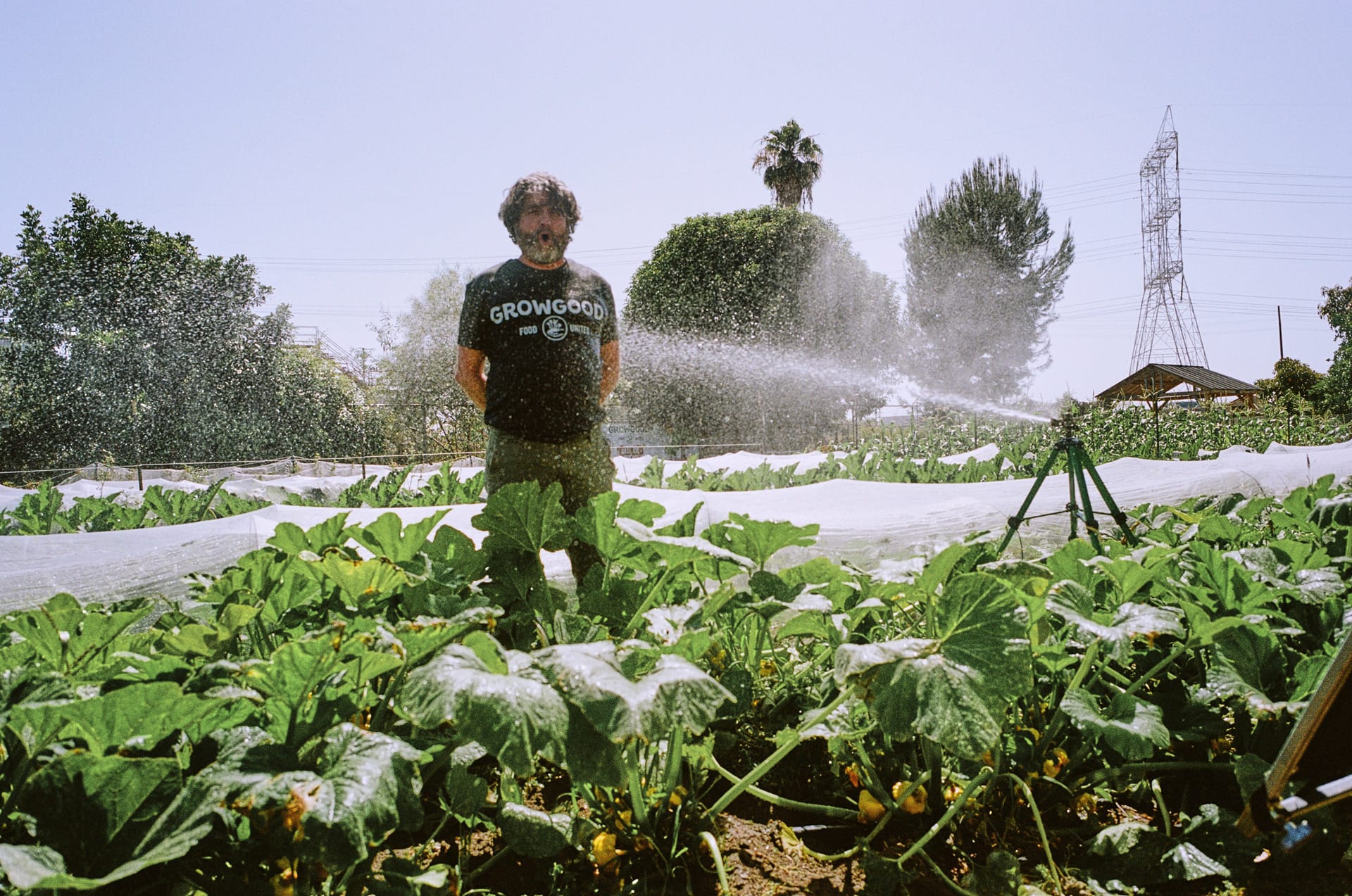
His current garden at his home in British Columbia – not far from where the series was shot – is not impressive, he insists. Not yet, anyway. “I mean, if people saw my garden now, they would think, that’s pathetic. But I’m just starting! It’s budding – let’s just say that it’s budding right now. I’m putting perennials up, I just planted a bunch of asparagus, I put hardy kiwi, I will put a bunch of corn, I have blueberries, and I will eventually have hopefully around 100 to 200 pumpkins. That’s the crop I’m going to try to go for this year.”
The more he talks about it, the more his six-out-of-ten self assessment sounds like excess modesty. “I’ve really concentrated on making my own fertilizer and composting,” he says. “I make my own lime, I collect oyster shells from the ocean, and I burn them, crisp them, to break them up. And then I put them in an old blender. I’m a big believer in seaweed and manure… That’s a big quote you can put in the thing.”
Galifianakis’ enthusiasm for growing food is matched by his distaste for technology – or for where technology seems to be taking us. It’s something you could guess about him from watching his current AMC show The Audacity, where he plays an unhinged tech CEO; or Ron’s Gone Wrong, an animated satire of social media, where he voiced a cute, malfunctioning robot.
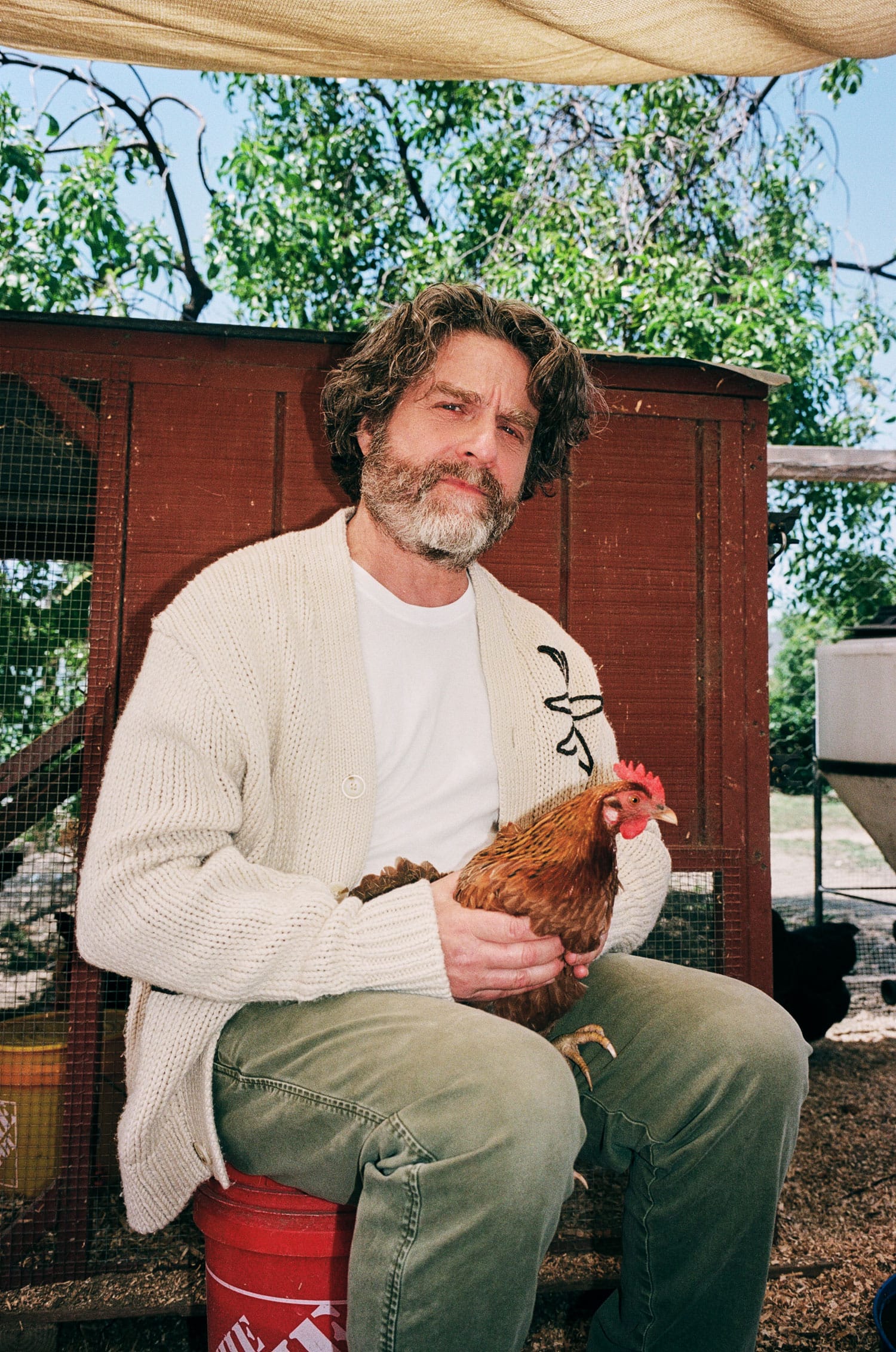
In a world of doomscrolling and AI slop, a garden “can be a lifesaver”, he tells his audience in the new show. It would be an overstatement, he says, to claim it had been a lifesaver for him, but “it has enhanced my life, it has given great beauty and perspective”.
More people than you think
So if the future is, as Galafianakis insists, agrarian, what’s it going to look like? He doesn’t have an answer. “Is there a possibility of thinking of the future as an Eden and not a technocratic… shithole? I don’t know. But that’s not my job,” he says. “My job, I think, is to entertain and get a conversation going. You just got to get a thing going! You’ve got to get people interested first, and then come together with all these hard, hard questions. I do hope the show continues for another season. I want to go to the American South next time – that’s where I’m from. The characters of the South are just so wonderful and there’s a huge gardening tradition and canning tradition.
“Listen, if this gets a really great conversation going about gardening and greening up spaces… man, that would be a fantasy. My ego is not big enough for that kind of thought. I’m gonna go with, ‘Oh well, this will probably get canceled, it was a nice little run.’ But I do think there are quiet people that agree with this – and a lot more than you think. I think there might be an underground swelling that might happen. I hope.”
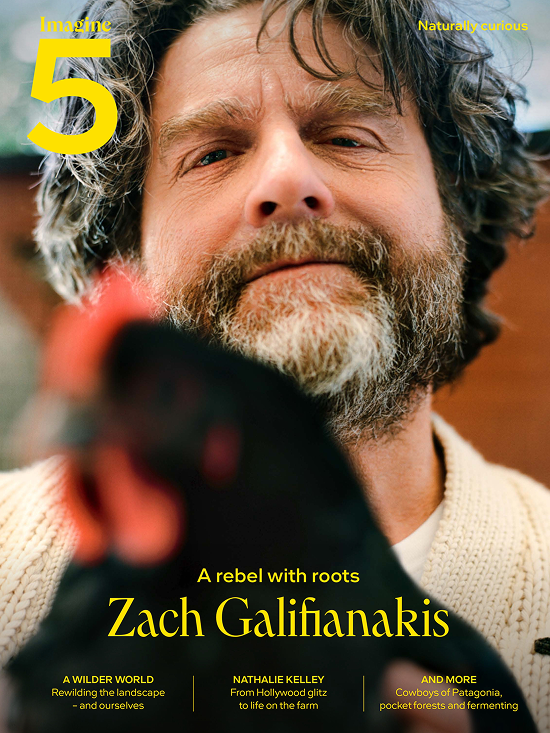
Focused on the wonderful world of rewilding, Volume 5 sees us get into the weeds – and go beyond the ferns – with our green-thumbed cover star Zach Galifianakis, walk with wolves in Slovenia, create a wilder world in Denmark, find meaning in fashion, and much, much more.
STREAMING NOW