What if the future of food wasn’t growing in fields, but waiting wild on sea-facing cliffs, sandy dunes or the deepest forests? Welcome on a mission to rediscover the wild edible plants that have always sustained us.
The plants we eat today were once wild. But over the ages they’ve been cultivated to a point where now, 90% of our calories comes from just 15 crops, plant conservationist Benedetta Gori explains. These large-scale monocultures are susceptible to disease and increasingly, climate change, because there isn’t the diversity of species required for resilience.
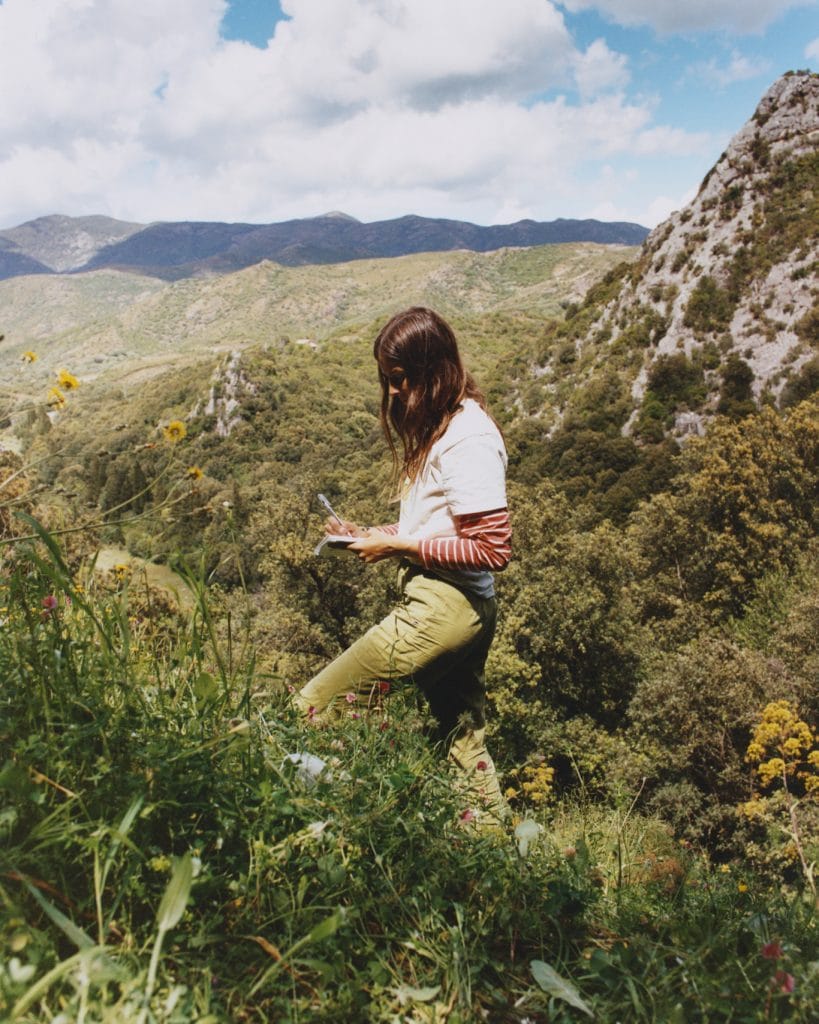
That’s why Benedetta Gori teamed up with photographer Rachele Daminelli and headed to the Mediterranean, to find the wild ancient plants we used to eat and to unearth their potential. In their joint project, Towards New Food Futures, they document 2,700 wild edible plants in the region, also zooming in on Sardinia. A biodiversity hotspot and ‘Blue Zone’, it’s one of the rare pockets of the world with an exceptionally high concentration of people living past the age of 100. A traditional lifestyle and diet are believed to be a large factor.
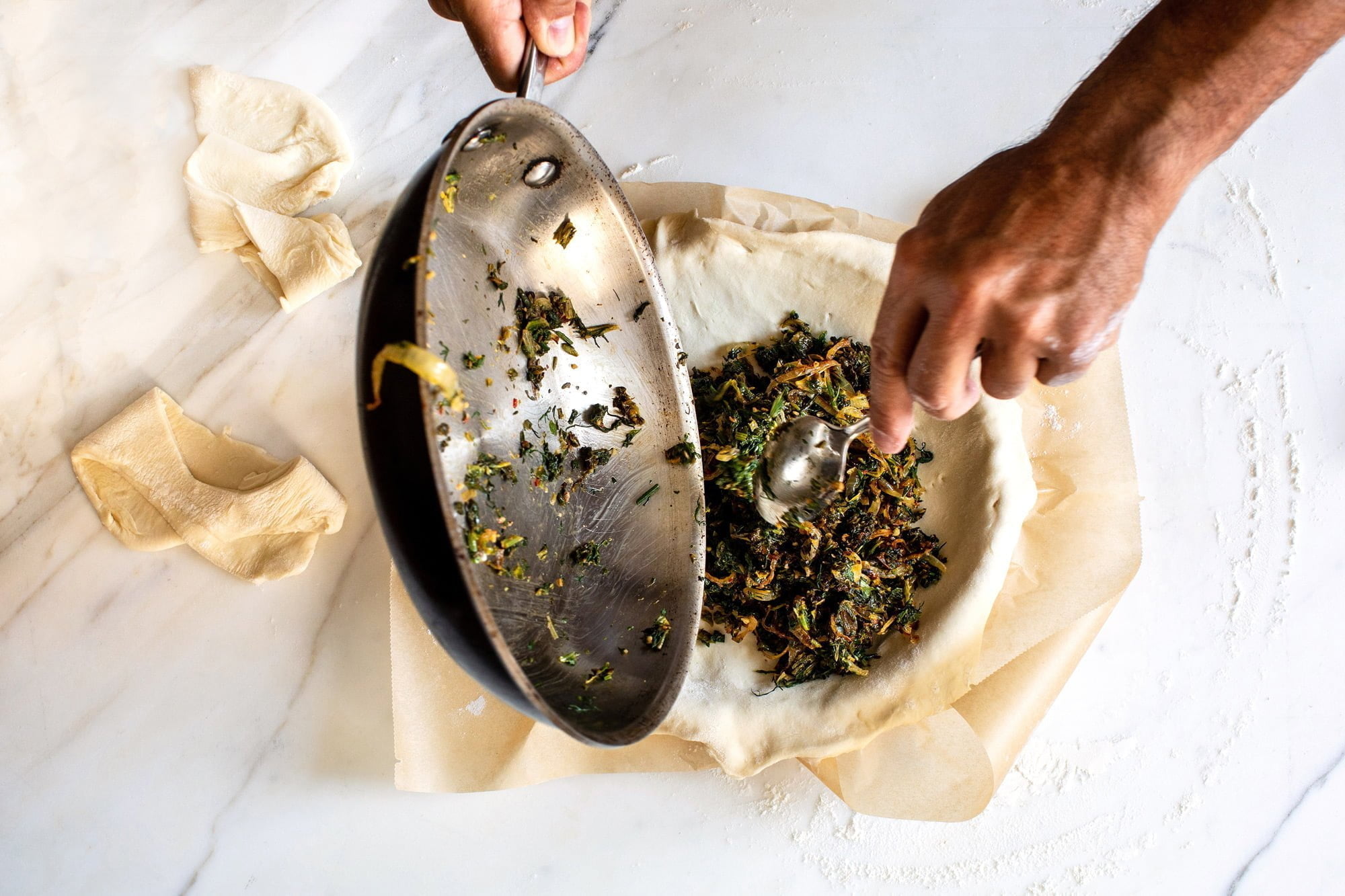
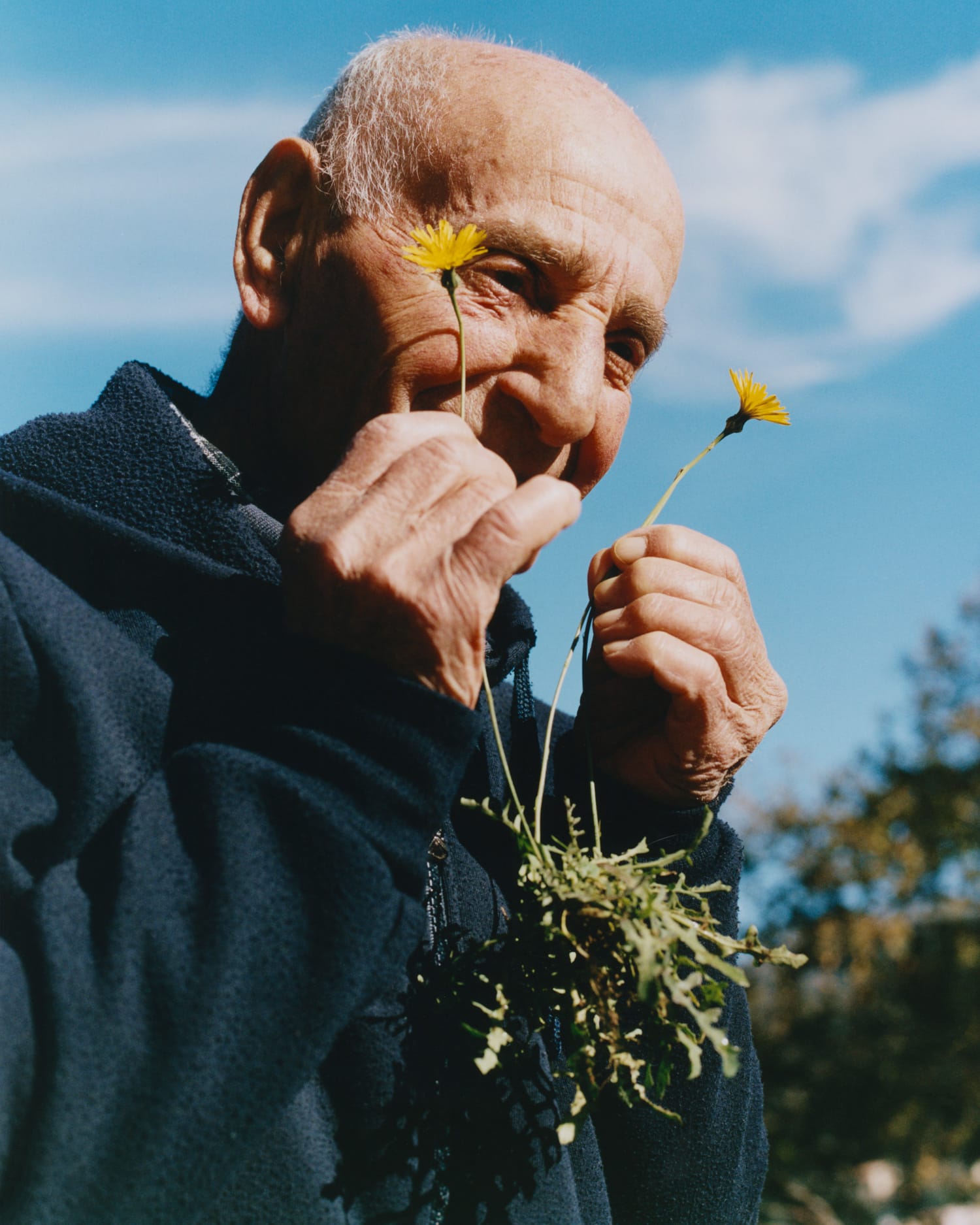
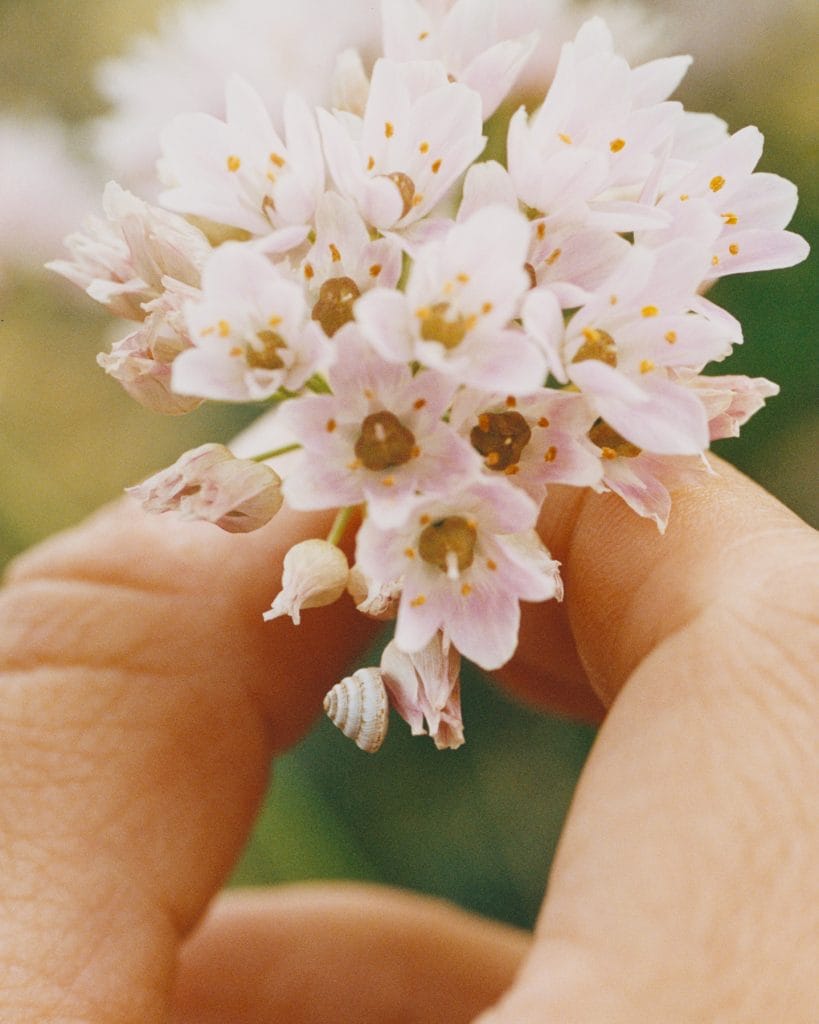
People here have always eaten the local plants and herbs naturally growing around them. And still do. Plants like wild leek, grape hyacinth and sow thistle. But the knowledge of these plants is disappearing. That’s why now is the time to collect, catalogue and recover this rich ecological heritage while we still can in the quest for more resilient food sources.
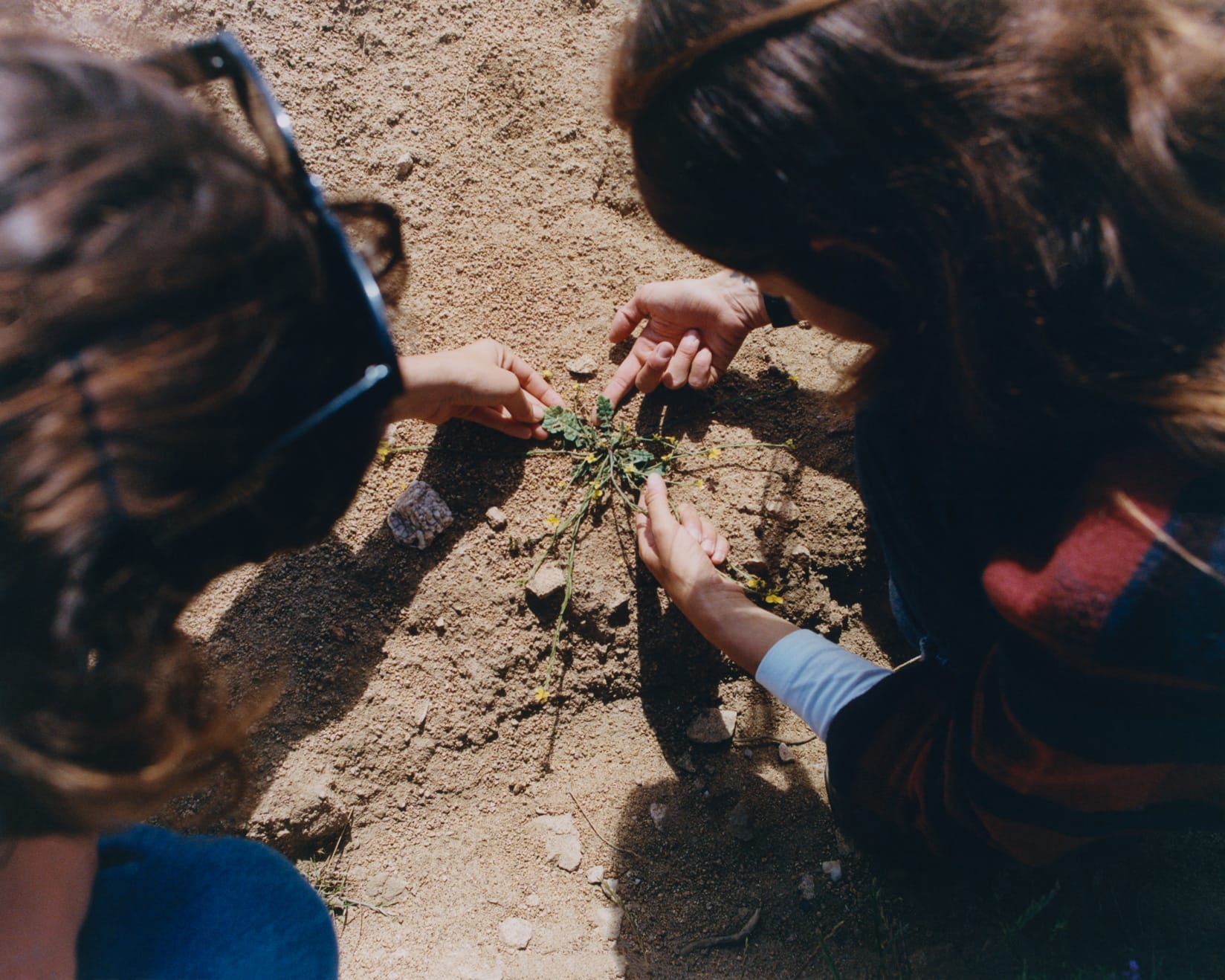
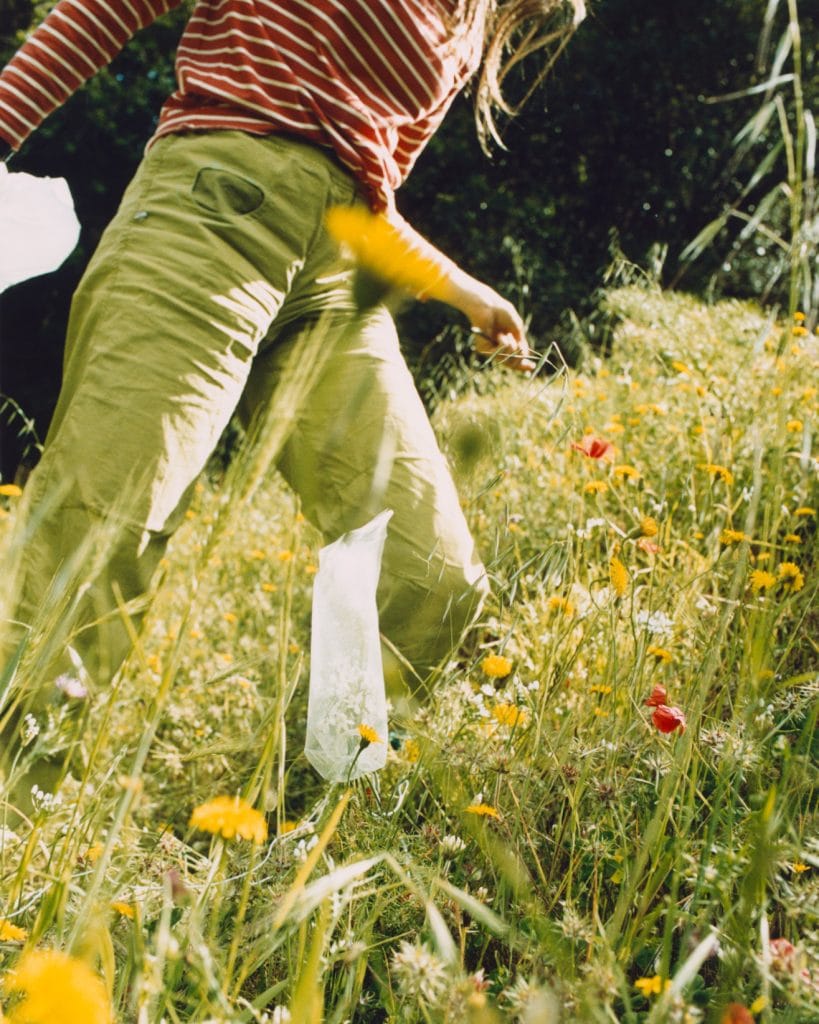
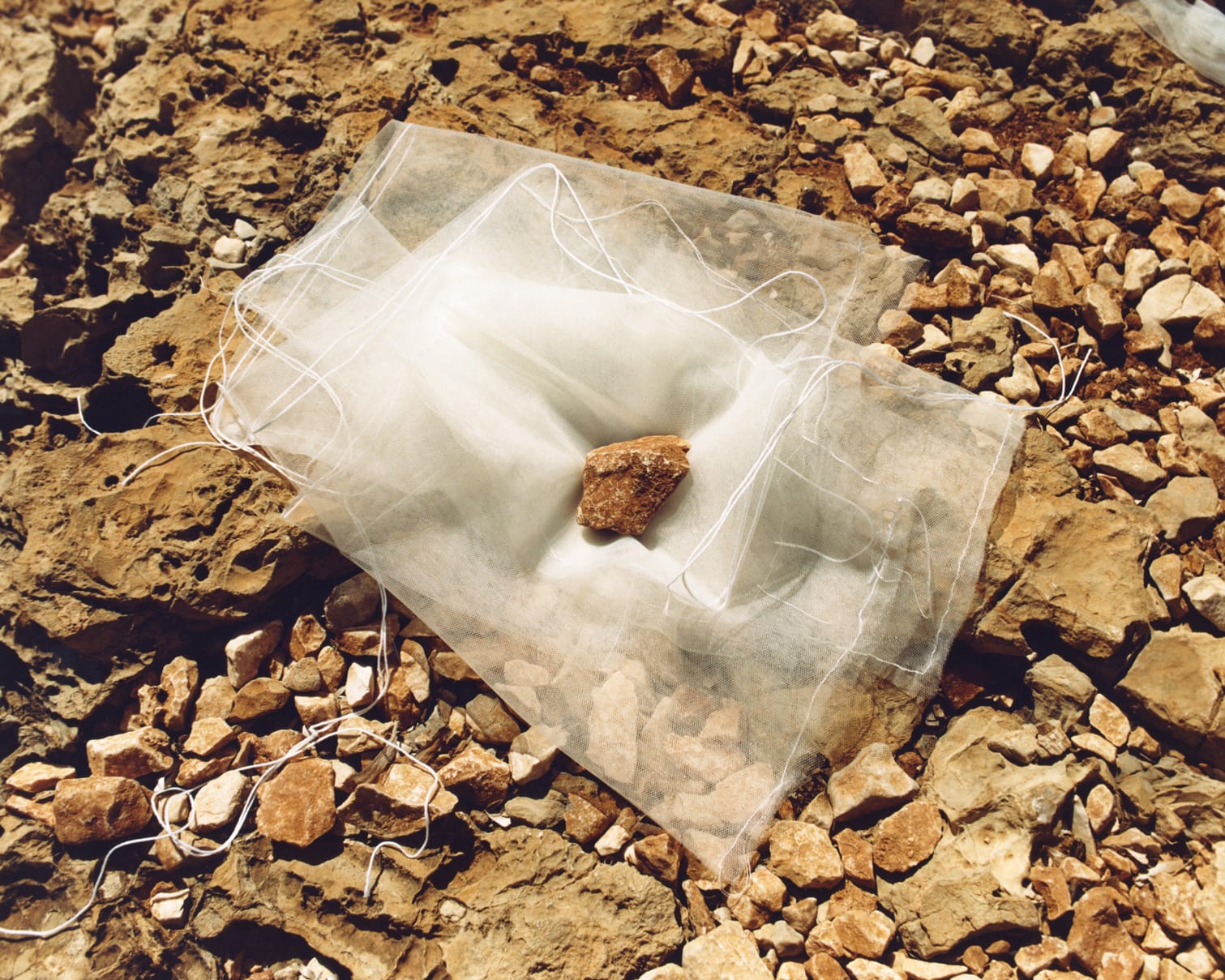
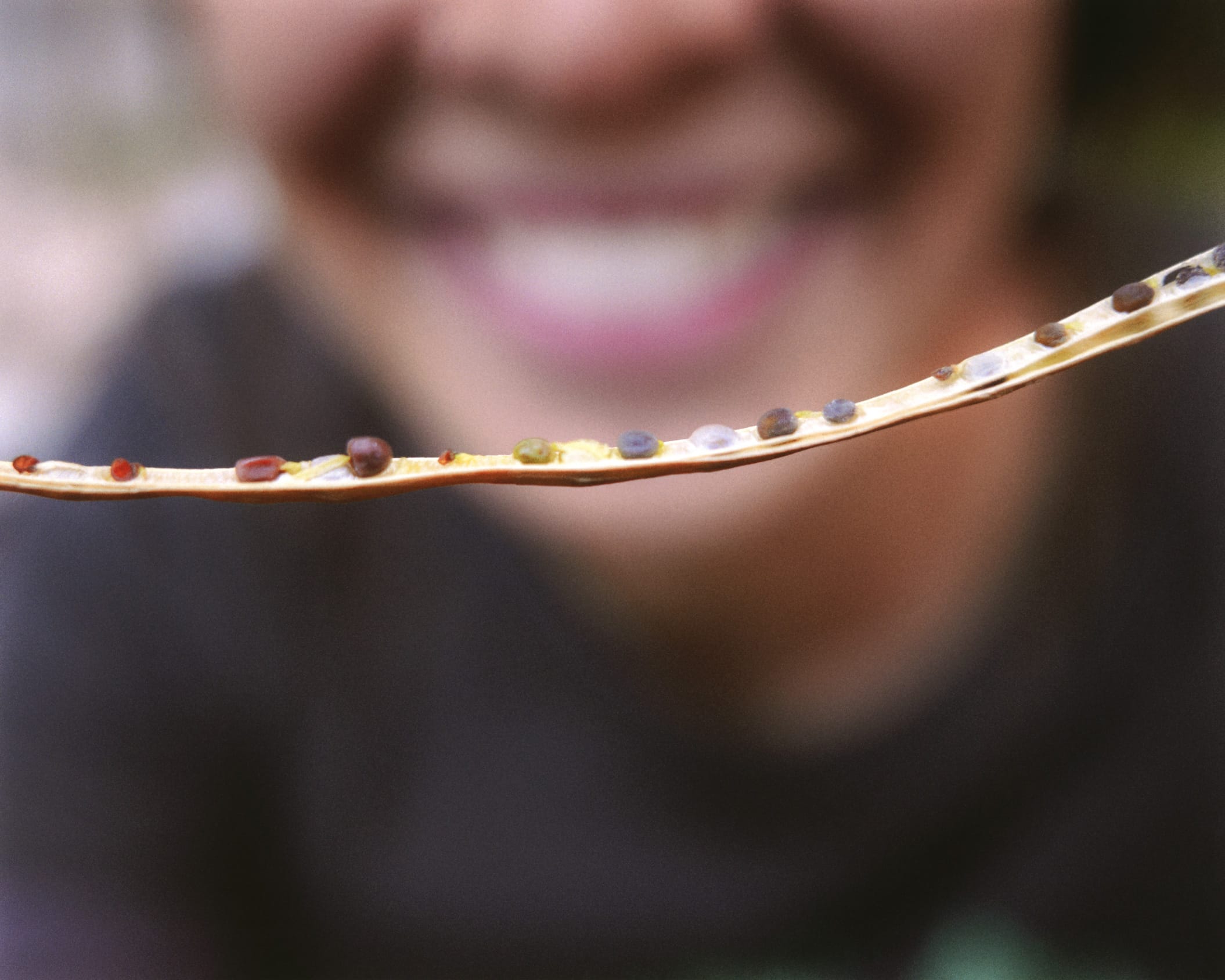
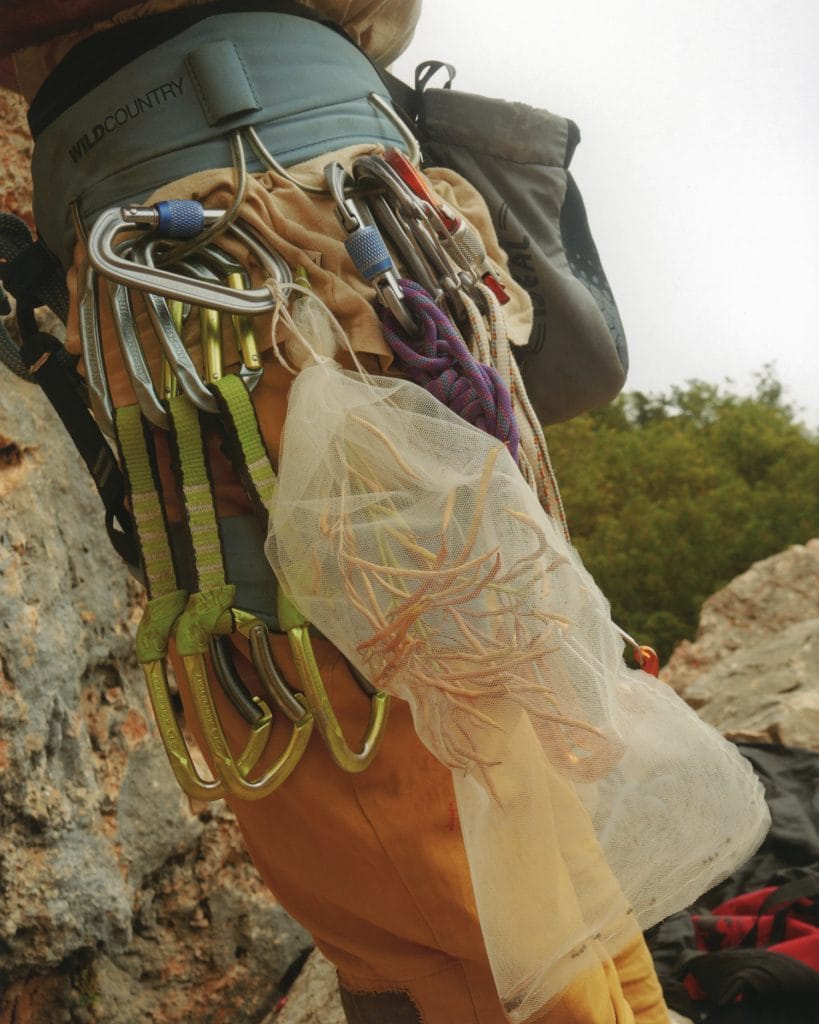
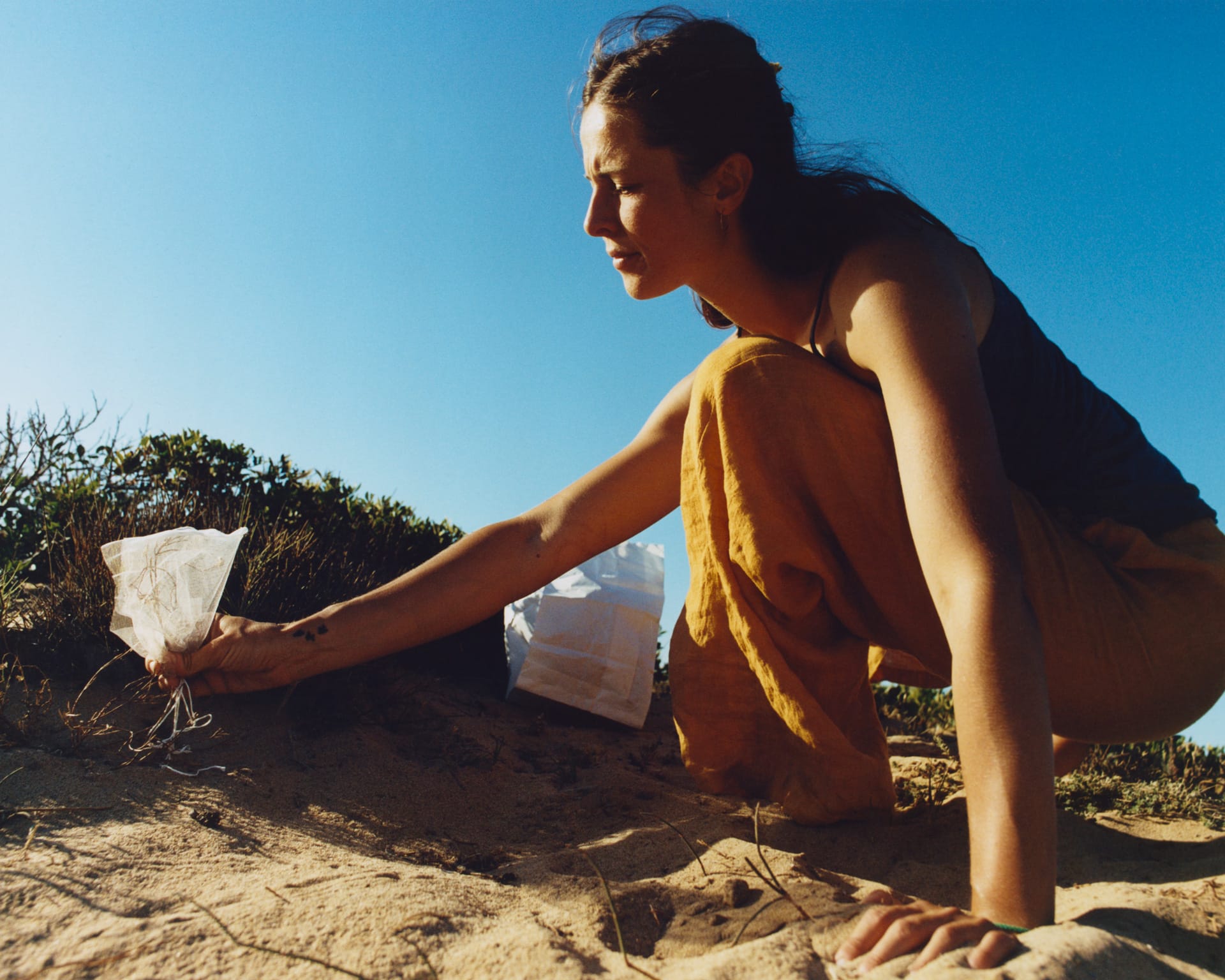
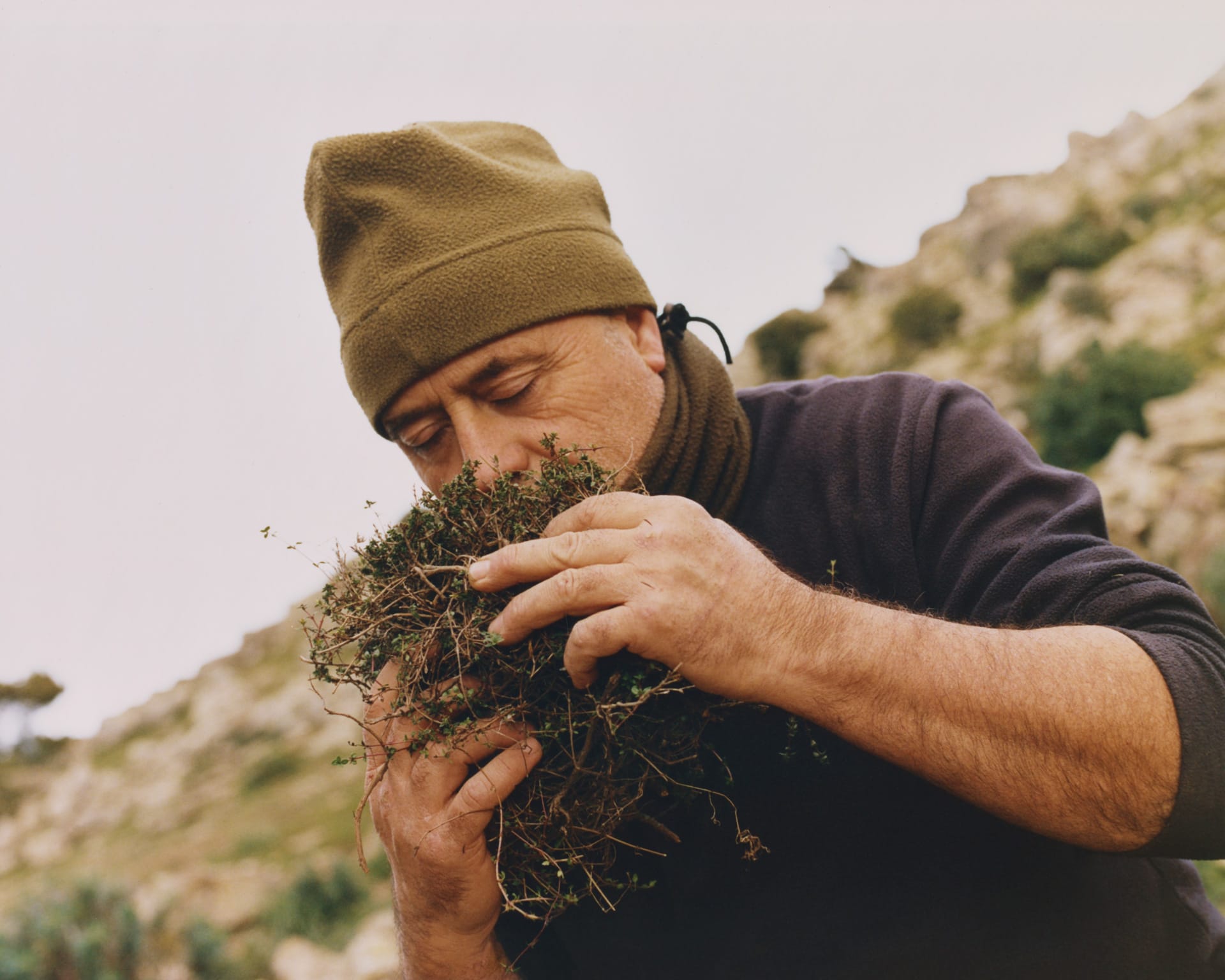
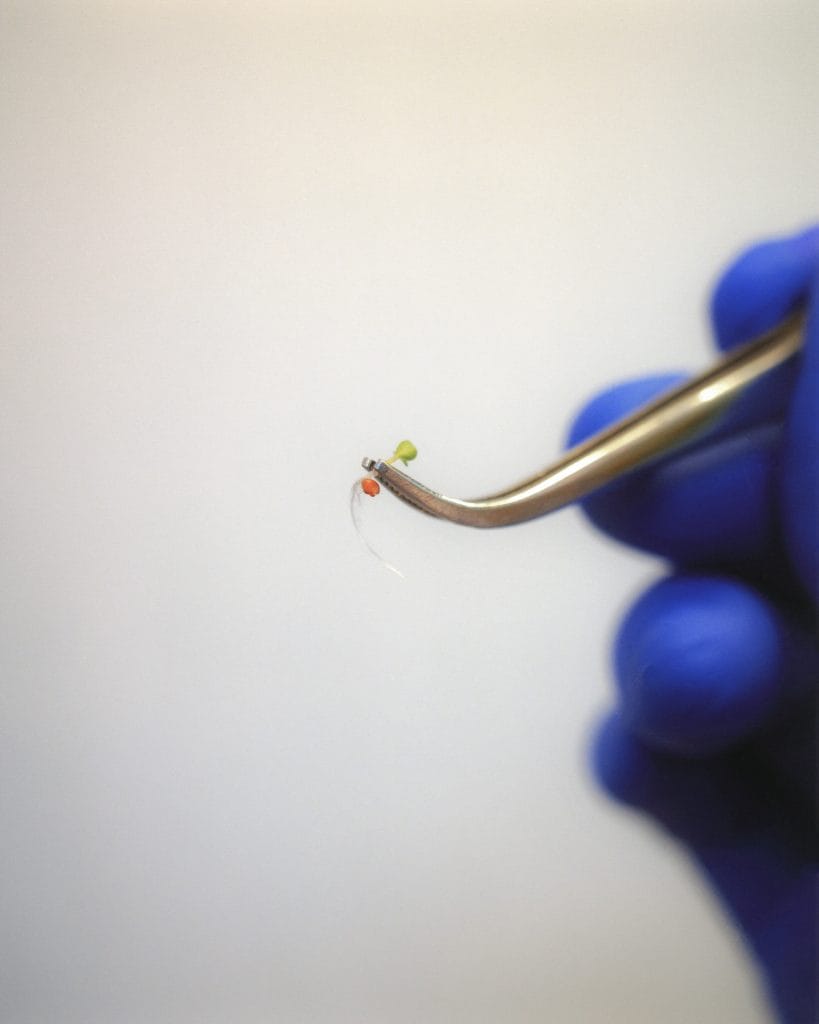
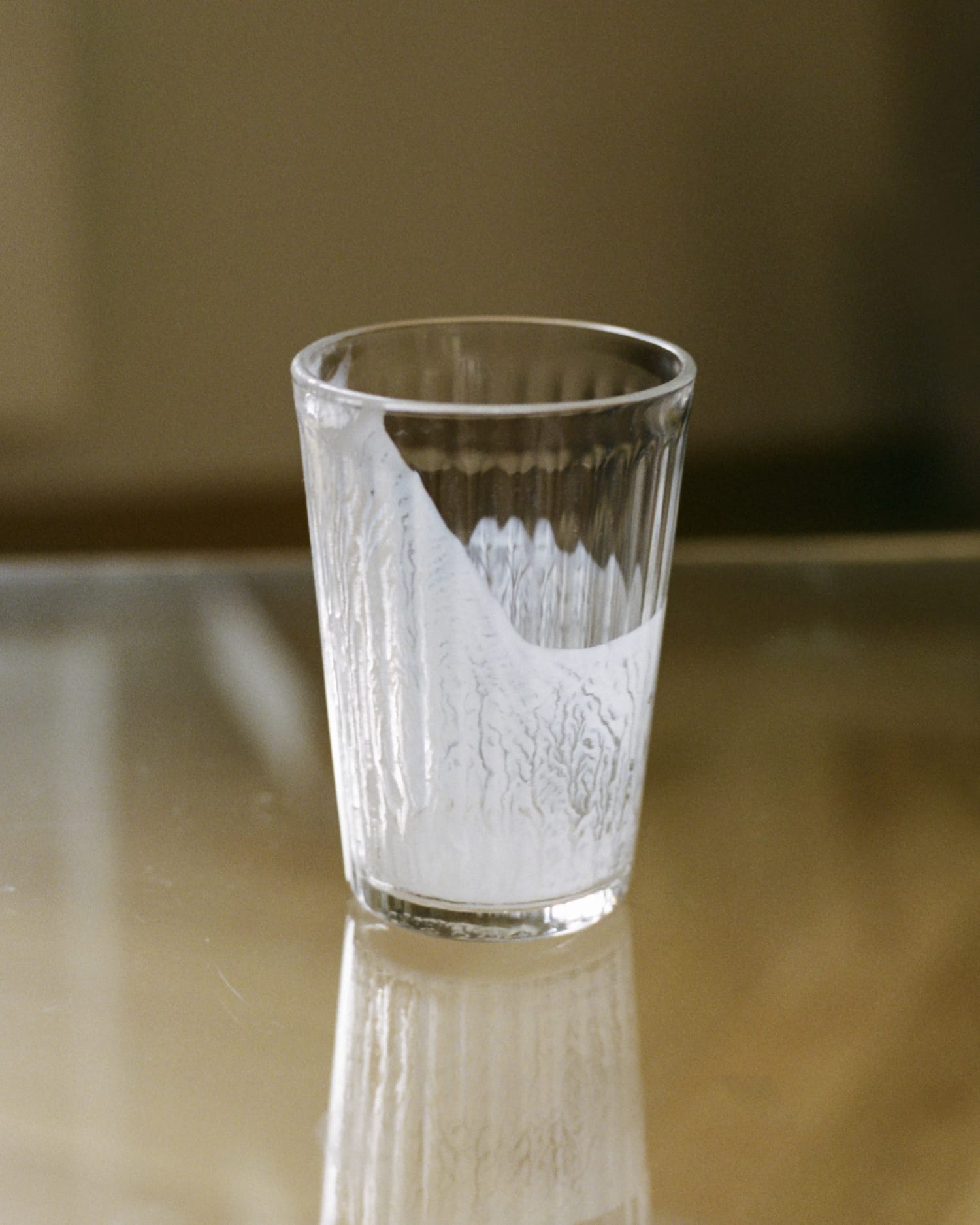
An important part of the project involved studying how these wild species germinate in different temperatures.
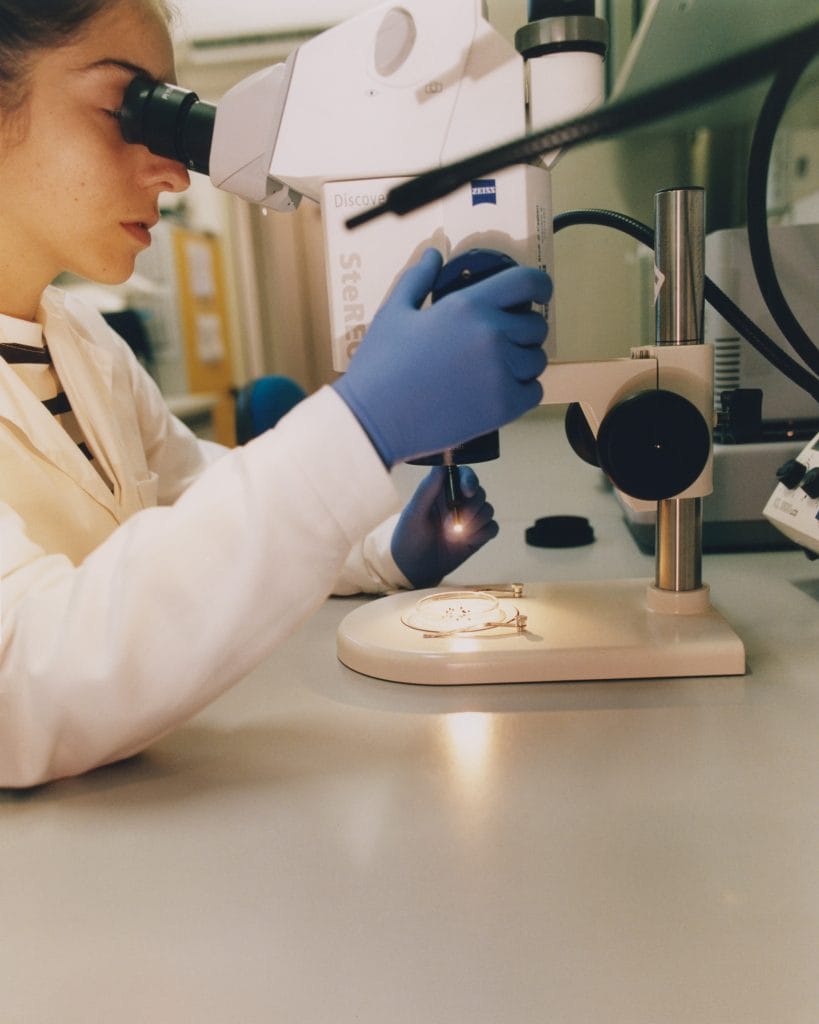
Researching these wild plants is a fundamental step in exploring their a climate-resilient food system for the future.
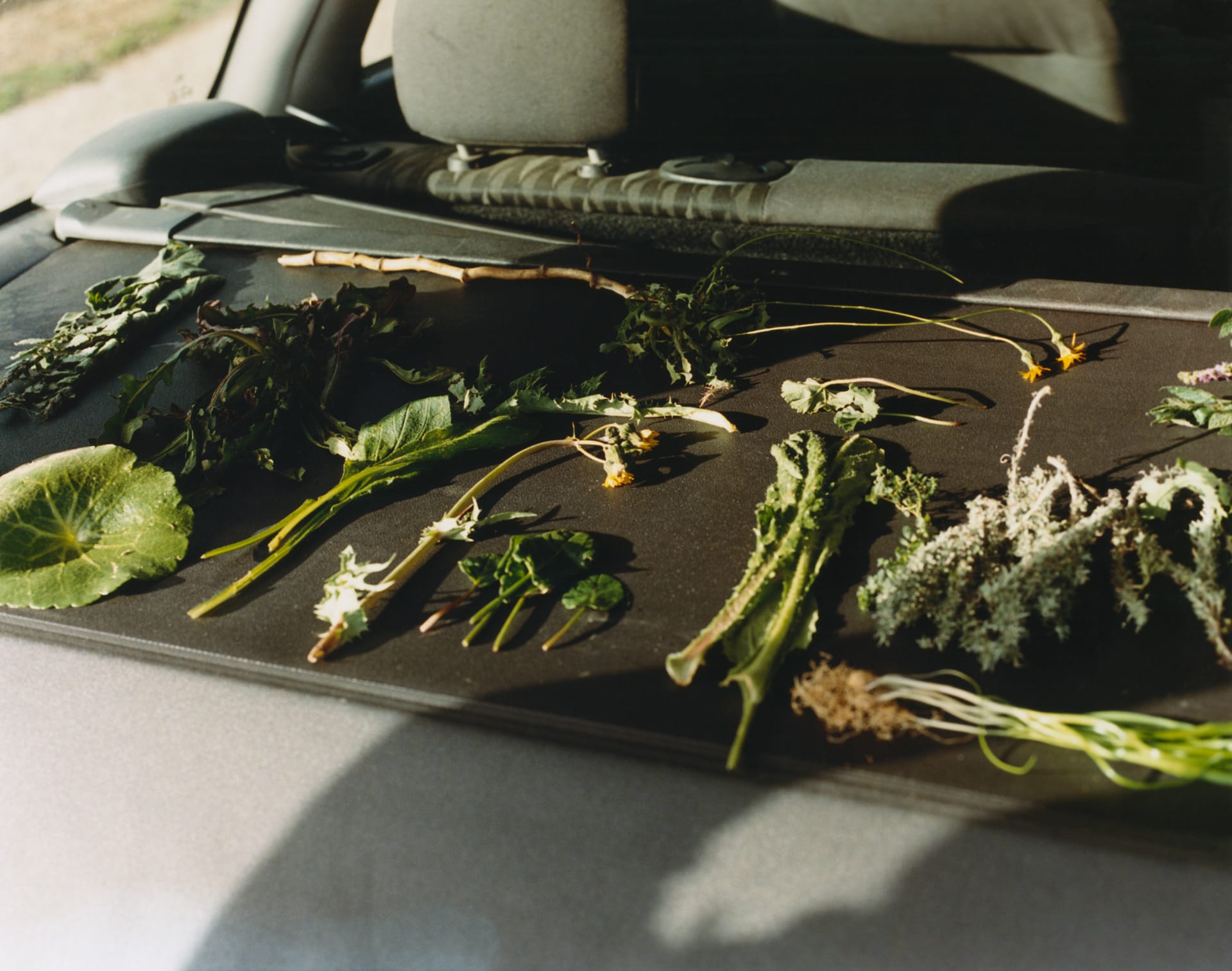
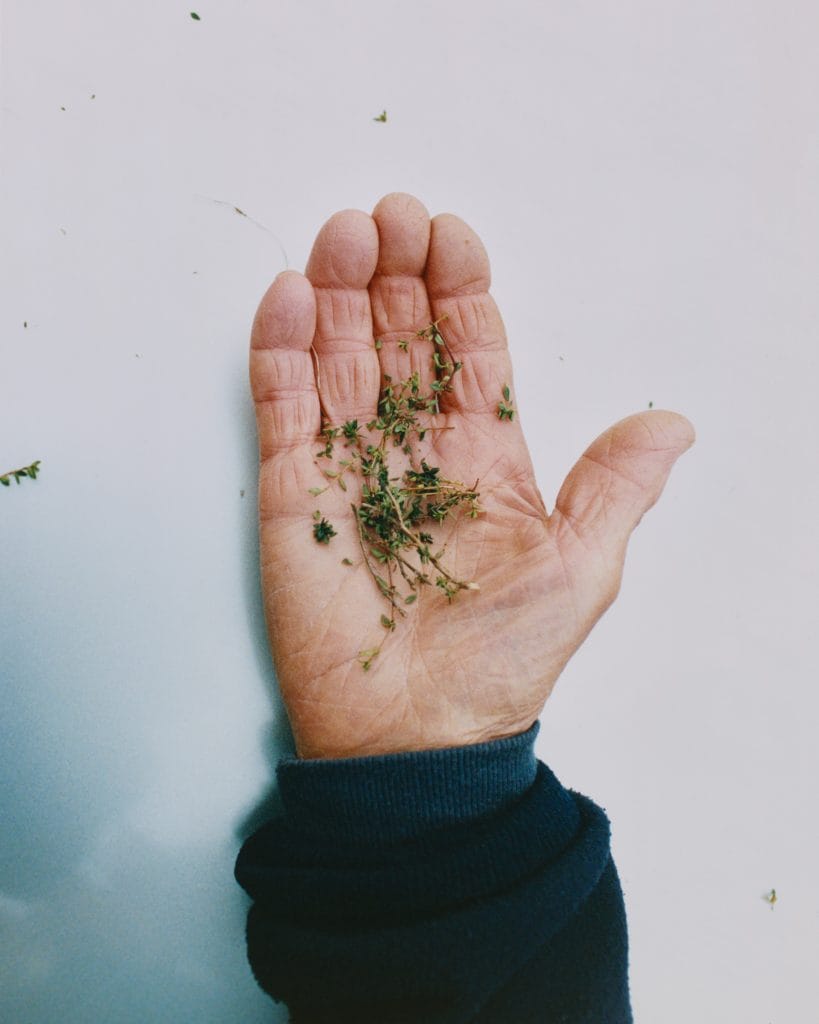
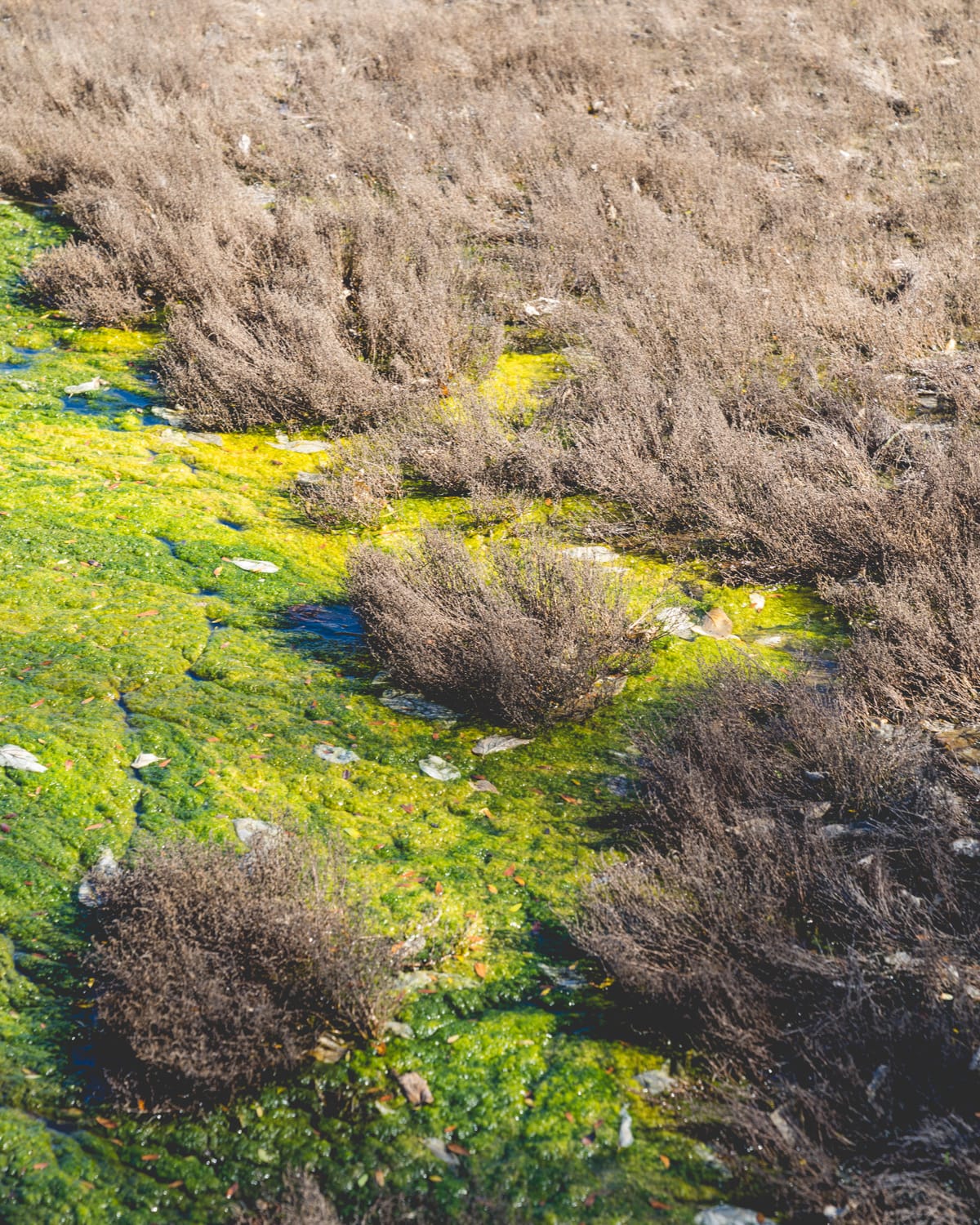
A few examples of the wild plants eaten locally. Some are common, some are more rare.
Focused on the wonderful world of rewilding, Volume 5 sees us get into the weeds – and go beyond the ferns – with our green-thumbed cover star Zach Galifianakis, walk with wolves in Slovenia, create a wilder world in Denmark, find meaning in fashion, and much, much more.
The planet on your plate