Photographer Cristina Mittermeier, known for award-winning underwater images and her work with Indigenous coastal communities, talks about hope, humanity’s moral compass and the fragile engine of our planet.
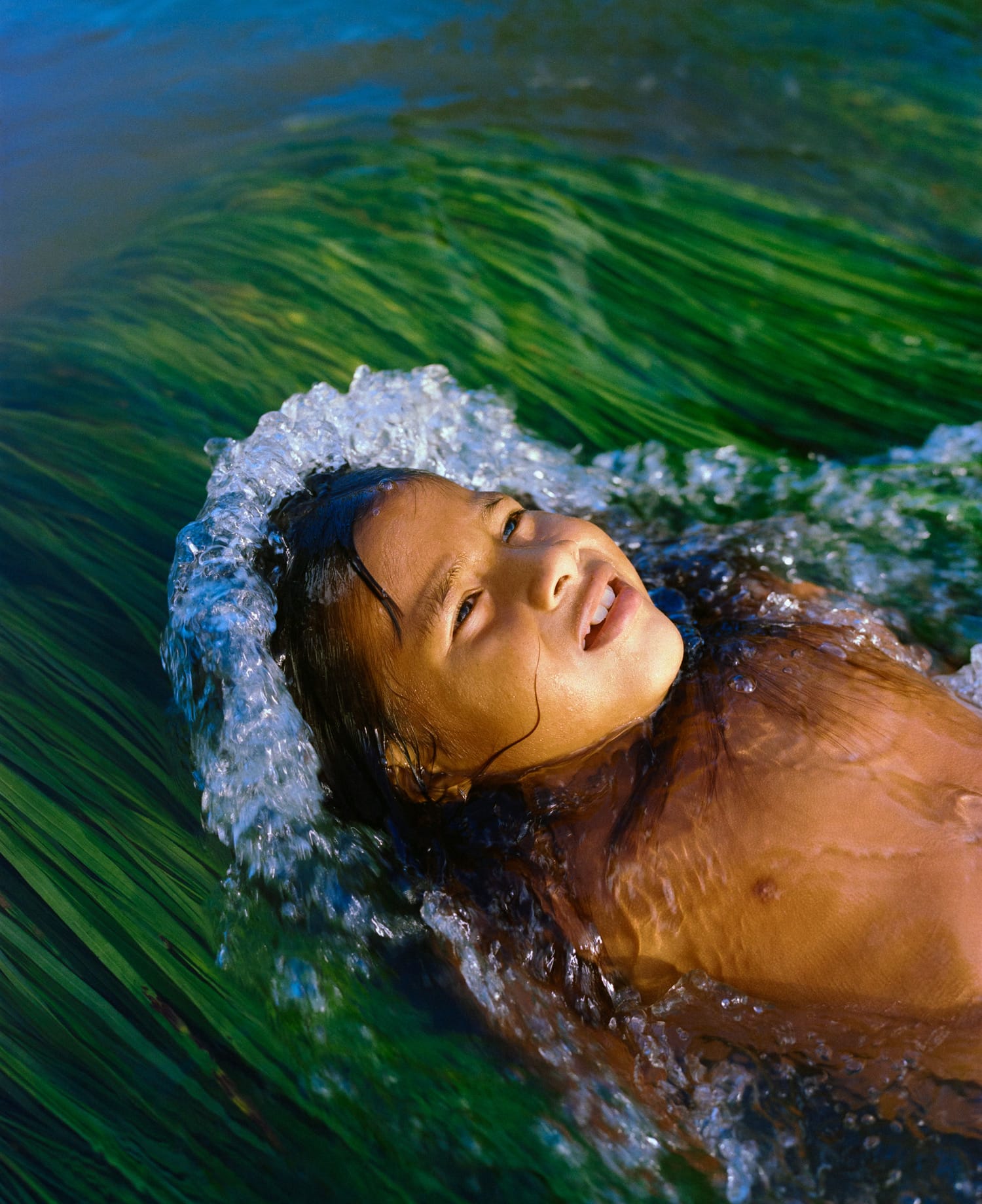
When you’ve spent 30 years diving into the ocean, you stop thinking of it as blue water. You start thinking of it as life support.
For Cristina Mittermeier, the most important parts of the sea are not whales, sharks or the dramatic coral reefs that fill coffee-table books. They’re the microscopic organisms drifting beneath the surface: plankton. “They produce 50% of the oxygen we breathe,” she says. “And most of humanity has never given them a thought”.
Mittermeier is in Mexico City for the launch of her new exhibition at the influential Zona Maco art fair. She speaks softly, but with the steady conviction of someone who has seen the system from the inside. To her, the ocean is not scenery. It is the machinery that sustains us all. “We’re traveling on planet Earth all alone in the universe. This is our spaceship, and nature is the engine that keeps us alive. If we don’t protect it, it’s like allowing the engine to rot away”.
Nature and nurture
Mittermeier believes every child arrives on Earth already in love with it. “It’s our teachers and parents who have a choice. They can either foster and encourage that love or they can squash it”, she argues.
Raised between Mexico City and Cuernavaca, Cristina’s mother loved animals and allowed her curiosity to flourish. Her childhood was filled with books – Jacques Cousteau, pirate adventures, National Geographic magazines. Her interest in the natural world was nurtured. She was allowed to wonder.
“It’s like the oxygen tanks in our spaceship are malfunctioning. And we’re still arguing about the paint color”
That permission became her career. In the 1980s, she enrolled in marine biochemistry in Guaymas, at a time where Mexico was focused on marine exploitation – fisheries, aquaculture, productivity. The sea was seen as an economic solution. But instead of dolphins, she found microscopes.
“The first time I looked at plankton through a lens”, she remembers, “I realized life on Earth begins in something so small, so fragile”.
But that fragility is now under pressure. Ocean acidification has crossed planetary boundaries. Rising temperatures are shifting currents, bleaching reefs, destabilizing ecosystems from the base upward.
“It’s like the oxygen tanks in our spaceship are malfunctioning. And we’re still arguing about the paint color”.
Not just a photographer
Mittermeier bristles – gently – at being defined solely by her images. “Art is diplomacy. It’s a way into conversations”. That’s why she also helped to found the International League of Conservation Photographers (ILCP), formalizing a field that goes beyond aesthetic appreciation.
Conservation photography is not about cataloguing species. It’s about influencing systems. “My neighbor photographing flowers is a nature photographer,” she says. “Conservation photography has intention”. And that intention has taken her far beyond galleries.
Through her long-standing partnership with Rolex and its Perpetual Planet initiative, Mittermeier has found a platform that extends into corridors of power. Launched in 2019, the program supports explorers, scientists and conservationists working on some of the planet’s most urgent challenges, from polar ice research to ocean protection.
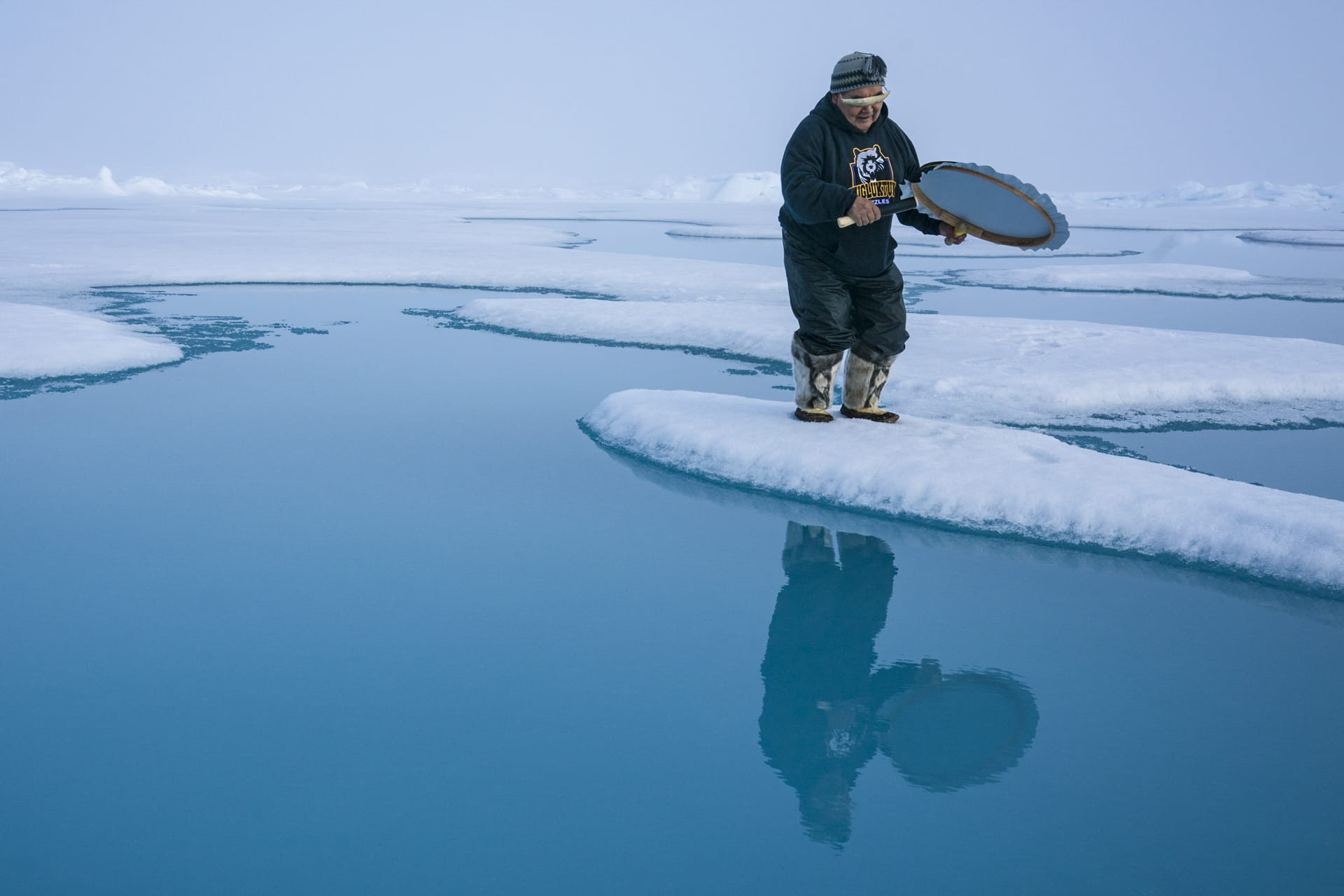
“It gives me a credible microphone. A big one”. And that microphone has carried her to places like the World Economic Forum in Davos, where she served as a cultural leader, projecting photographs of Arctic Indigenous communities onto the walls as presidents and CEOs walked past.
“I told them I was there on behalf of the eight billion who weren’t invited”. Did it make a difference? “You don’t stop showing up,” she replies. “You keep reminding”.
Her images were large. Unavoidable. A silent force. At one point, she recalls, US President Trump ascended the staircase while her photographs glowed behind him. Then, just as suddenly, the projections were switched off.
Power does not always like being watched. But Mittermeier is not naïve about that. “Leaders are not marine scientists. They don’t spend nights underwater watching coral bleach in real time. They don’t look at plankton through microscopes. They look at numbers. Growth charts. Forecasts”.
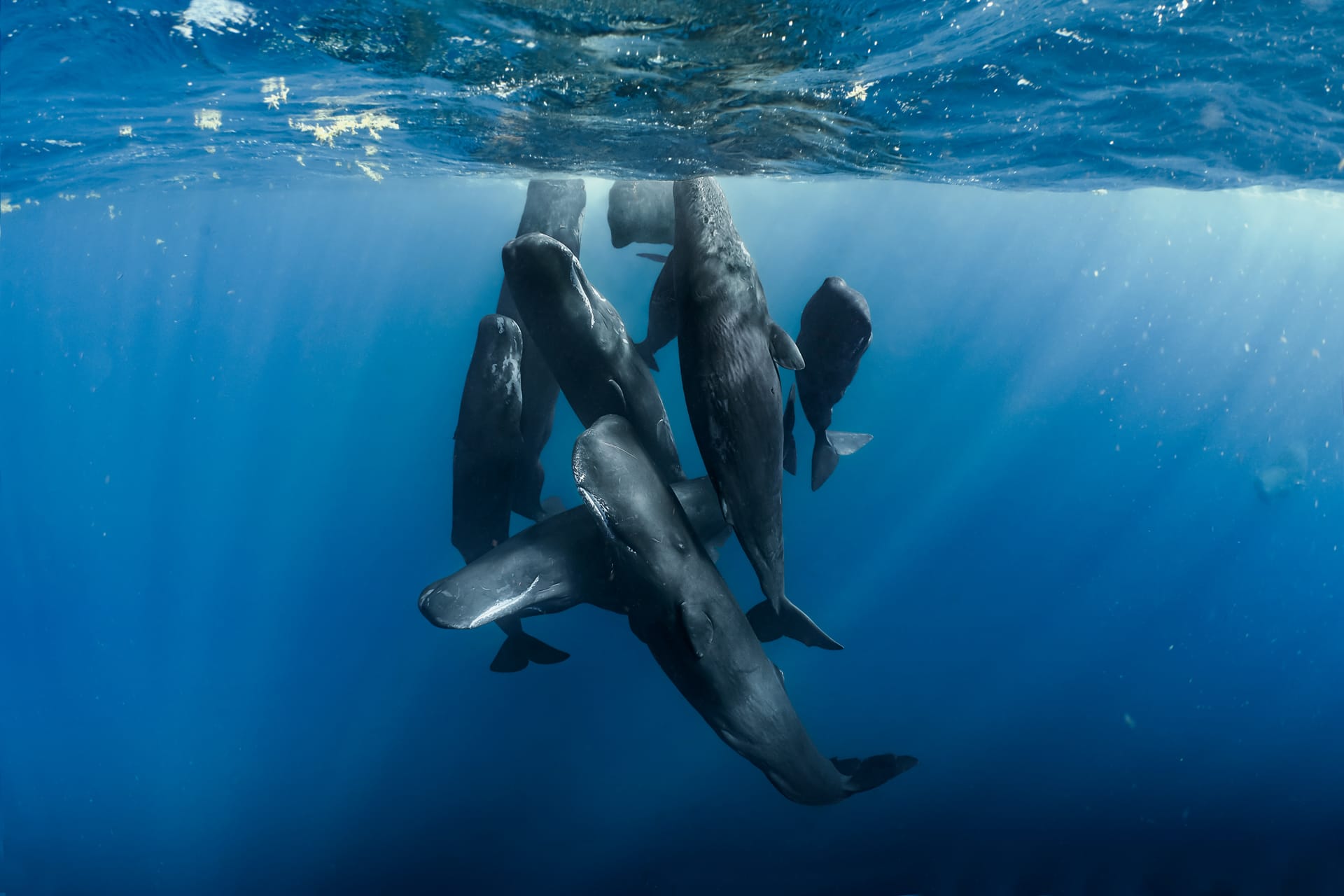
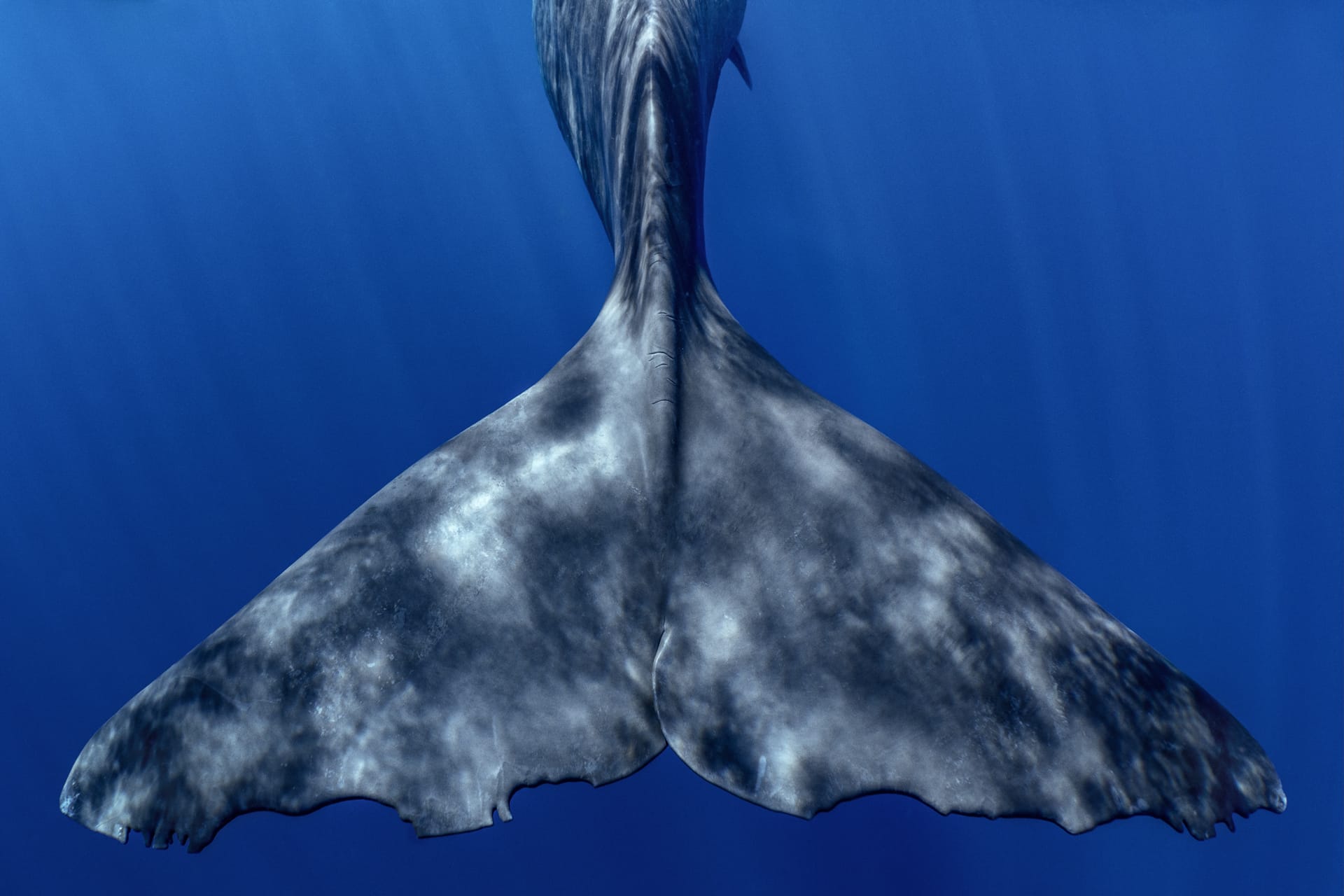
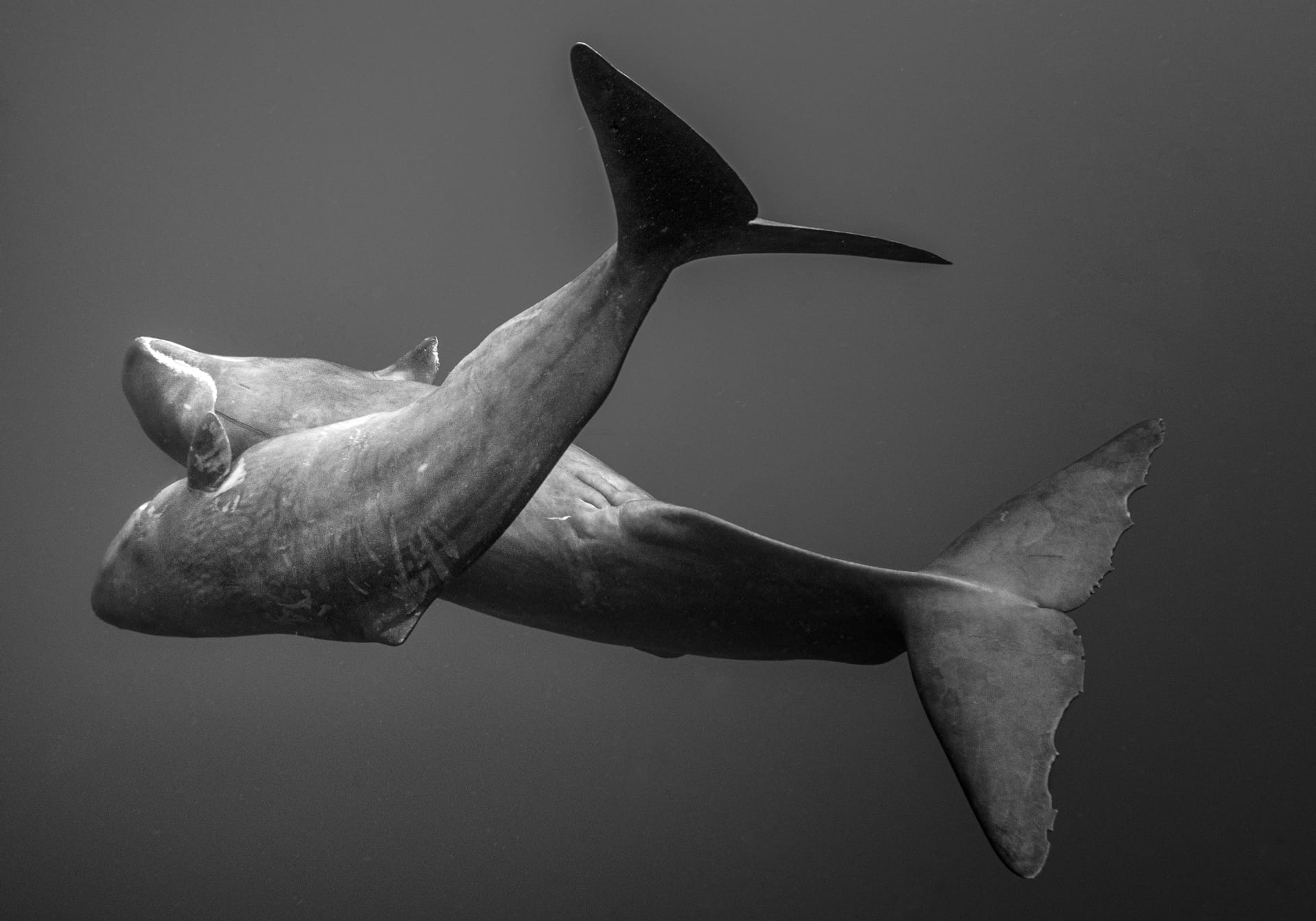
So she brings them whales.
Hope with evidence
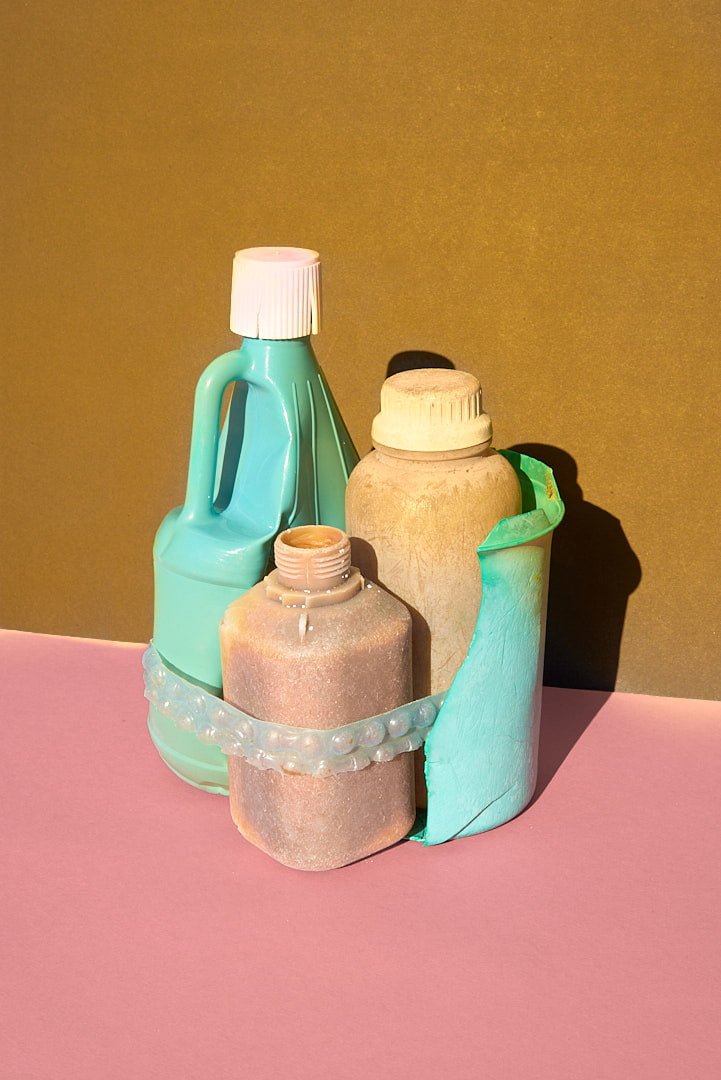
It would be easy, she admits, to give in to despair. Our planet feels overwhelmed. War. Rising fascism. Violence against migrants. Biodiversity collapse. Coral bleaching. Microplastics in our bloodstreams. “The easiest thing to do is surrender to fatalism”, Mittermeier says. Instead, she wrote a book called Hope.
Not abstract hope. Not empty positivity. But hope backed by evidence. She points to Kris and Doug Tompkins, who invested their fortune in buying land in Chile and Argentina, ultimately returning millions of hectares to the state as protected parks. She also talks about Titouan Bernicot, who at 16 saw coral bleaching in French Polynesia and founded Coral Gardeners, now restoring reefs across multiple countries. “These are not fairy tales. They’re proof that systems can change”.
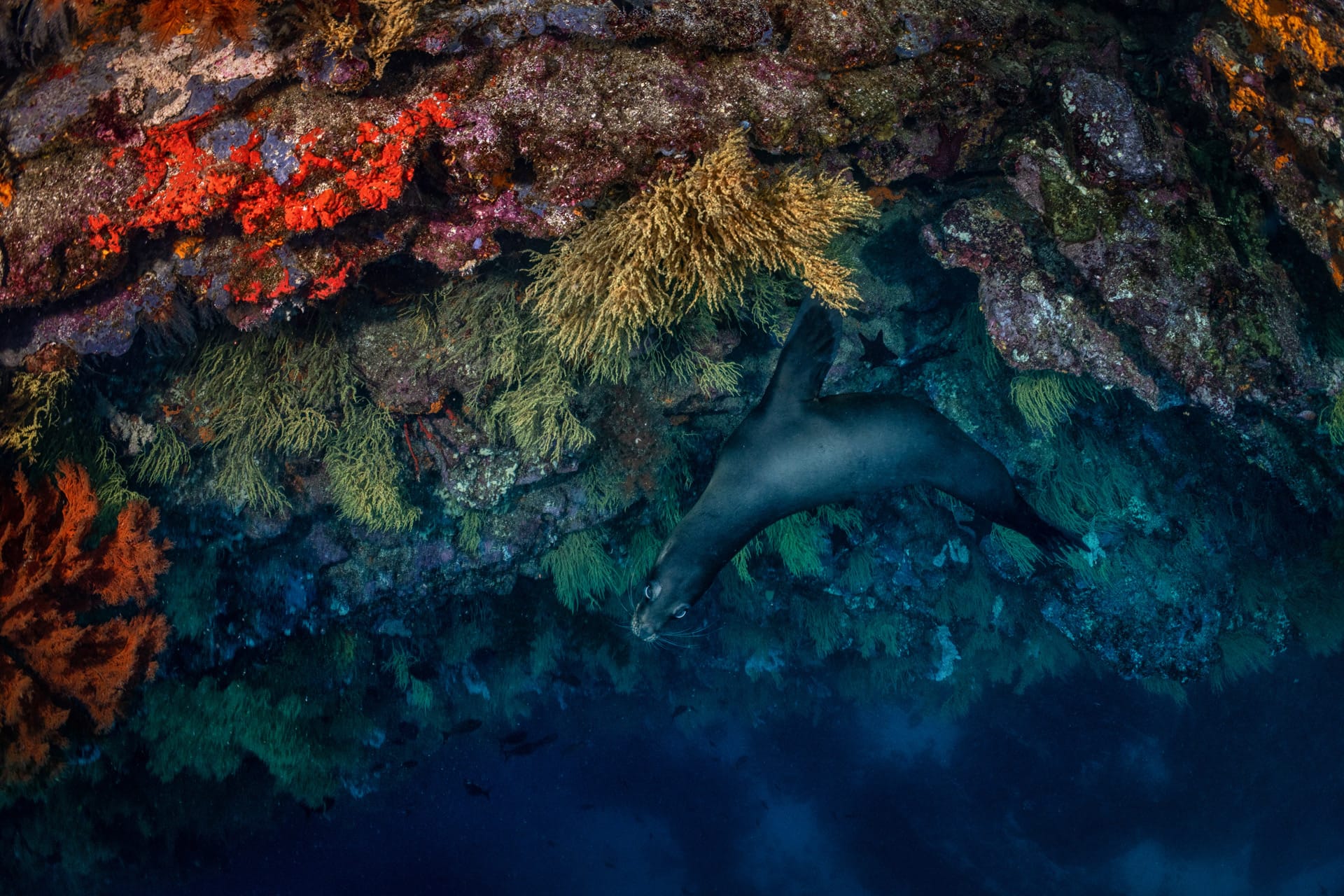
She remembers diving in Indonesia when water temperatures hovered above 30°C. Coral turned ghostly white within months, and plastic drifted through the currents around her. “It was heartbreaking”, she remembers. So, she began diving at night.
“When you can’t find life in the daylight, you look in the dark”. Under her torch, strange, delicate creatures emerged. One night, a tiny squid hovered before her lens, shifting colors, fascinated by its reflection. “For half an hour, it was just us. Two beings on the same spaceship”.
Systems, not symptoms
Mittermeier views climate change, biodiversity loss and political instability as symptoms of a deeper systemic failure. “These are not isolated catastrophes. They’re signs of a broken system”.
The industrial model that prioritised extraction has delivered prosperity for some, and instability for many. Fixing climate change alone, she argues, is impossible without addressing economic and cultural structures: “It’s like a roller coaster. Humanity has been climbing higher and higher. When we start descending, gravity will take over. The question is not whether the drop comes, but how we design it”.
“We still have agency, but only if we act”
The global target to protect 30% of land and oceans by 2030 is one example of intentional design. Currently, roughly 8% of the ocean is strongly protected. “We still have agency”, she asserts. “But only if we act”.
Through Perpetual Planet, she has engaged directly with heads of state about marine protected areas, connecting conservation to economic resilience, fisheries stability and long-term security. “It’s not about saving whales because they’re cute. It’s about saving the engine of our spaceship”.
The North Star
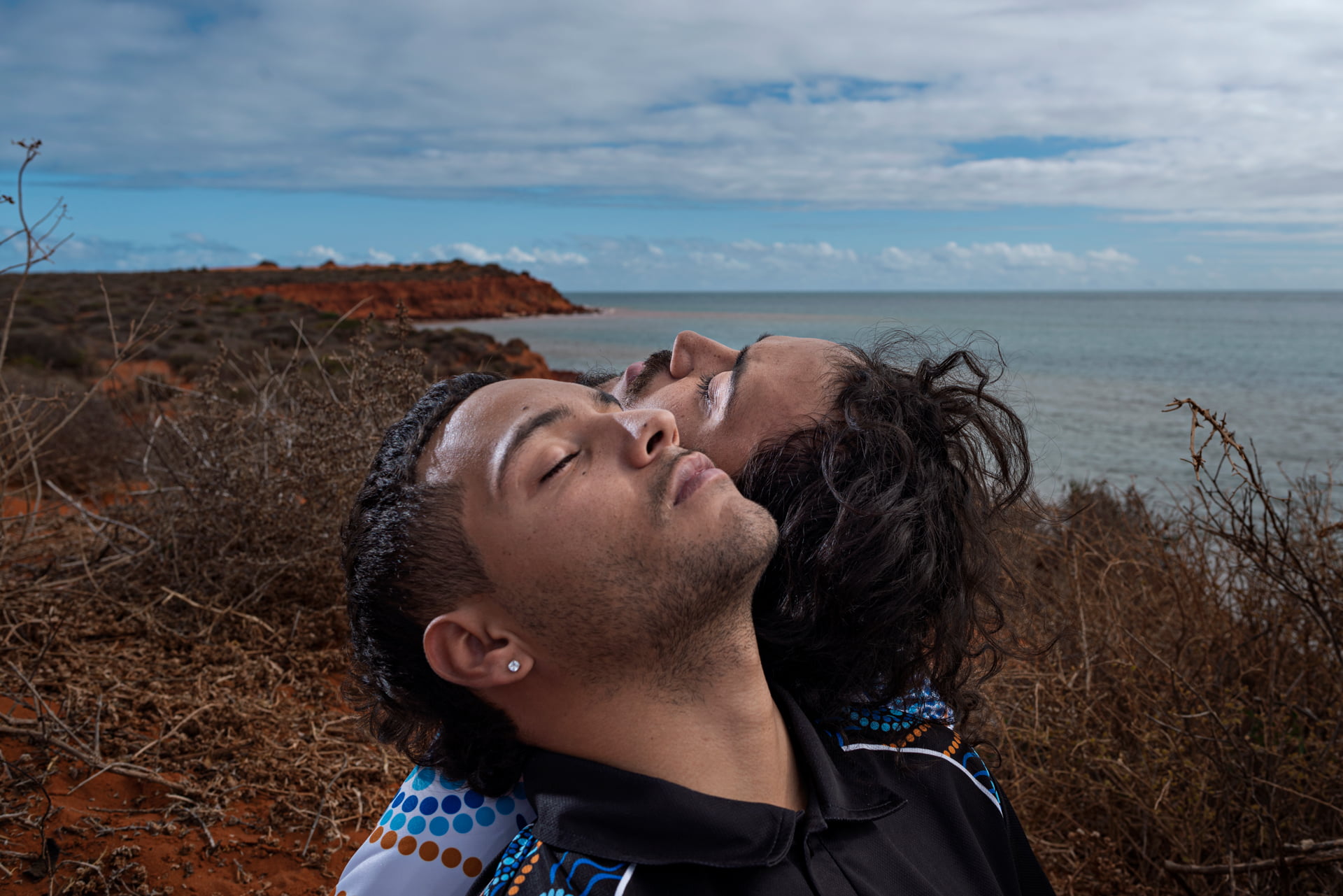
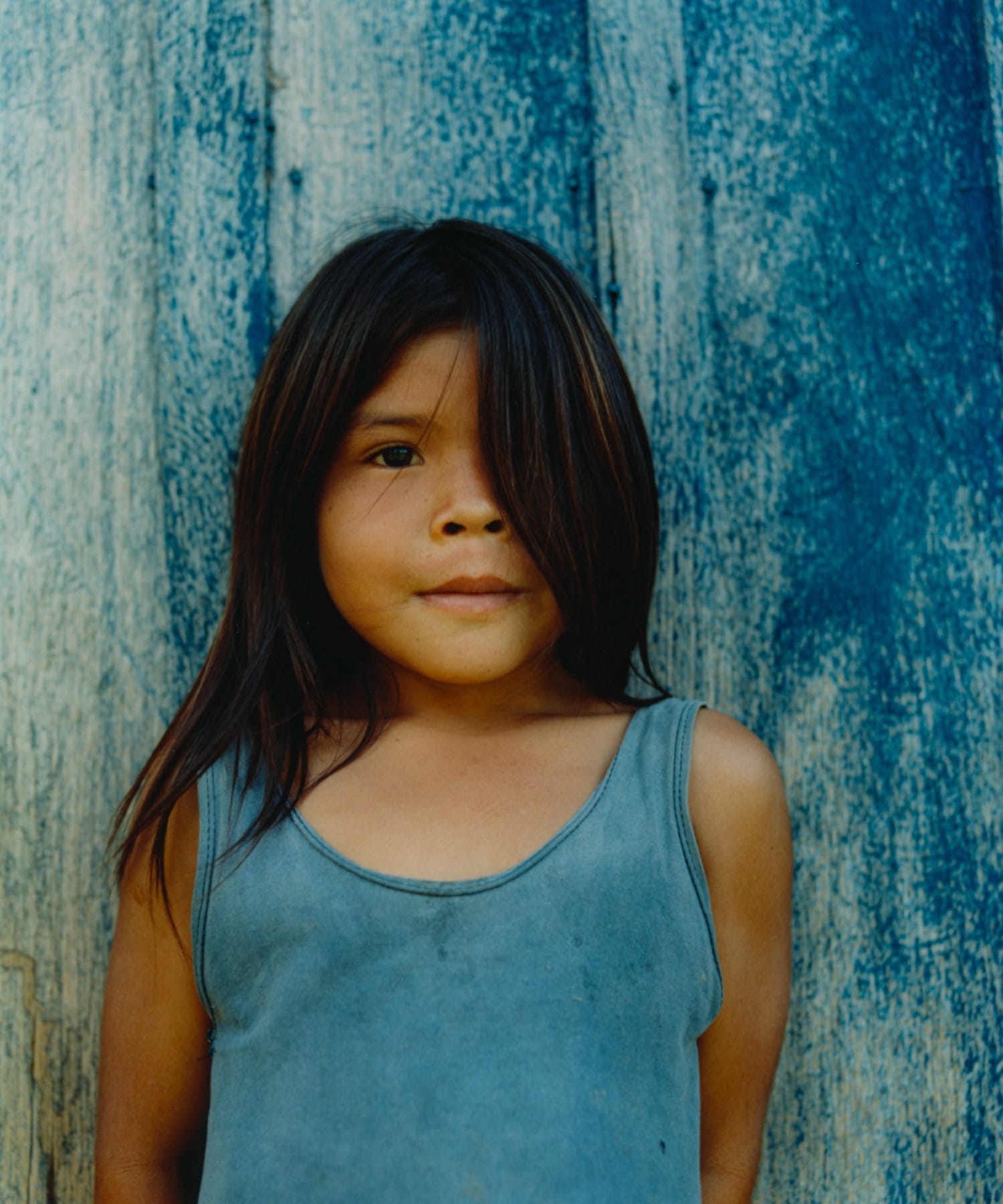
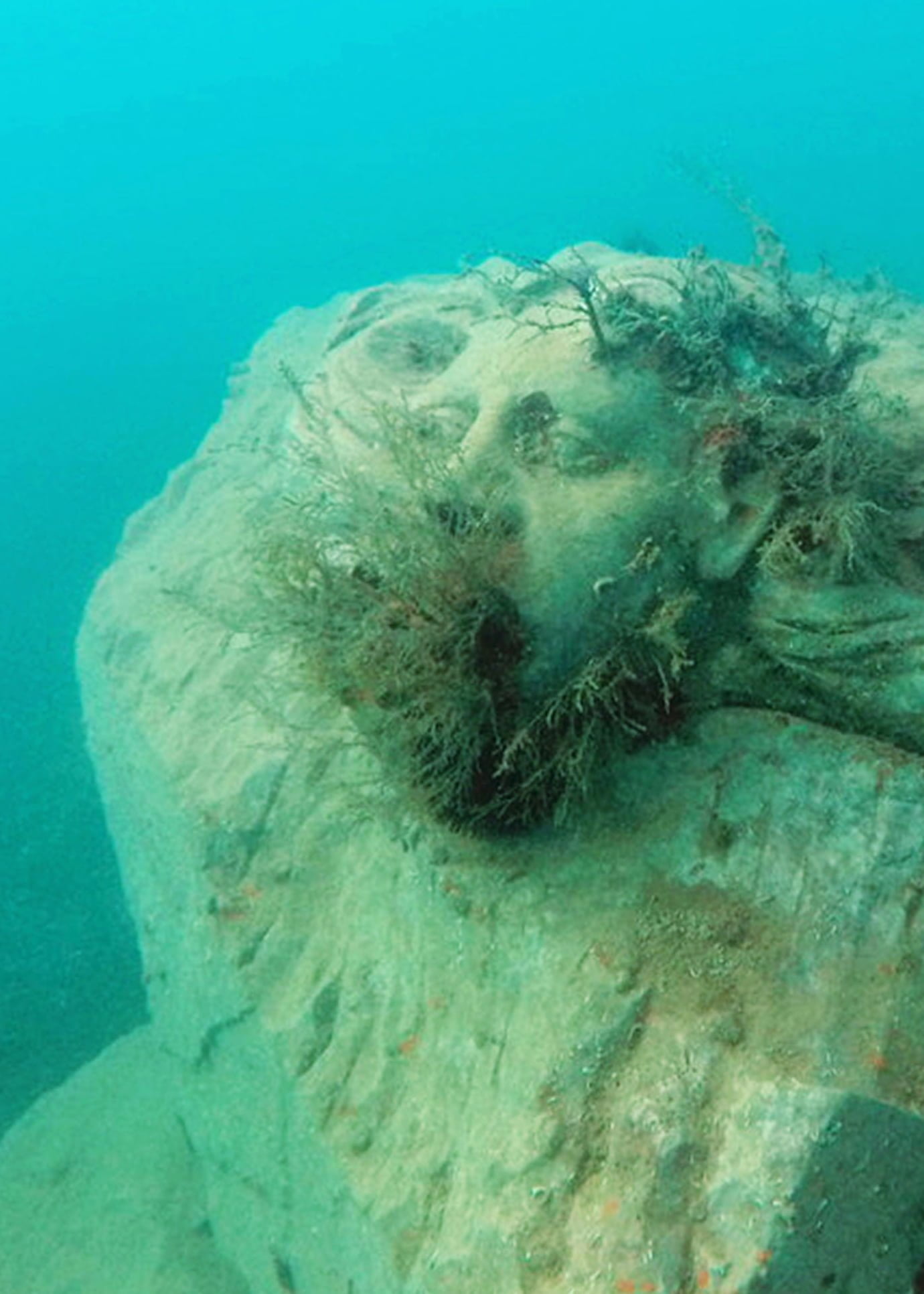
Across more than 150 countries, Mittermeier has worked alongside Indigenous communities. She resists romanticization. “It’s not mysticism. It’s values”.
She’s careful when speaking about Indigenous communities, rejecting the superficial gaze that reduces them to feathers, costumes and body paint. “I think that the right way to think about Indigenous people is less about their knowledge and more about their guardianship,” she says.
From Papua New Guinea to Mexico, she sees common principles that have allowed ecosystems to survive for thousands of years: reciprocity, humility, community survival, respect for ecological limits. “In many Indigenous cultures, the richest person is the one who gives back the most”.
She believes these values form an invisible global network. A moral compass humanity has drifted from. “If we treated those values as our North Star, we could correct our course and stand a real chance of redesigning the systems that are pushing us toward collapse”.
RELATED ARTICLE
No purity tests
Mittermeier believes one of the environmental movement’s blind spots is its tendency to demand moral perfection. Too often, she argues, climate conversations turn into gatekeeping exercises: who flies, who eats meat, who owns what. And the result is paralysis rather than progress. “You don’t have to be perfect. You just have to move in the right direction”.
She is pragmatic about the reality of transition. Modern life still runs largely on fossil fuels. Renewable infrastructure is not built in a vacuum. Solar panels, for example, are currently manufactured using fossil energy. That doesn’t invalidate them. “That’s how transitions work. You build the bridge while you’re crossing it”.
For Mittermeier, this is where hope becomes practical rather than sentimental. “People survive war and catastrophe because they cling to hope. So it’s not naïve to be hopeful. It’s a survival strategy. A refusal to surrender”.
Do you see me?
When asked what she wants viewers to feel when they encounter her photographs, she pauses. “I’m just a membrane, allowing a conversation”.
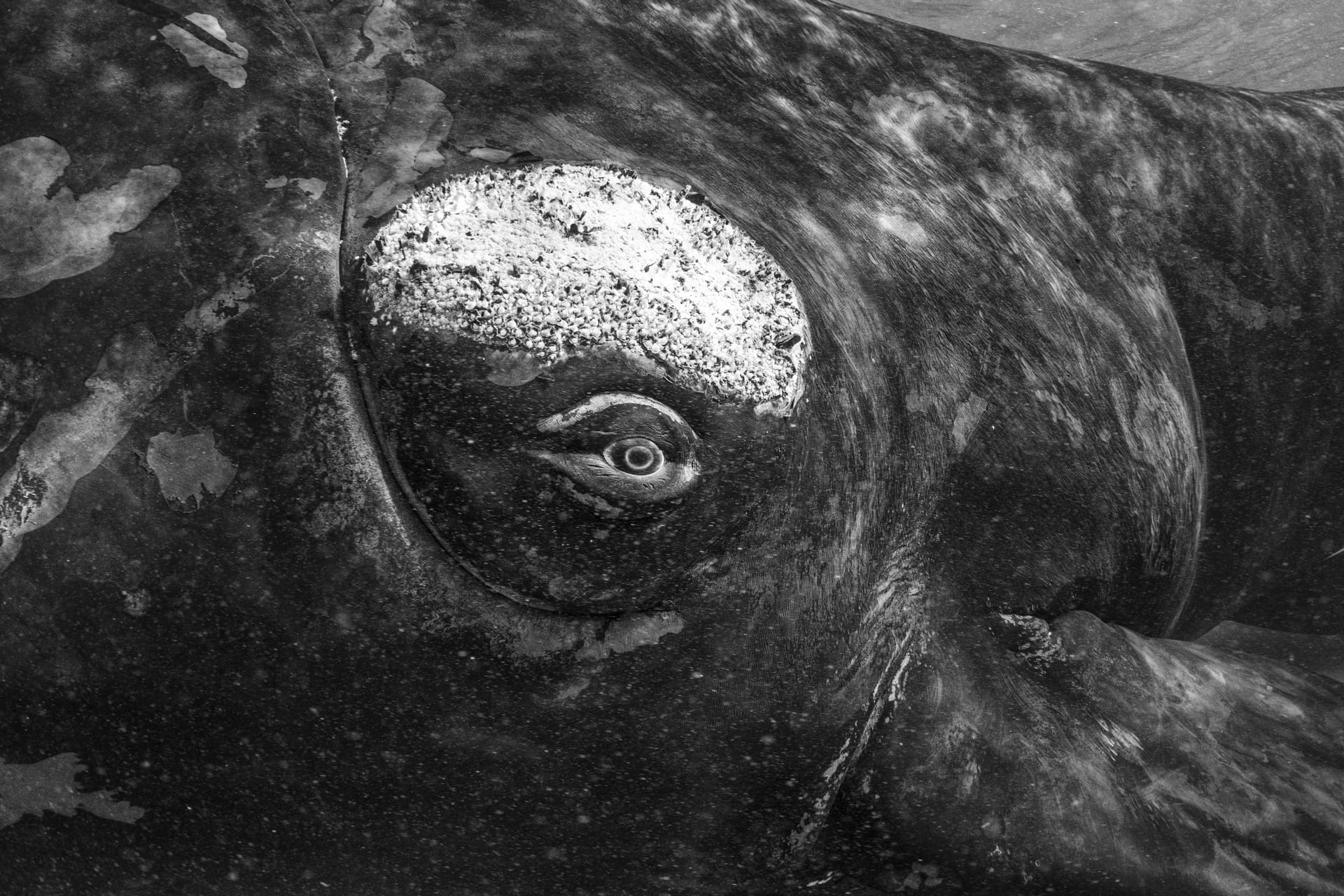
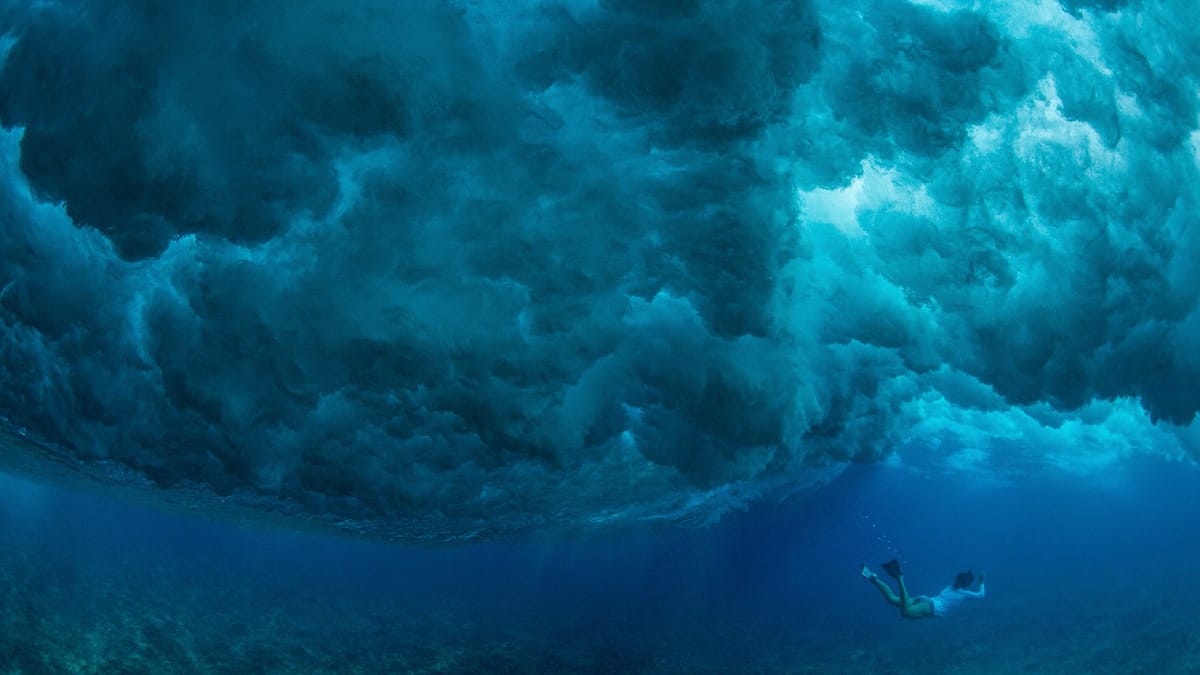
The first question her images ask is simple: “Do you see me?” A whale. A coral polyp. A microscopic organism. A squid in the dark. “We are made of the same matter. We share ancestors. We have nowhere else to go”.
She will turn 60 this year. If she’s lucky, she says, she has 20 good summers left. She plans to spend them underwater. Still kickstarting conversations in powerful rooms. Still asking humanity to take notice, before the engine of our spaceship fails.
Hope, as she sees it, is not optional. It’s oxygen.
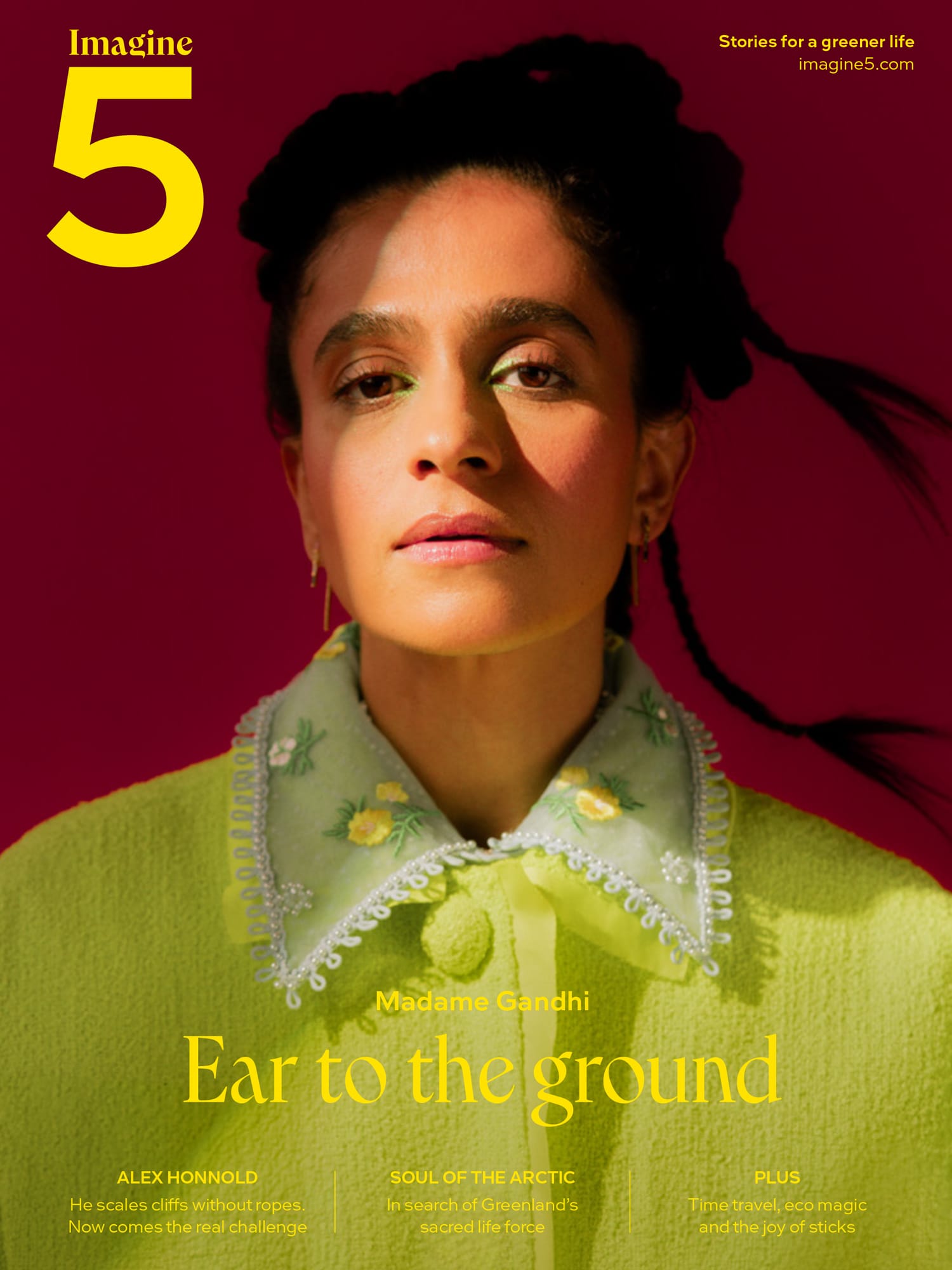
Cover star Madame Gandhi on the sounds of the Antarctic, free climber Alex Honnold reveals his biggest challenge yet, actor Rainn Wilson embraces his soulful side and much much more!