In Denmark, scientists are working on creating a blueprint for a wilder world. For it to become a reality, it’s not just landscapes that need to change – it’s us.
Peering through binoculars across a grassy field near Denmark’s south coast, I catch my first glimpse of a creature I’ve never seen before. Clearly some kind of cattle, but taller and leaner than you’d expect, with long, wide horns.
This rare bovine variety is an echo of an ancient ancestor: they were bred specially to resemble the aurochs that once roamed Europe, but were hunted to extinction in the early 1600s. Known as Tauros, these cattle are at the heart of a rewilding project that is transforming this piece of former farmland, by reactivating the natural processes that agriculture turned off.
Rewilding is not new. The term was coined in the early 1990s, and in the decades since the idea of helping reestablish natural processes, then sitting back and letting nature do its thing, has captured the world’s imagination. Projects are underway on every continent, helping species bounce back and ecosystems reveal their full potential once again.
It’s great, but it’s not enough. To keep nature healthy and hold back climate change, we still need to make much more of our world wilder. And to do that, we all need to rewild ourselves a little bit too.
This article was produced by Imagine5’s editorial team in partnership with the Hempel Foundation, which works to accelerate positive change in areas including biodiversity and education. It was originally published in the ‘wild issue’ (vol. 5) of the Imagine5 magazine, made possible with the financial support of the Hempel Foundation.
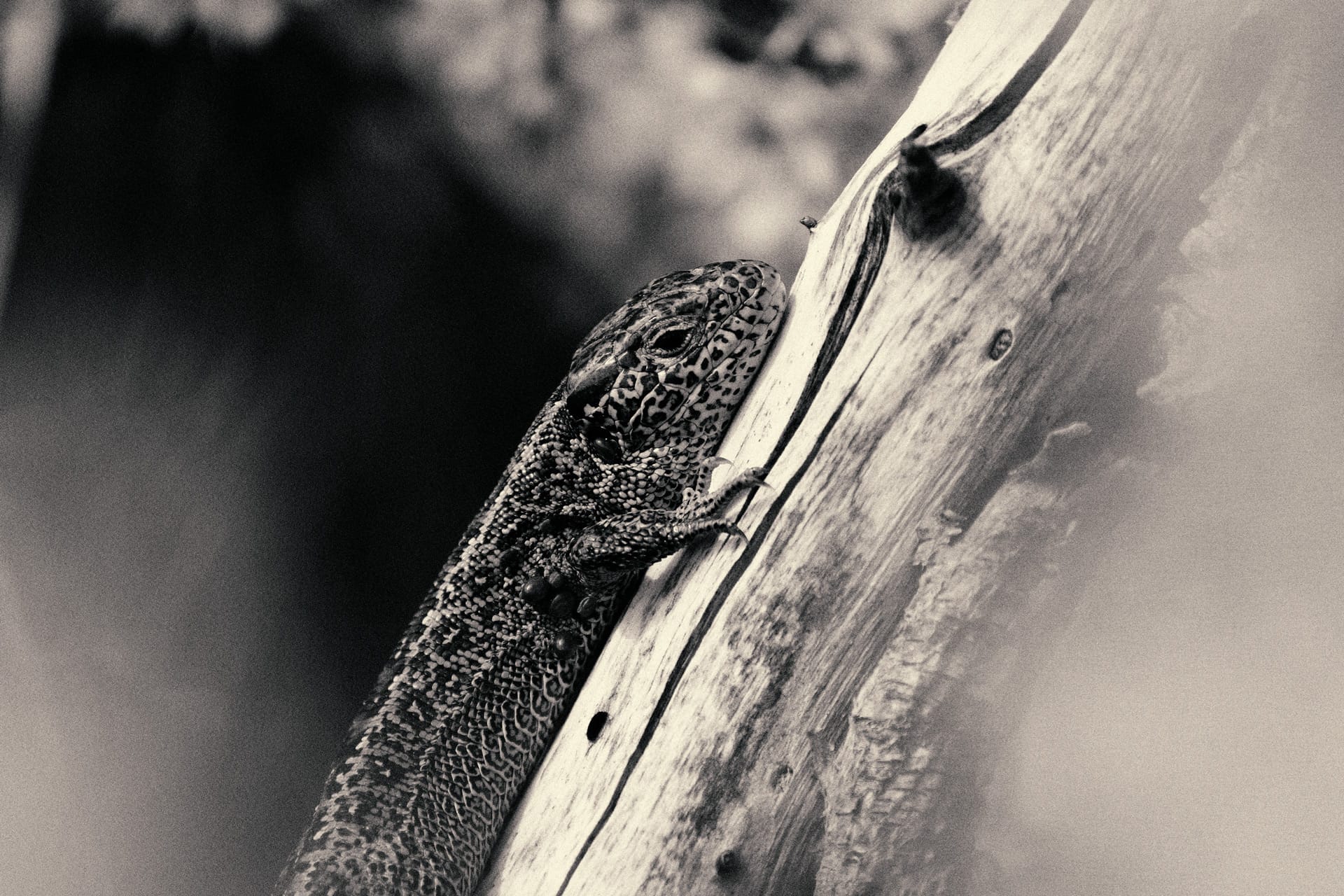
Sand lizards, found in Mols Bjerge, are a protected species in Denmark. Photo: Jens Thorving Andersen / Hempel Foundation
Chaos and control
When I meet Thor Hjarsen at the offices of the Hempel Foundation in Copenhagen, he’s wearing a T-shirt bearing a slogan that translates as “Knowledge is not a f*cking opinion”. As someone trained in science, Hjarsen knows you have to be comfortable with making people uncomfortable – and especially when you work with wild nature, that’s a good philosophy to have.
“Humans have spent our whole evolution trying to get control of nature,” Hjarsen says. “Removing the dangerous animals, killing animals to eat, controlling the water so our homes don’t flood, creating fields…. Our whole culture is built on having control of the landscape around us. Coming back from that is a challenge.”
The Hempel Foundation’s contribution to changing this culture, is to take the nature sites it has acquired in Denmark, and turn them into learning centers that will provide testing grounds for rewilding techniques and showcase the benefits to the world.
The project brings together four sites scattered across the country, including wooded hills, vast sandy plains, wetlands frequented by migratory birds and dramatic moraine cliffs overlooking the sea.
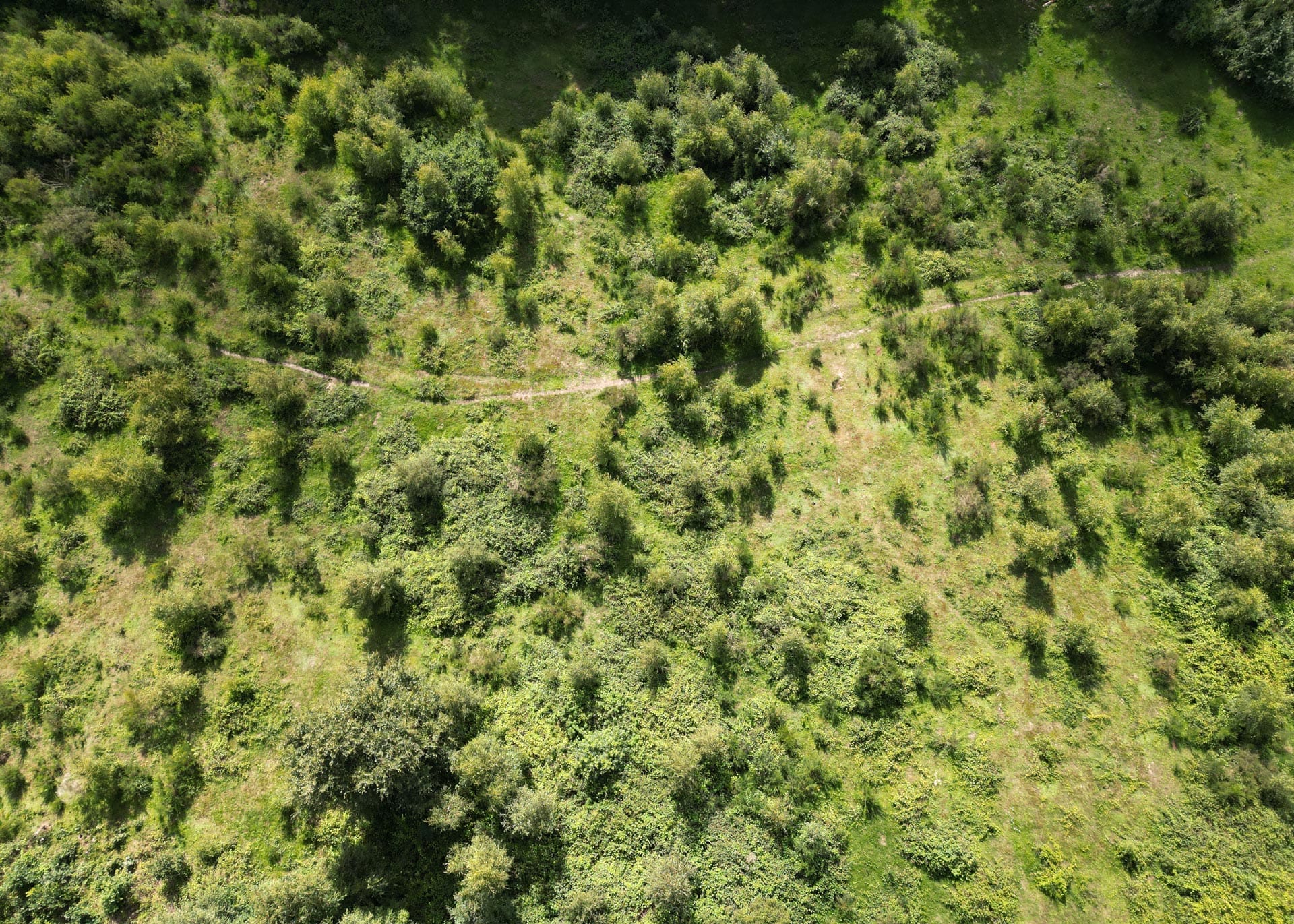
The combined sites, covering nearly 2,600 hectares (6,400 acres), will be called the Wilderness. “Of course it’s much smaller than the true wildernesses you see in East Africa or Alaska or Norway,” says Hjarsen. “But the natural processes are the same. And it’s the processes we want to get back.”
The Wilderness will give researchers, students and rewilding practitioners somewhere to work together and find answers to how Denmark can achieve the biggest possible biodiversity benefits as it seeks to meet its ambitious national targets for taking degraded farmland out of production.
“We’ve realized as a country that we’ve gone too far and we have nearly no nature left, and we need to do something about it,” says Anders Holm, CEO of the Hempel Foundation. “The Wilderness is about showing how we transform land into nature where biodiversity will bloom. But it’s also about rewilding the minds of people.
“I work in Copenhagen and I can go a full week without seeing nature. I think there’s many people just like me, including my kids, who for good and bad reasons are becoming very distant from nature. So having people be inspired by the biodiversity and the healthy ecosystems, in the long term, is really important for us.”
With this in mind, schoolkids and nature managers will have the chance to experience the Wilderness, as will participants in the first ever European Rewilding Festival – which the foundation is planning in partnership with Rewilding Europe – and the third International Rewilding Conference, taking place in Denmark in 2027.
Huge benefits
Alister Scott of the Global Rewilding Alliance, which works with rewilding organizations all over the world, is watching the project with interest. He sees it as an opportunity for the public, politicians and investors to get to grips with rewilding and its benefits.
“Public support for nature recovery is very, very high across Europe,” says Scott. “But when politicians try to move in this direction, the status quo will always scream blue murder. Vested interests will resist change. So they need evidence. A lot of people don’t know how brilliant rewilding is for things like flooding, pollution control, mental health, the list goes on. In the UK we’ve tracked 70 large projects, and over three-to-five years of rewilding, employment more than doubles. Just today I visited a rewilding site in Hampshire which five years ago was a farm employing five people. Now it employs 17.”
Related article
“What we need from policymakers is creativity,” says Scott, and projects like the Wilderness can help them find it. “We need them to stand back and say, what do we want in the countryside? If it’s agricultural productivity, the logic that we need all this land for animals doesn’t stack up, because you can feed 10 times as many people with plant-based stuff. If it’s jobs, clean water, carbon sequestration, flood prevention, reducing heat island effects near cities, for all these things, current agricultural practices are working against those objectives.”
Changing times
Helping decision-makers understand these policy challenges, and working with them on solutions, will be a key focus for the Wilderness, says Hjarsen. Right now, Denmark is one of the world’s most nature-depleted countries, and what protection exists for nature, tends to target specific categories of landscape, rather than the messy, ever-changing ‘mosaic’ that emerges from rewilding. “The law puts nature in boxes,” says Hjarsen, and when you start rewilding, “that all dissolves”.
But perhaps an even bigger challenge lies in our hearts and minds. “Some people fear the wild,” says Hjarsen. “They don’t understand it. “They don’t like that feeling of going into a place where you don’t know what will happen. They see a broken tree on the forest floor, bogs, mosquitoes, horse dung in the middle of the footpath… They’re not ready. I was the same – when I was younger I really thought a beech forest was nice nature. These tall, slim trees, all in straight lines. I liked it. But I’ve learned that it’s just a monoculture.”
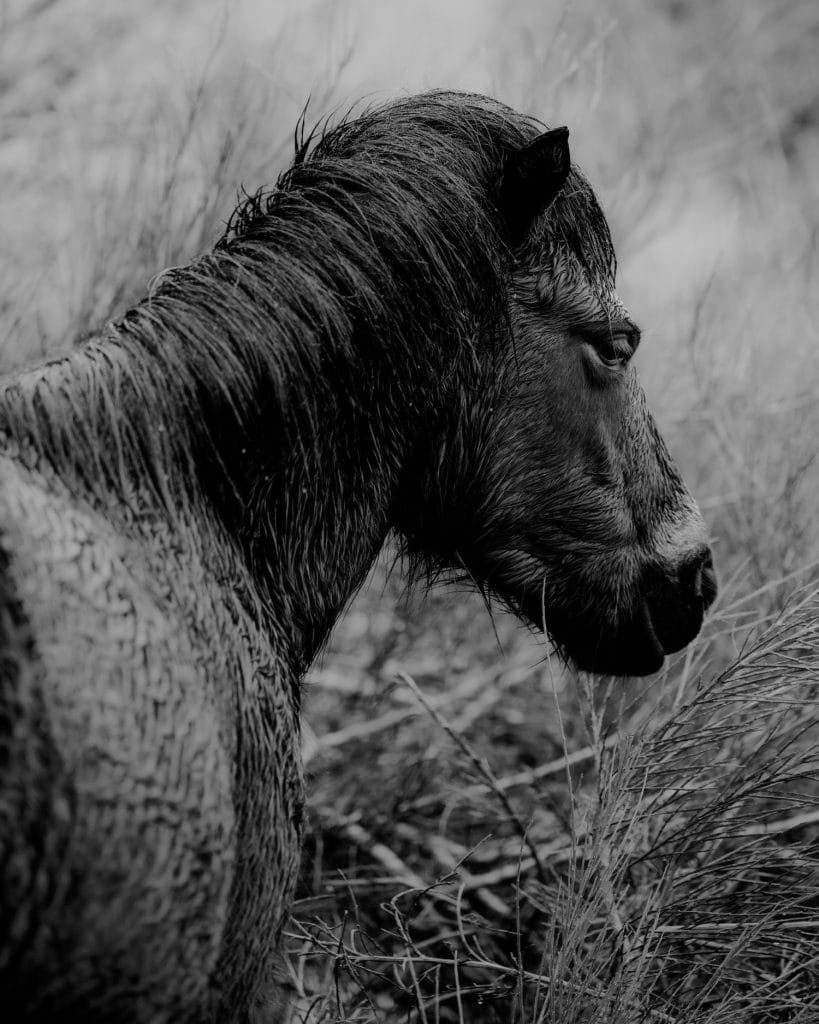
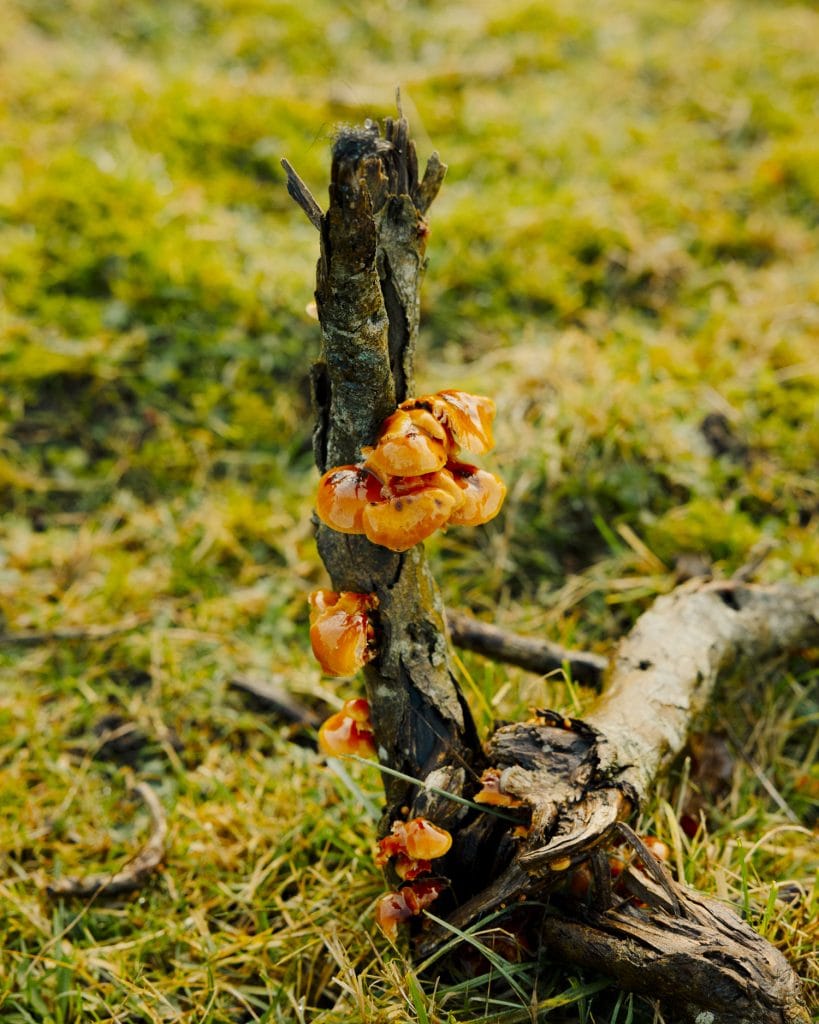
Photos: Tobias Nicolai
Rewilding is often described as bringing nature ‘back’, or returning to a time before humans changed everything. The problem with this, Hjarsen points out, is that “no one knows how nature looked before humans came. So we can’t really say we’re going ‘back’ to something, because we don’t know what it was.”
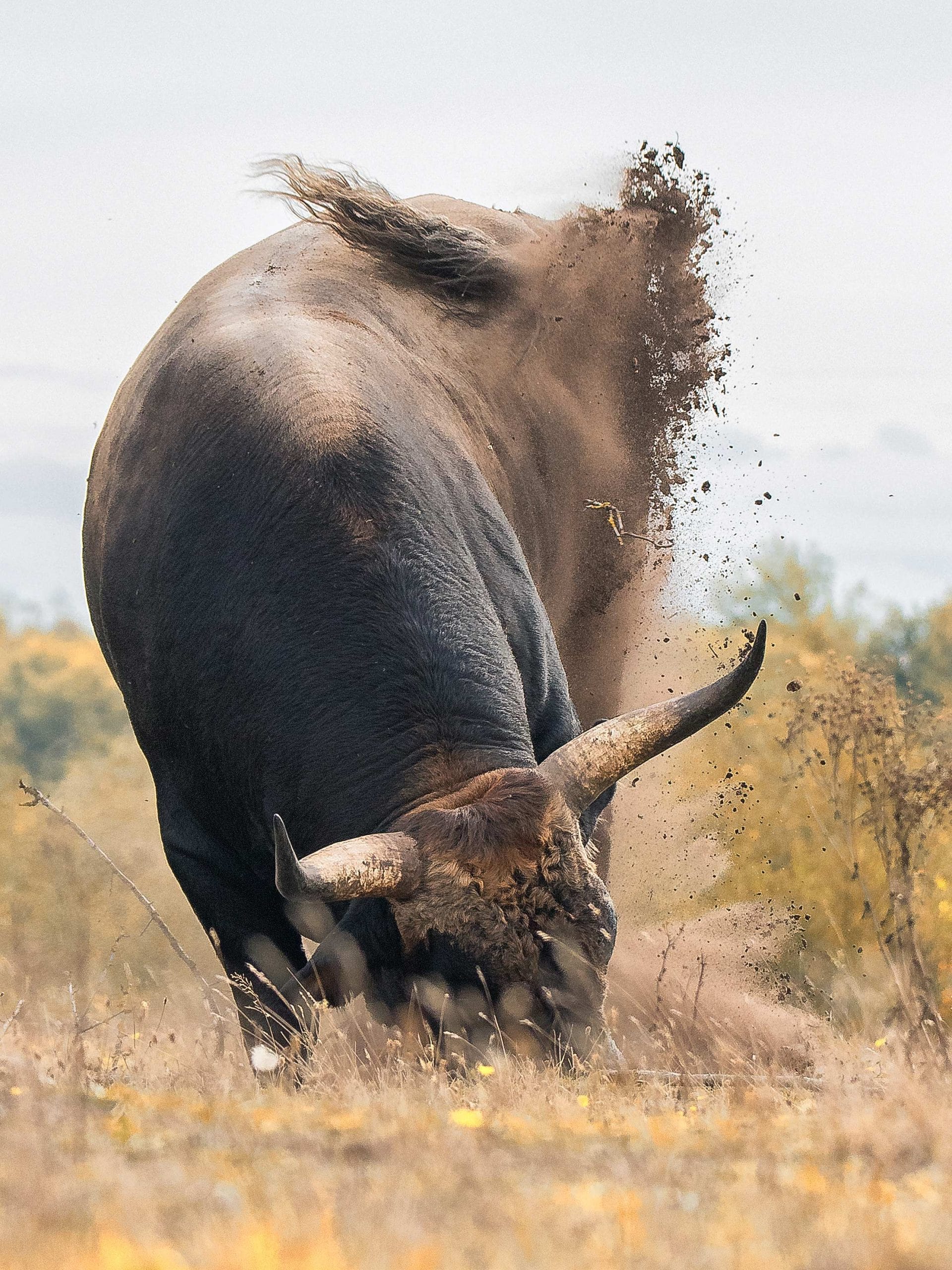
What rewilding can do is bring back the processes that defined those lost ecosystems – like the Tauros cattle munching up grass, digging holes in the ground and leaving dungpiles everywhere, much like their ancient ancestors. Where those processes lead, is “an adventure”, says Hjarsen. “We don’t know how it will end. Or if it will end.”
Are the public and politicians ready to join this adventure? Hjarsen is optimistic. “I think time will change things,” he says. “There will be a new norm.”
Another mindset
Right now, the land that Denmark hopes to rewild is mostly in the hands of farmers and landowners. Helping them embrace practices that better support nature, including natural grazing, is a big part of the job of Tobias Sandfeld Jensen of Seges Innovation. He works with landowners who are grazing land with cows, horses, goats, wild pigs and even water buffalo.
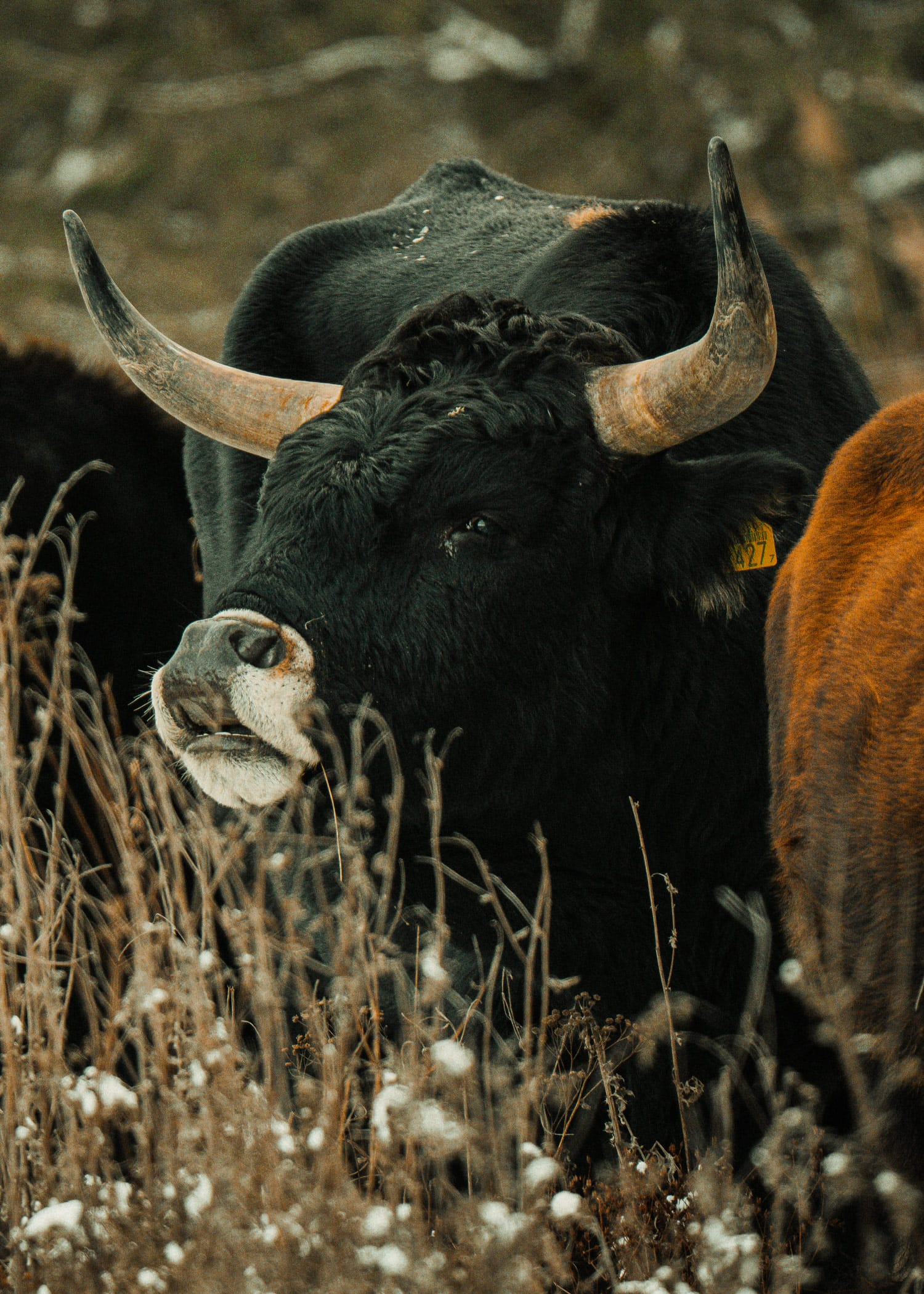
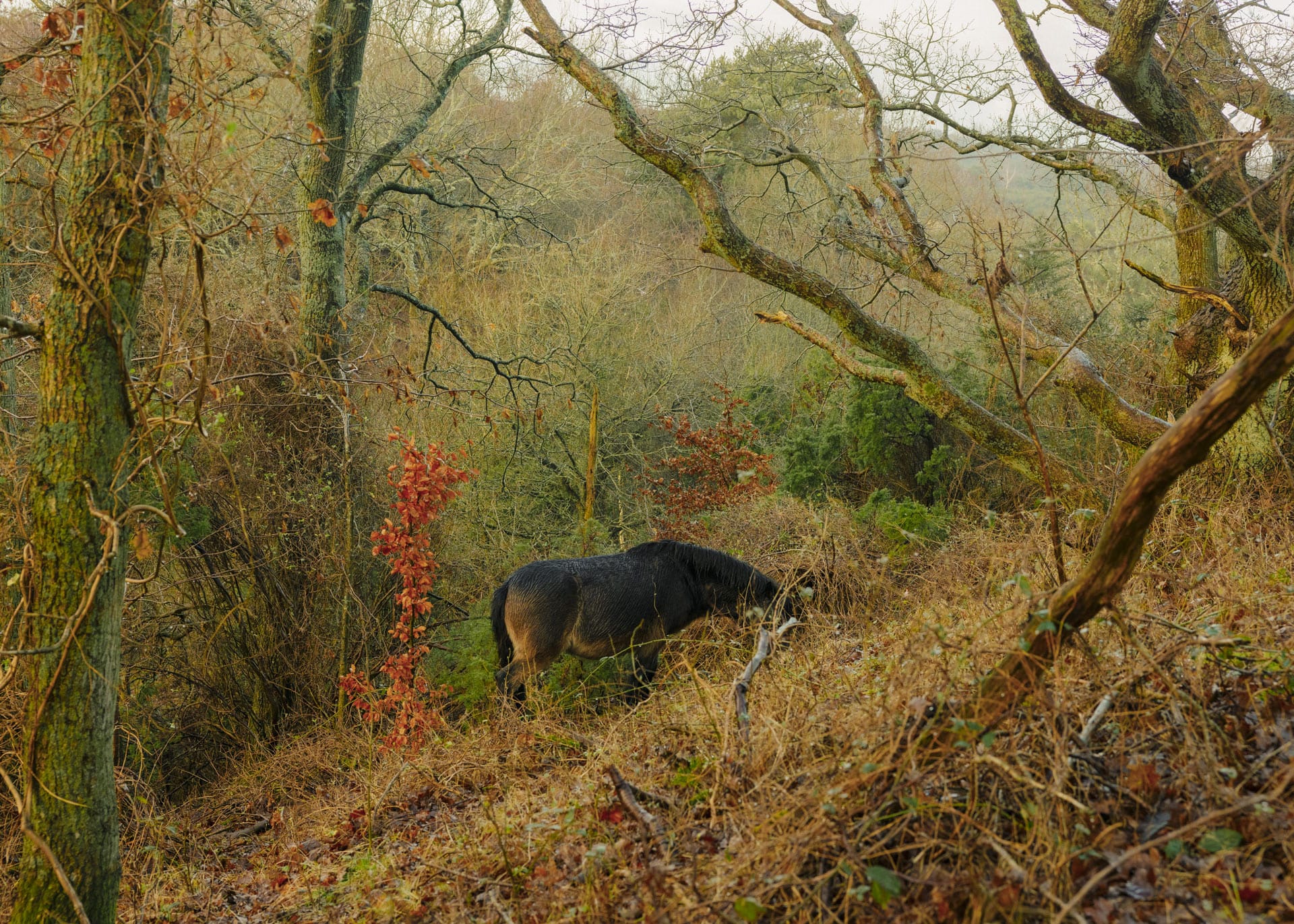
Tauros cattle were bred to resemble the extinct auroch. Photo: Jens Thorving Andersen / Hempel Foundation
“We don’t talk enough about rewilding in Denmark,” says Sandfeld Jensen. “Some people aren’t very comfortable with it. But there are definitely people who are interested in getting into this business of natural grazing. So I think the Wilderness initiative is very well-timed, because large herbivores as an ecosystem function is needed now more than ever.”
Conventional agriculture is all about getting nature under control, and the people Sandfeld Jensen works with are used to control and precision. But new practices call for a new mindset: more flexible, more open-ended.
Sandfeld Jensen is hopeful that those with the power to make a difference, will embrace it. “I think everybody wants to see wild landscapes teeming with life and biodiversity. We don’t just want to see Denmark drowning in nettles,” he says, referring to the typical effects of excessive fertilizer in the soil.
“I hope we can come to a place where today’s generation can make nature more wild, and pass that gift on to our children and grandchildren. Seas where you can catch a fish, streams that meander through the landscape…. Hopefully we’ll have a country with more room for this chaotic, unpredictable wildlife – the other life that also inhabits this planet.”
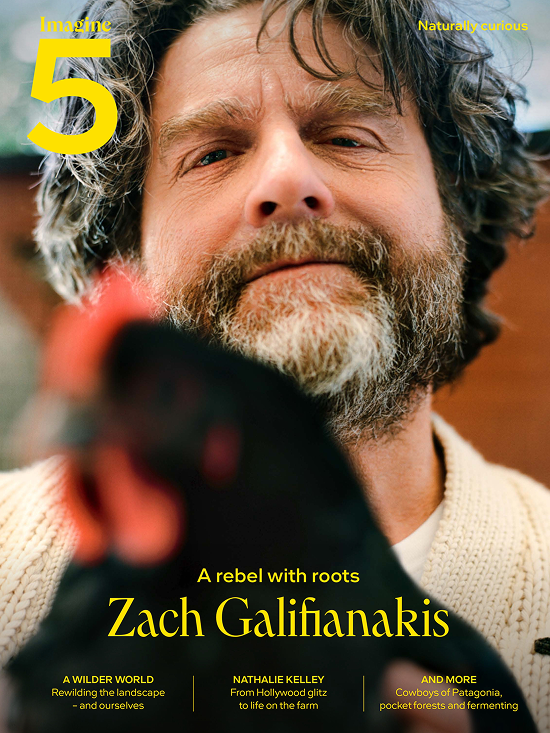
Focused on the wonderful world of rewilding, Volume 5 sees us get into the weeds – and go beyond the ferns – with our green-thumbed cover star Zach Galifianakis, walk with wolves in Slovenia, create a wilder world in Denmark, find meaning in fashion, and much, much more.
WE LOVE NATURE