Nicole Kelner set out to document the quietest places in her home city of New York. It changed her perception of what a greener future could be like.
What is your favorite sound? Close your eyes for a moment and imagine it.
For me, it’s the sound of rain falling on my umbrella. Chances are, your favorite sound might involve nature, too. Maybe waves crashing on a beach, birds chirping in the park, or the crunch of fall leaves.
The thing is, I live in New York City. And to enjoy the sounds of nature, you need the city to be quiet for a minute. Over eight years, I’ve lived across three boroughs and five neighborhoods in New York, and every place I lived, I found myself searching for silence.
I started collecting these pockets of peace everywhere I went. That practice grew into a book, Quietest Places in New York City. And as I began documenting these spaces through watercolor illustrations, I noticed that the quietest places were often the greenest ones.
Quiet places are green places
From the lush community gardens sprinkled through the East Village to the certified arboretum that is Green-Wood Cemetery, these little urban sanctuaries are more than picturesque scenery. They are critical tools for climate resilience.
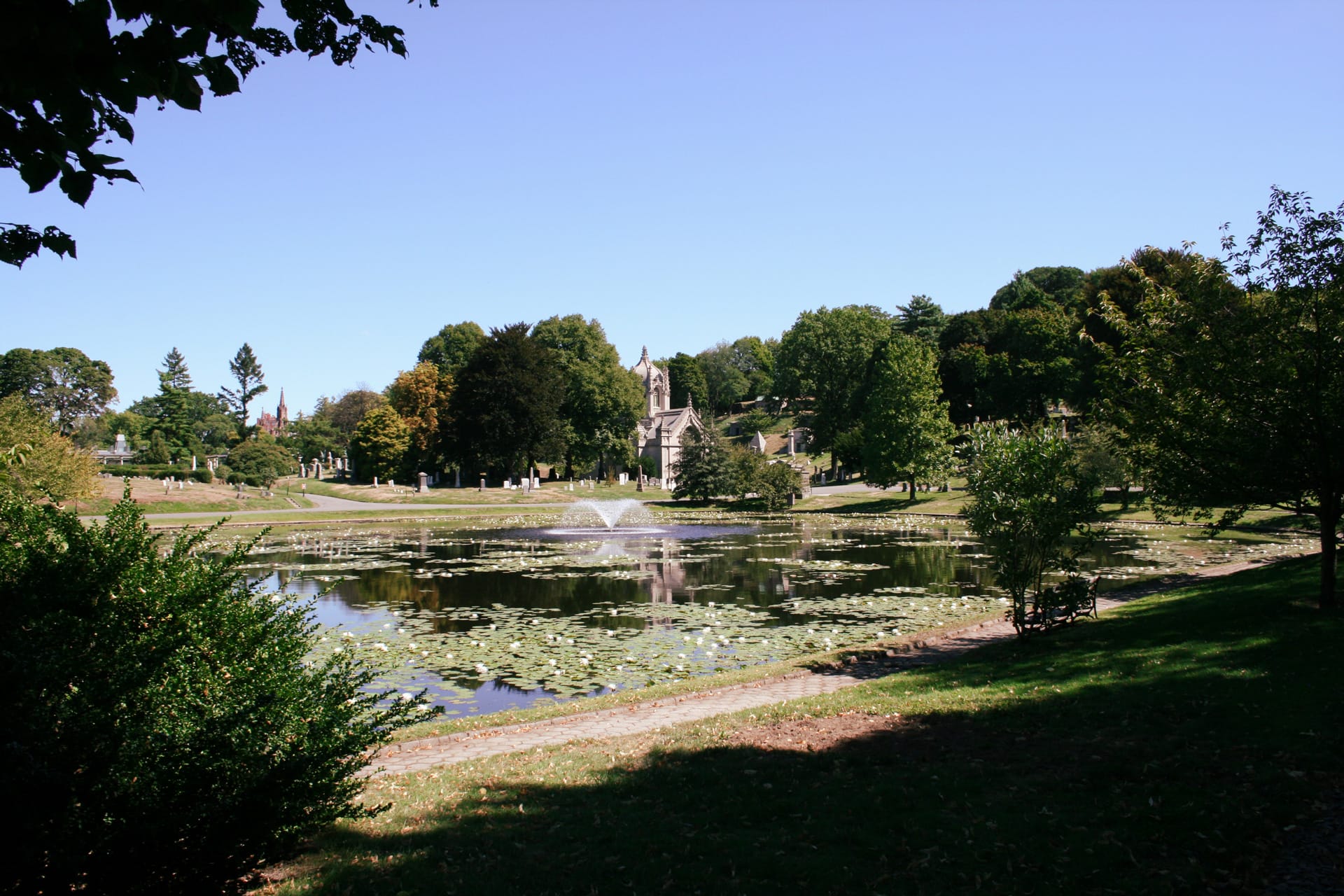
On a systemic level, they help cool the city, support biodiversity, and absorb stormwater runoff.
On an individual level, they provide spaces for bite-sized forest bathing in the city. Forest bathing is a Japanese practice of surrounding yourself with greenery and enjoying the physical and mental health benefits. It can help reduce stress, improve mood and even support immune health through compounds released by trees.
“A quieter environment supports mental and physical wellbeing”
Access to these quiet spaces also helps reduce the physical health implications that are connected to noise exposure – including increased stress, cardiovascular strain and reduced focus.
A quieter environment supports both mental and physical wellbeing. These green spaces are essential to create places for our community to find calm in the chaos. And to make the chaos a little calmer.
RELATED ARTICLES


Noise as a climate signal
While working as an artist-in-residence with the nonprofit Quiet Communities, I learned that noise is often the canary in the coal mine of climate change.
Many of the loudest sounds in our daily lives come from fossil-fuel-powered machines like gas cars, leaf blowers, and air conditioners. These machines vibrate at a low frequency that travels further and penetrates our windows more than electric alternatives. Meanwhile, electric alternatives create less noise and vibrate at a frequency that disturbs us less.
A new soundtrack for the city
Once I realized that fossil fuels are loud, but clean energy is quiet, the places I had discovered took on new meaning.
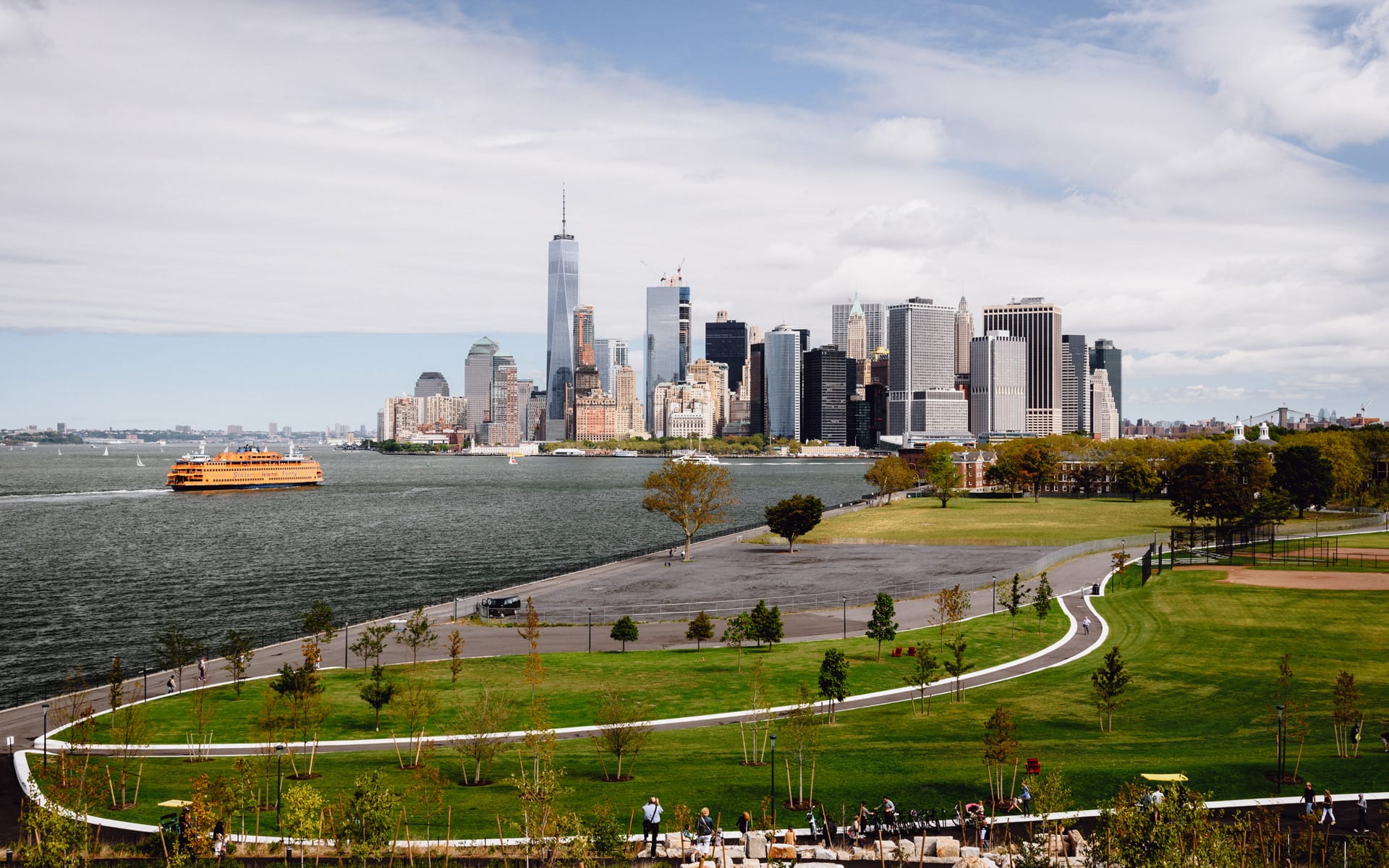
I learned that Governors Island was more than a cute daytrip a mile from Manhattan. It is a living climate laboratory. The island operates under a zero-waste system, serving as a model for the city. The paths are lined with native plants and buzzing bees. During the summer, goats roam to eat invasive plants, serving as a natural alternative to pesticides.
“It’s not necessarily the absence of sound. It is the presence of calm”
Even historic landmarks surprised me. St. Patrick’s Cathedral has installed the largest geothermal energy system in New York City. It was inspiring to know that an iconic, centuries-old building can set an example for the clean energy transition.
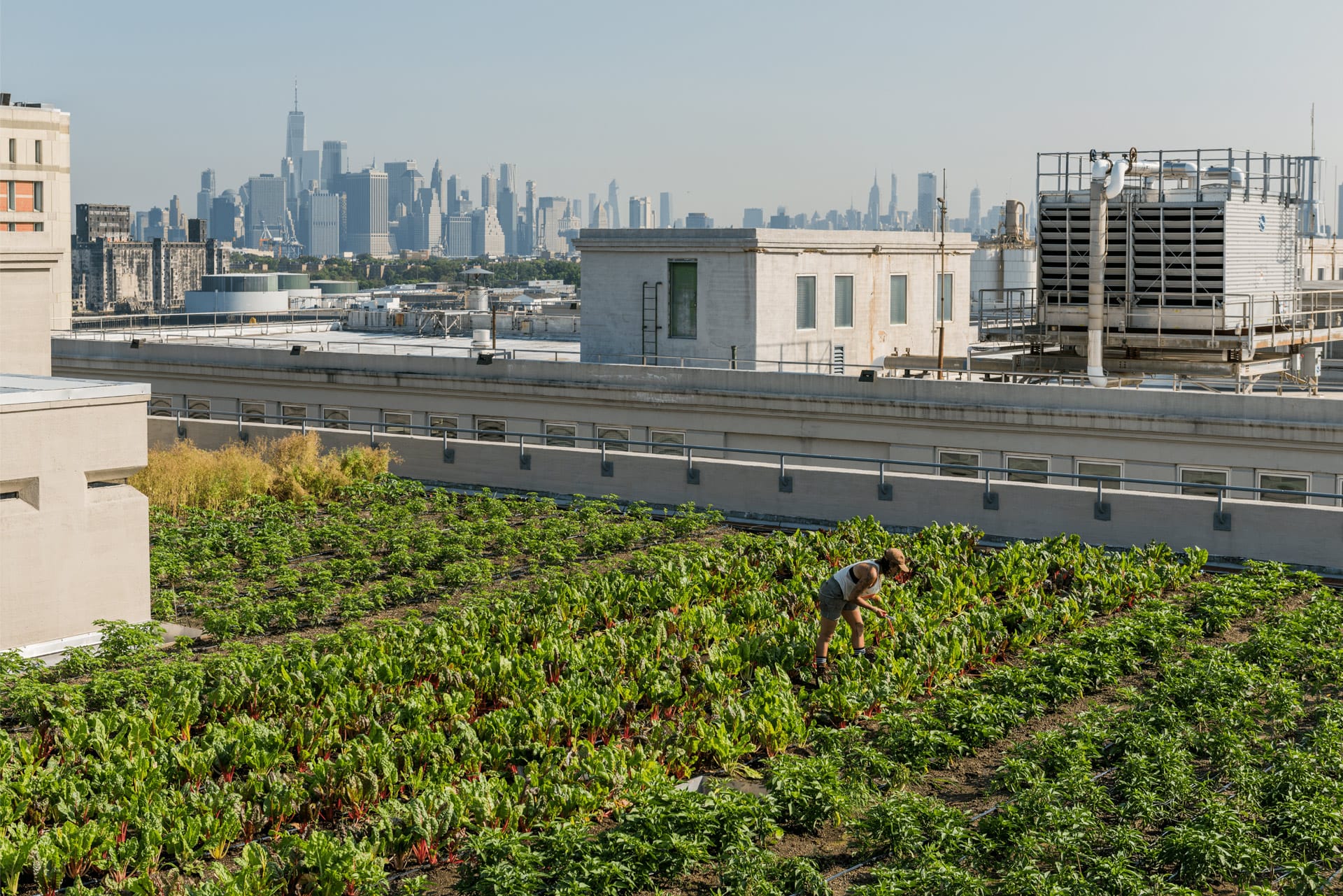
I discovered spaces hidden from the sidewalk that served as secret climate powerhouses. Brooklyn Grange sits high above the street as a rooftop farm filled with flowers, vegetables, and pollinators. It plays a vital role during storms, absorbing rainwater and reducing runoff like a sponge. There is even a giant rooftop farm above the Javits Center, which serves its produce to the center’s convention attendees in the cafeteria below.
Redefining quiet
As I wrote, I spent a lot of time thinking about what quiet actually means. For me, it is not necessarily the absence of sound. It is the presence of calm, both within and around you. I believe that the calmer you feel internally, the more deeply you notice your surroundings. And when you spend time in places that are green, peaceful and alive, you feel a desire to protect these sacred spaces.
A quieter future?
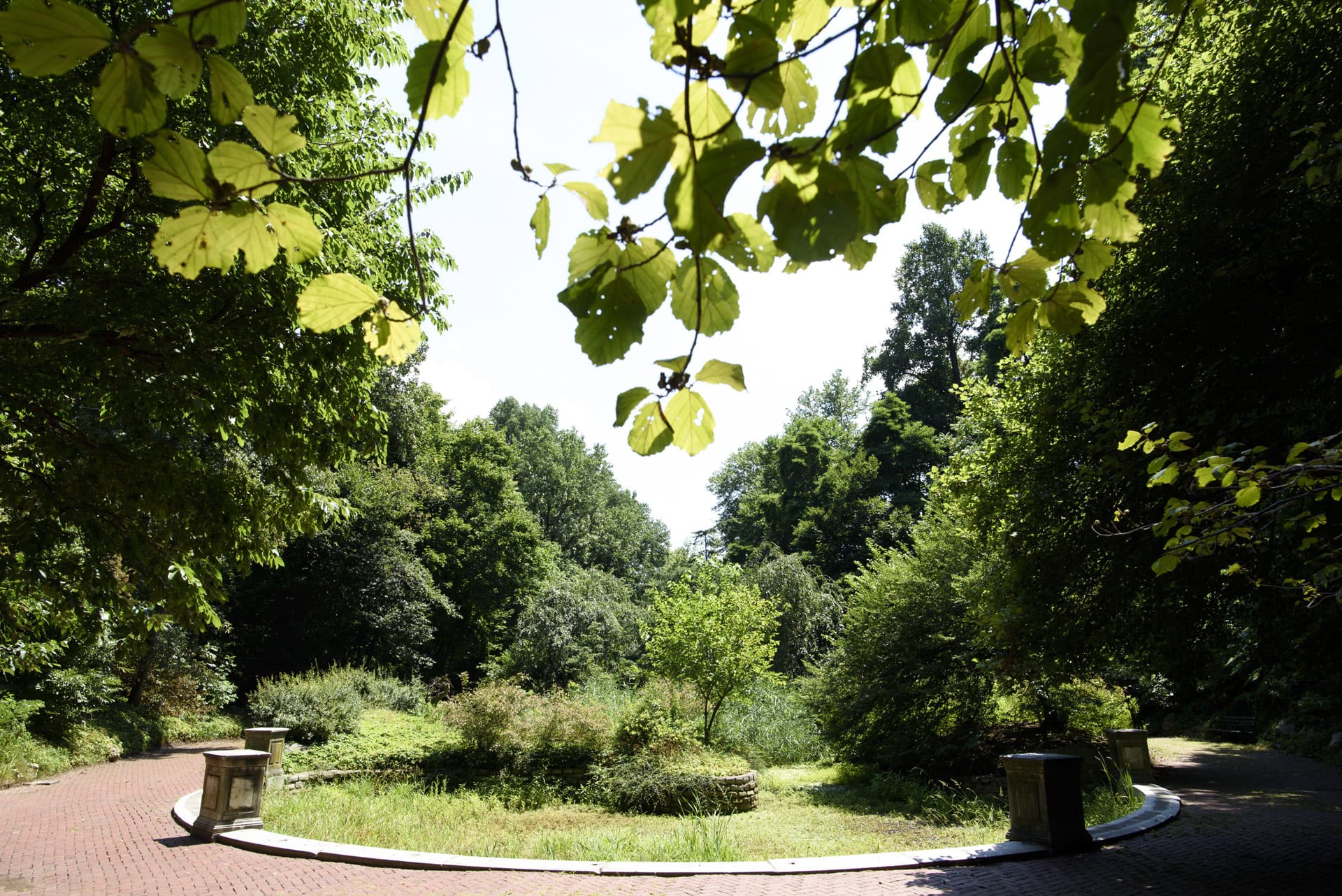
In Prospect Park there is a spot called the Vale of Cashmere. Once you are inside it, the sound of the surrounding streets disappears. It is considered a paradise for birders, and it sits within Brooklyn’s last remaining forest. Standing there, listening to the orchestra of birds chirping, I began to imagine an urban future where our cities lived in harmony with nature.
I started to picture waking up without gas-powered leaf blowers as alarm clocks. Mornings with eggs cooking on a silent induction stove and nights where we fall asleep to the subtle sound of a heat pump instead of the banging of a radiator or the buzz of an air conditioner. Outside, I saw streets designed for walking and biking, with electric cars gliding alongside.
This opportunity for a less noisy world is one we could easily overlook, if we forget to listen. After all, many of the energy-efficient technologies that we need to hold back climate change – electric vehicles, electric leaf blowers, heat pumps – look pretty much like their gas-powered counterparts. The difference is how they sound.
Writing this book helped me see that a cleaner future might not look radically different. But it could be a lot quieter.
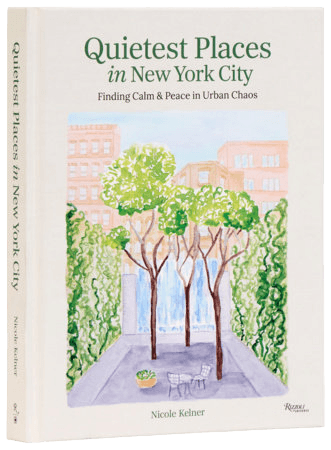
Nicole Kelner’s book Quietest Places in New York City is out February 24, 2026. You can pre-order it here.

Focused on the wonderful world of rewilding, Volume 5 sees us get into the weeds – and go beyond the ferns – with our green-thumbed cover star Zach Galifianakis, walk with wolves in Slovenia, create a wilder world in Denmark, find meaning in fashion, and much, much more.