Feeling anxious about climate change? Here are five ways to worry less while still doing your bit for the planet.
Last summer, record temperatures put roughly a quarter of the US population under a heat advisory. The same season, drought-induced wildfires forced thousands of people to evacuate their homes in Spain and Greece. Similar scenarios are playing out around the world.
Although many of us are adapting our diets, buying choices and travel habits, these efforts can feel like a drop in the ocean when it comes to the immensity and urgency of the climate crisis.
Known as climate anxiety, feelings such as fear, anger and powerlessness related to climate change are becoming increasingly common, particularly among young people. A global study published in 2021 found that 84% of children and young adults aged 16-25 are at least moderately worried about climate change, and 59% are very or extremely worried. This makes sense, as children and young adults will be disproportionately affected by the consequences of environmental changes.
It also makes sense that climate anxiety is distinct from other kinds of anxiety because the threat posed by the climate crisis is unprecedented. While established methods of dealing with anxiety can help, new approaches and initiatives are emerging that address the specific concerns stemming from awareness of a warming planet. Here are five ways to navigate climate anxiety and channel it into positive action.

Photo: Chris Abatzis
Feel it
Climate anxiety is a normal response to an existential threat and not a problem to be fixed, says psychologist Per Espen Stoknes. Having struggled with despair about the environment himself, his advice is to resist the temptation to fight anxiety and instead to feel it. “Accept it. Say hello to it.”
In fact, rather than being paralysing, anxious feelings can be highly constructive. Not only do they help build emotional resilience, but they can also serve as a powerful mobilizing tool.
“When I let those feelings flow through me, I feel sad, I can cry. I need to just get out, sit in nature, slowly get back to myself. And then, somehow, I feel more alive, and I try again,” Stoknes says.

Photo: Amy Woodward
Don’t go it alone
If your climate emotions are too much to deal with, share your concerns with trusted friends and relatives or join a support group. Real-world and virtual climate cafés provide an informal space to meet and talk to others experiencing the same emotions. Similarly, organisations like The Good Grief Network can help you process feelings related to climate anxiety and spark solutions.
For professional support, there are a growing number of climate-aware therapists. These are therapists who, like Stoknes, regard climate anxiety as a legitimate reaction to the state of the world and can provide insights, tools and techniques for coping with it.
RELATED ARTICLE

Touch grass
The intense emotions associated with climate anxiety can be draining. Getting outside helps. Time in nature is good for overall well-being and can help put worries about the future in perspective. Some doctors are so convinced of the health benefits of green spaces that they are giving their patients ‘nature prescriptions’. Regular time outdoors has been shown to decrease symptoms of anxiety, with one Finnish study finding that three to four weekly visits to a green space resulted in a 33% cut in the use of antidepressants.

Photo: Daniel Faró
Find your superpower
As uncertainty and a loss of control characterise climate anxiety, one of the best antidotes is figuring out what you as an individual can do. That doesn’t mean solving the climate crisis on your own. Rather, it’s about identifying your superpower – the specific knowledge, skills or behaviours you can contribute.
These can be small things. In fact, small is often the best place to start, says Mindy Hernandez, a behavioural scientist at the World Resources Institute. “Ask yourself, what’s one thing that feels very feasible that you have control over. Can you eat less meat one day a week? What feels possible? Then take that step. Psychologically, we tend to follow through on behaviors where we feel successful.” Check out our list of easy and sustainable swaps for tips on where to start.
As household behaviors account for an estimated 72% of global greenhouse gas emissions, a more sustainable future really does start at home. Hernandez adds, “Even if you feel incapable of changing your life, you can still vote based on your beliefs.”
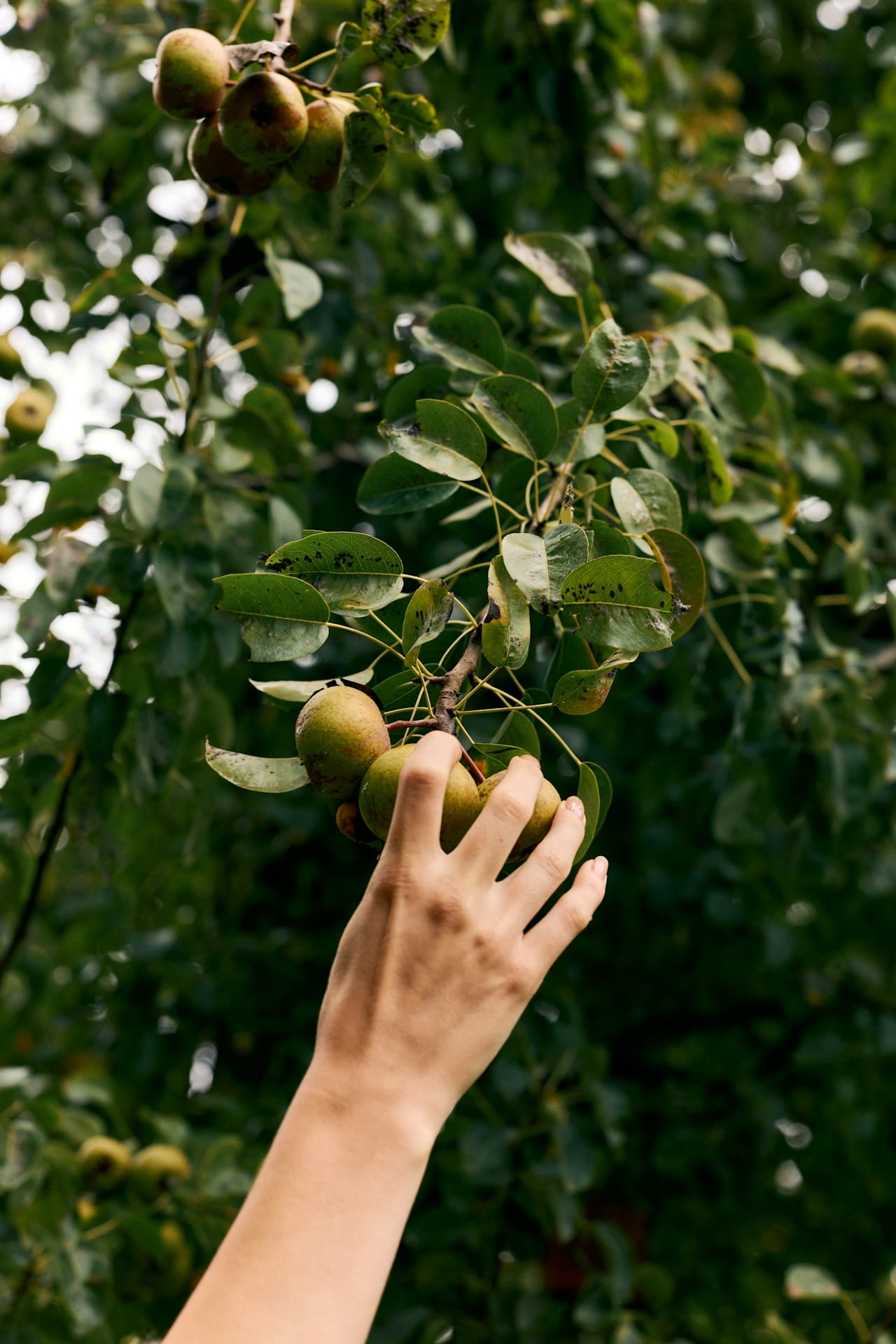
Photo: Daniel Faró
Take inspiration from others
While small, individual actions can together make a huge difference, the size and complexity of the climate challenge means that the effects will not always be immediately visible. Connecting with or hearing from others who are supporting climate action can be a source of inspiration and an important motivator when the pace of change seems slow.
The Drawdown Review compiles existing and proven climate solutions and explores critical ways to accelerate them. Meanwhile, Alaina Wood, a sustainability scientist, regularly shares positive climate news with her 350,000-plus TikTok followers – like scientists discovering an enzyme that can break down environmentally damaging plastics in as little as 24 hours. Or there’s Imagine5’s own Good News series, a monthly reminder that there are many reasons to be hopeful.

Cover star Madame Gandhi on the sounds of the Antarctic, free climber Alex Honnold reveals his biggest challenge yet, actor Rainn Wilson embraces his soulful side and much much more!