Think picture books are just for children? Oliver Jeffers proves that when it comes to learning how to be a good human on this planet, we can all benefit from going back to the basics.
Once upon a time there was a children’s picture book author who wasn’t like the others.
Sure, his books featured colorful drawings, heartwarming stories and funny animals. But the more books he created, the more they ventured beyond the familiar territory.
One of his picture books even came complete with a multi-page essay in the back. How many picture books do you know of that come with a bedtime essay?
Instead of sticking to the realm of lost teddies or tigers having tea, he began to take on the big existential stuff, like our position as humans on this planet, and how to change our current trajectory.
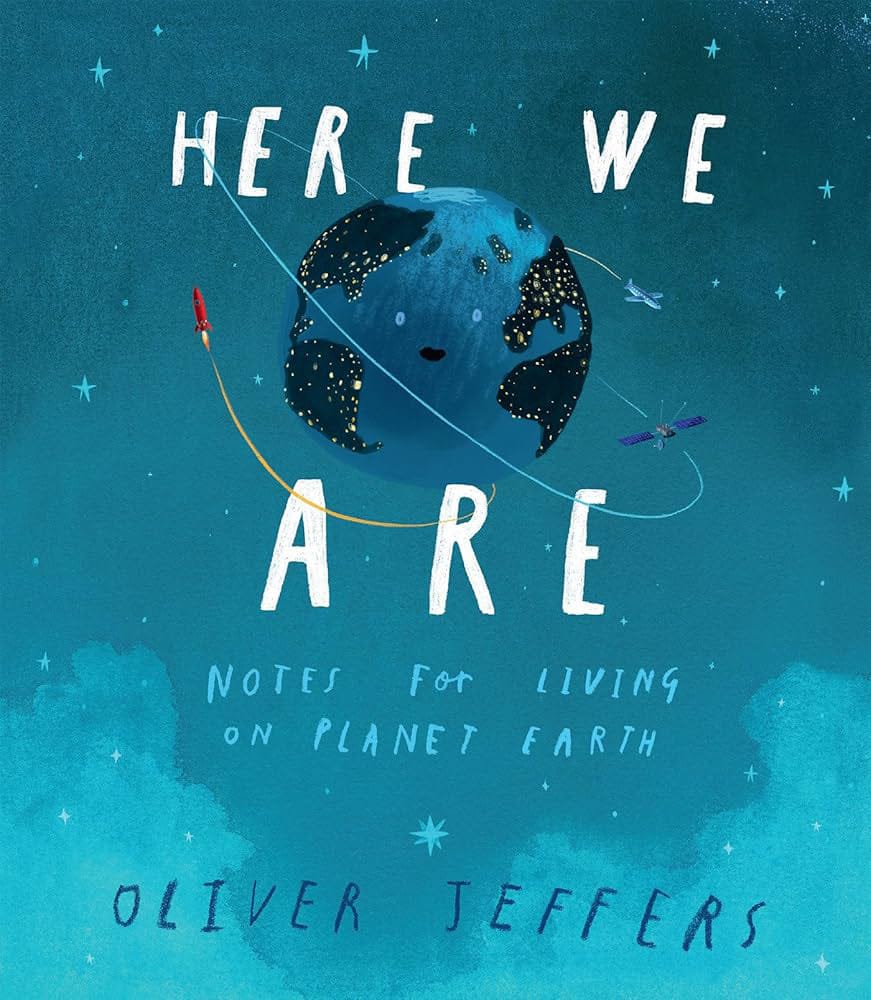
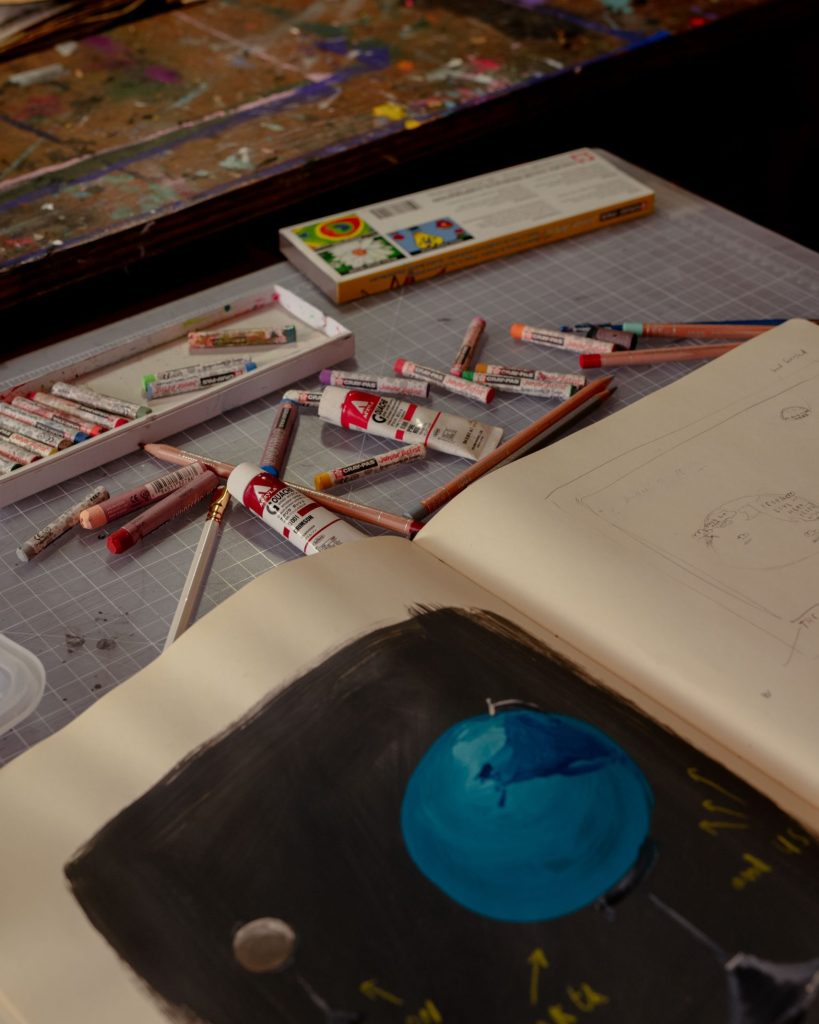
Here We AreDive into Oliver Jeffers’ big-picture worldview for yourself in his book Here We Are: Notes for Living on Planet Earth, inspired by the birth of his son. A story for young and old, exploring the many wonders of this incredible planet and all that inhabit it.
Clearly these books weren’t just for children. They were for parents, for grandparents, for anyone.
The author in question is Oliver Jeffers and his change in focus came when he first became a father and was struck by “the magnitude of the responsibility of teaching somebody who’s just arrived here everything they know”. He realized that this was also a huge opportunity.
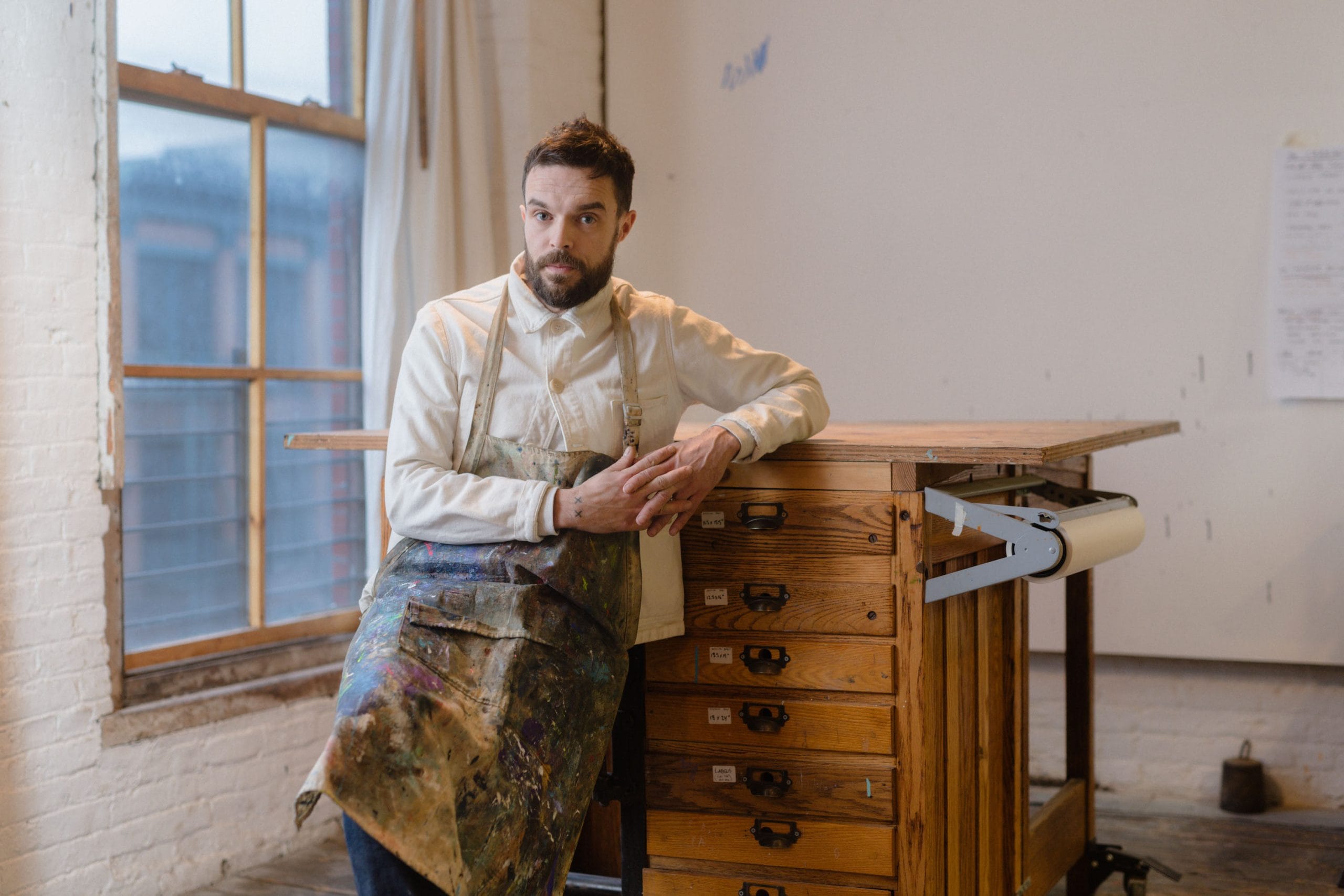
“It forced me to look at the world from a totally different perspective,” and “encouraged me to speak up about things that I felt were worth saying,” he says, from his studio in Belfast, Northern Ireland.
“We all arrive here on Earth as unwritten stories,” he continues. This realization made him think about the stories we tell ourselves, the stories we hand down and the stories he wanted his newborn son to grow up with.
RELATED ARTICLE
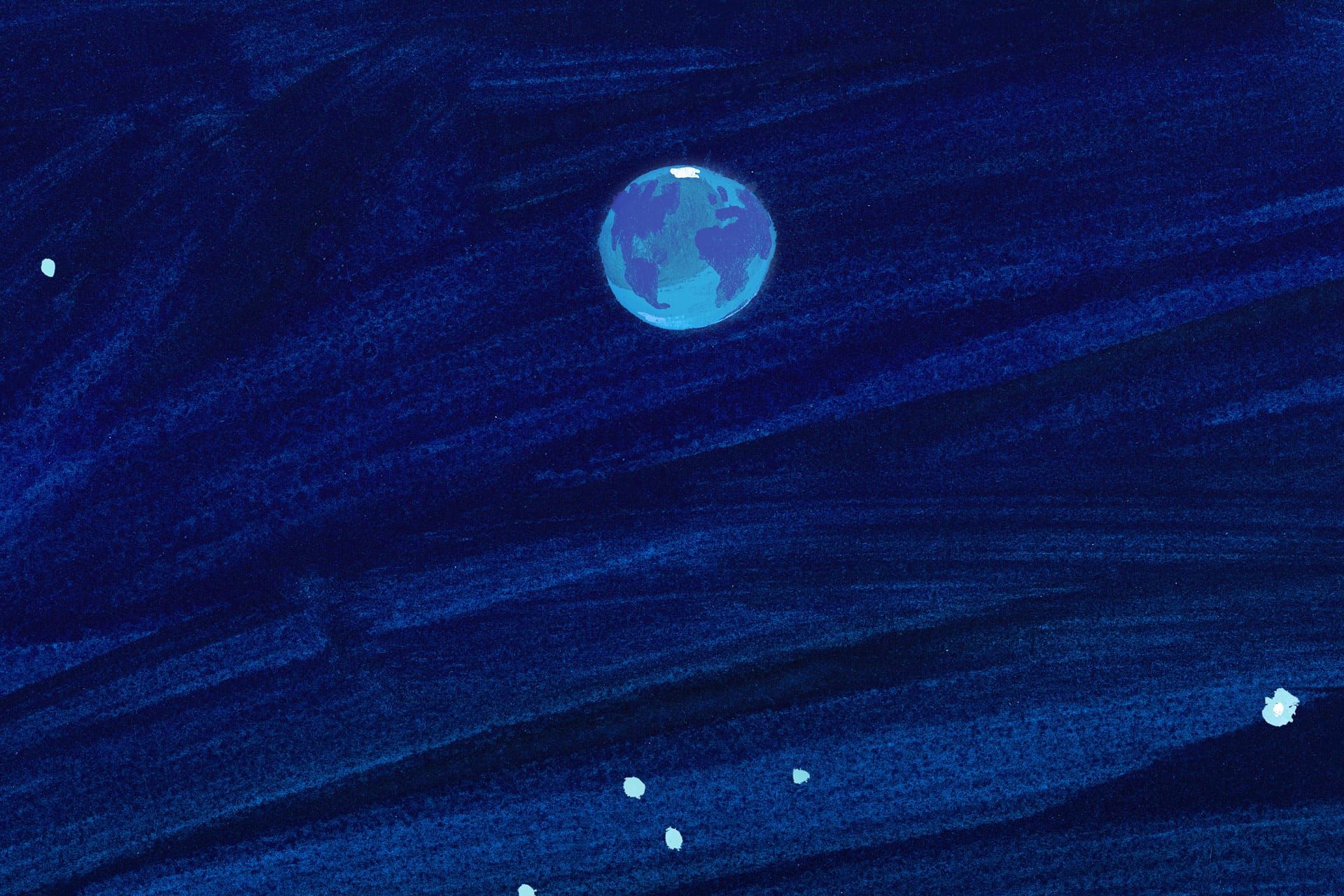
It’s what sparked his book Here We Are: Notes for Living on Planet Earth (2017), which opens with an astronaut’s view of the Earth, inviting readers of all ages to gaze in wonder at this “big globe, floating in space, on which we live”.
The book takes inspiration from something known as ‘the overview effect’ – and describes the impact of looking down at the Earth from above and the profound sense of its fragility and interconnectedness that this brings.
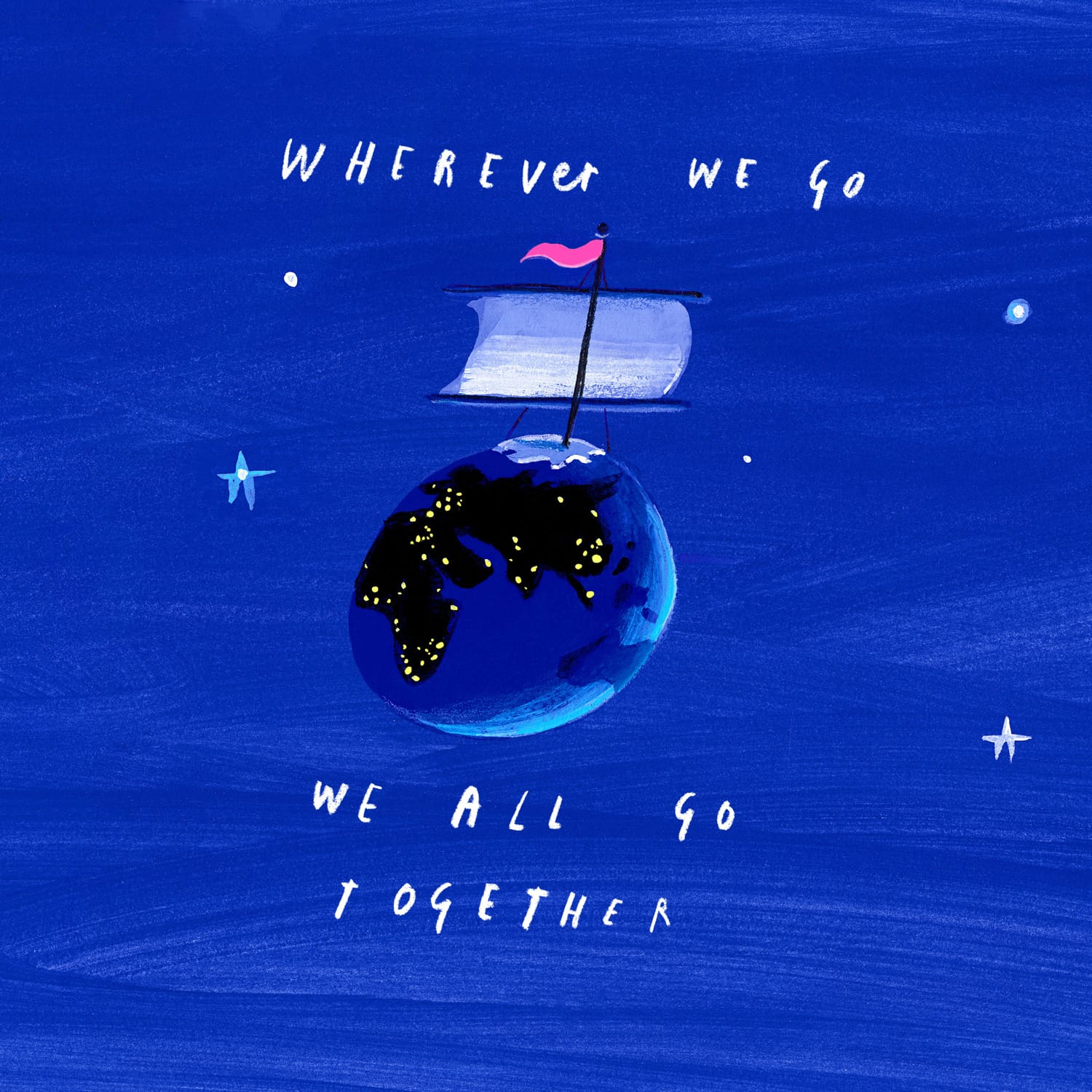
This unique vantage point also highlights the futility of trying to tackle global problems like the climate crisis in isolation. “If one country doesn’t embrace climate change, like the American administration seems to be doing, it’s akin to having a no-smoking section in an airplane. It’s ineffective because what happens to one will happen to all,” Jeffers says. In that sense, he doesn’t believe it’s climate change itself that is our biggest issue. It’s disunity.
He hopes the book can help us experience the overview effect for ourselves, originally creating it as “a guide to understanding our planet at a time that felt angry and scary, but pointing out the beautiful, simple, hopeful things”. He does this in page after page of gorgeous illustrations, enchanting us in a poignant reminder of how special this miraculous lone bubble of life that we call Earth is. Because ultimately, if you want people to care about the world, they have to fall in love with it.
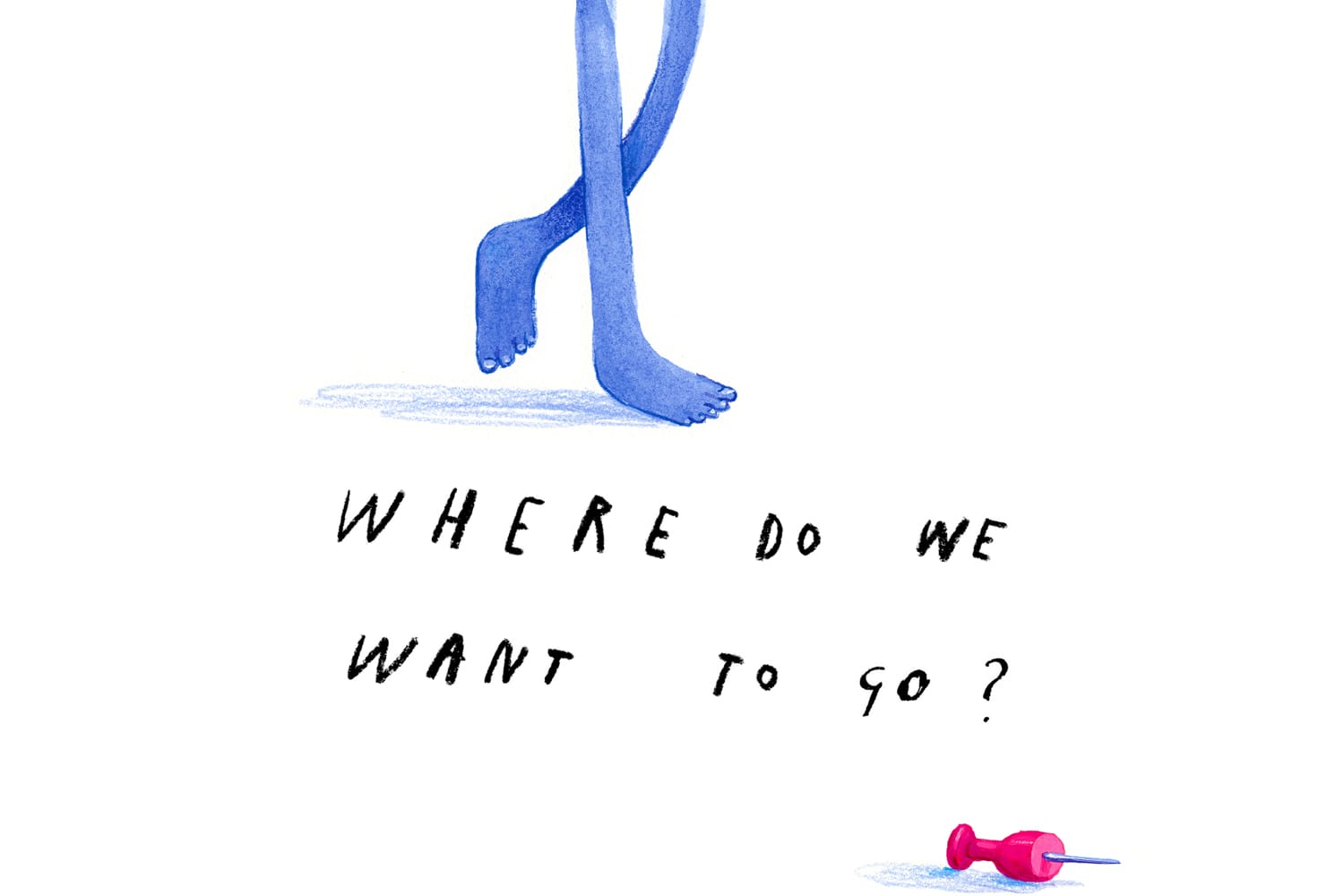
Similarly ambitious in scope is Begin Again (2023). Published after the birth of his daughter, it covers nothing less than the entire history of humanity, from the time “we first emerged on dry land, stood on two feet, put one in front of the other and kept walking”. In just a few brief pages, after the invention of fire, stone tools, the phone and a rocket, we arrive at modernity and what’s wrong with it, “Feet running one in front of the other towards easier, faster, newer, cheaper”.
Jeffers ends on a vision for a distant future, “when we no longer need to burn the ship we are sailing on to propel us”. It’s classic Jeffers, revealing his ability to spell out our situation with unparalleled clarity in a single image.
“How do we go from being passengers to crew members of this spaceship Earth?”
So how can we change course? Being told that “it’s all broken and that we’re doomed” certainly won’t do it. Instead, we need better stories, he argues.
The narrative shift required involves asking ourselves: “How do we go from being passengers to crew members of this spaceship Earth?” He sums up the mindset of a passenger with: “What’s in it for me, What can I get, What can I take”, whereas a crew member actively asks: “How can I help? What can I do? Where am I needed?”
It’s a mentality he’s also raising his kids with. “It’s mostly about, how can they be a good person? How can they contribute to society in a meaningful and helpful way? I think what we can do is just keep showing up and being tolerant and respectful”.
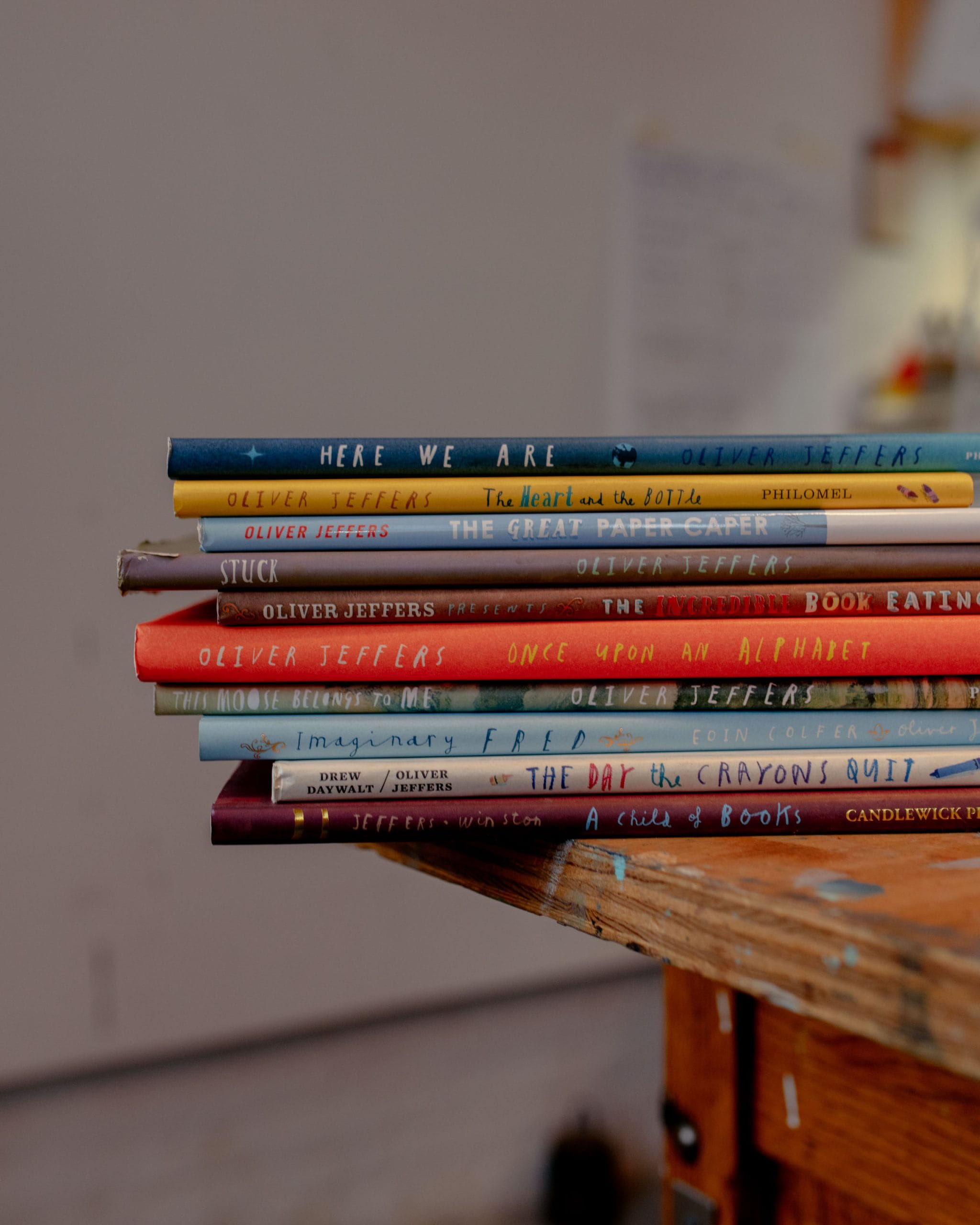
Well-thumbed favorites
His own Belfast childhood and youth, growing up amid the conflict in Northern Ireland, means that he has seen what intolerance does, and the resulting “tragic waste of life and energy”. It’s also proof that we can overcome serious obstacles, and he remains optimistic about humanity at large: “I think the world is filled with fundamentally good people. Nobody wants to be evil,” he says. “If you think about it, we all just get this one brief go at being alive, and how is it you want to spend it? Is it being angry at other people? Or is it celebrating beauty and joy?”
And with these words, Jeffers lands on what feels like the perfect narrative for now. A more hopeful story that can inspire humans big and small. Because how this ends is up to us. Sometimes you just need the bigger picture to see that.
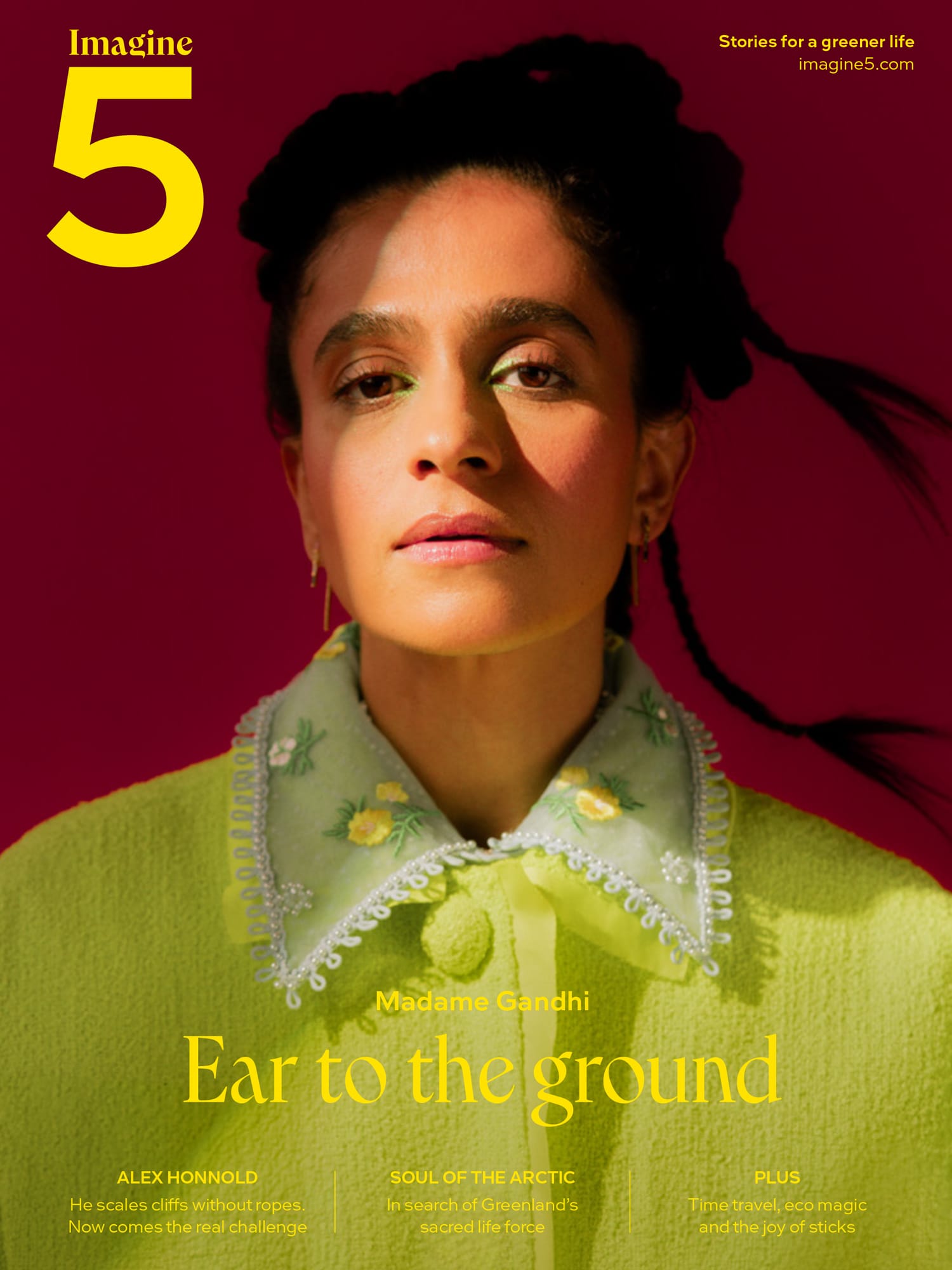
Cover star Madame Gandhi on the sounds of the Antarctic, free climber Alex Honnold reveals his biggest challenge yet, actor Rainn Wilson embraces his soulful side and much much more!