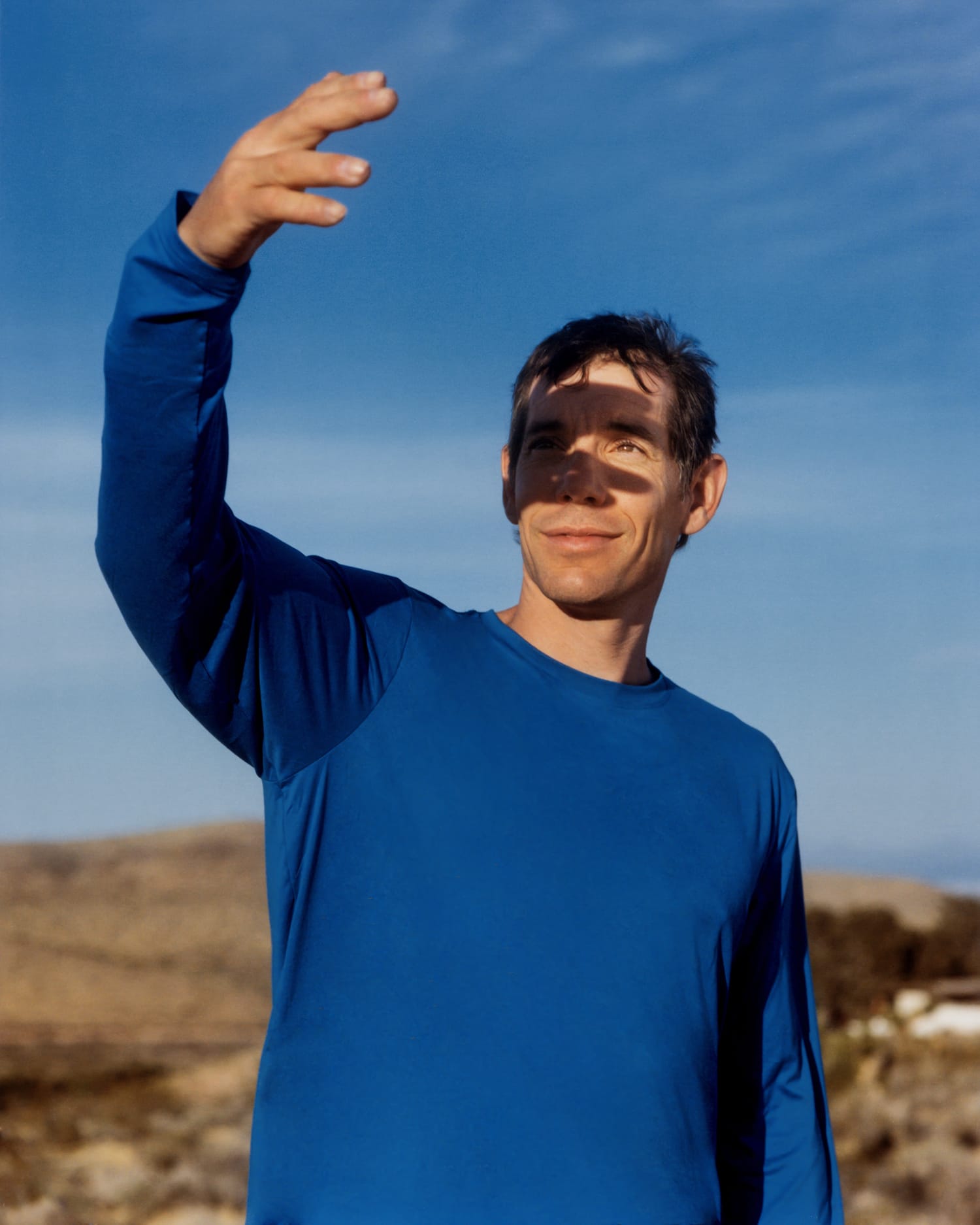
When you’ve done the things that Alex Honnold has done, the word impossible starts to lose its sting. We spoke to the legendary free solo rock climber about family, fear and fighting for clean energy.
It’s perhaps unsurprising that Alex Honnold is an optimist. To climb thousands of feet of blank vertical rock without a rope – as he does for a living – would require either indefatigable optimism, or extreme nihilism.
Honnold is the world’s leading “free solo” rock climber, a niche subset of rock climbing where practitioners scale rock walls, oftentimes hundreds or even thousands of feet high, without using a rope, harness or any other protection.
No margin for error. If he makes a mistake, he falls. If he falls, he dies.
Honnold began making waves in the climbing community in the late 2000s, free soloing historic climbing routes in Yosemite Valley, California, while living out of a van. He became a household name in 2017, after his ascent of El Capitan (at nearly 3,000ft, one of the tallest rock faces in the continental United States) was covered in an Academy Award-winning documentary, Free Solo.
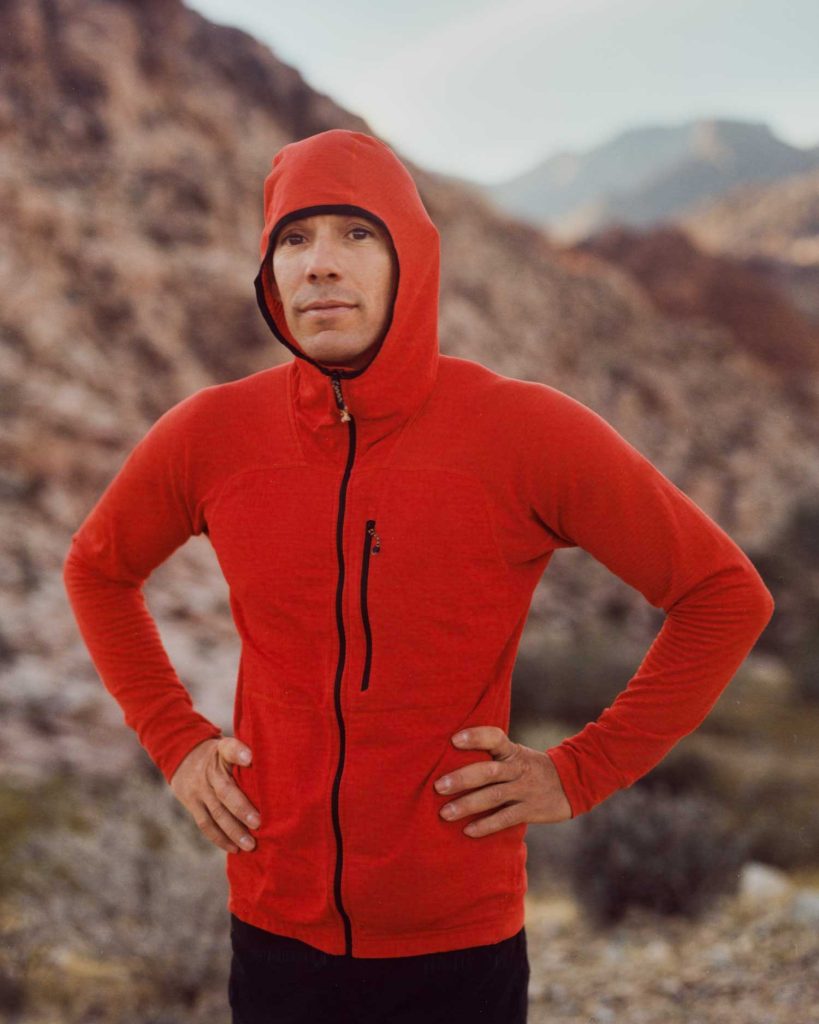
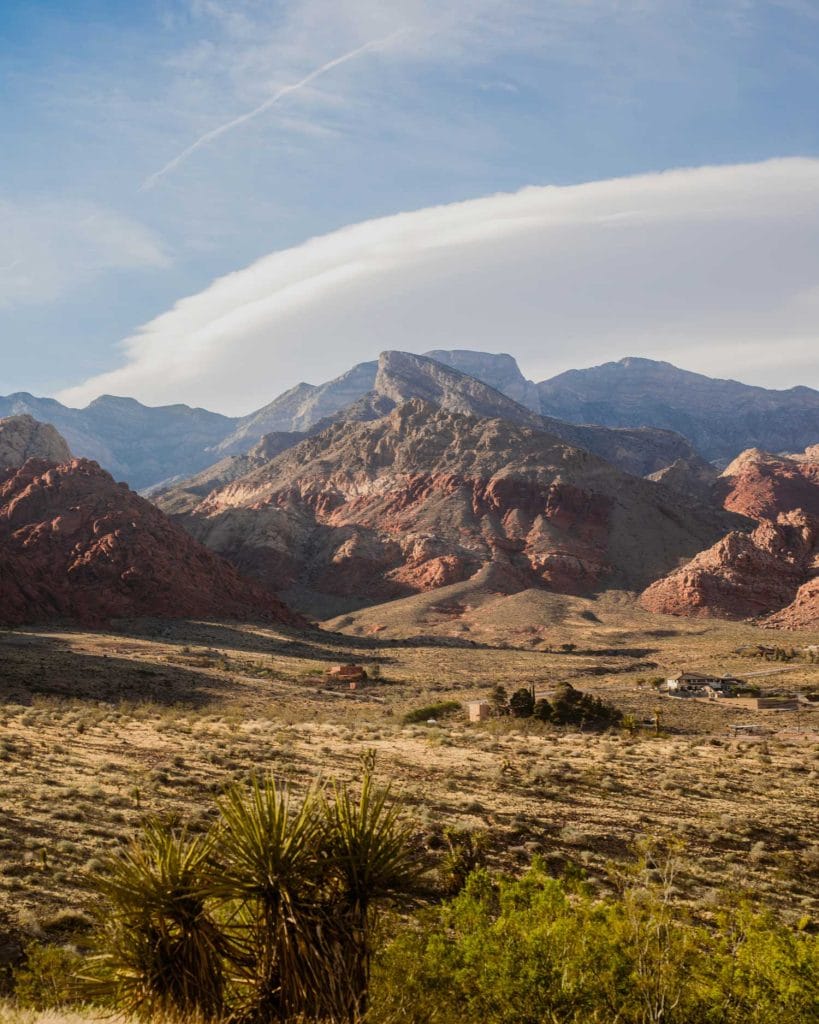
Despite specializing in what was once seen as a weird, irresponsible sideshow to the real business of climbing, today the 40-year-old American is the world’s most well-known rock climber by a significant margin. He’s come a long way from his van-dwelling days: he now owns a house and is married with two young daughters.
Honnold’s day-to-day life, however, is not that dissimilar from the old days. There is a bit less time for rock climbing and a bit more time for diaper changing, but he still trains five days a week. On his rest days, he juggles everything else – two podcasts, movie and television projects, and no shortage of sponsor obligations.
What many people don’t know is that for more than a decade, Honnold has given a third of his annual income to charity. He is the founder of a nonprofit, the Honnold Foundation, which supports solar energy projects in impoverished communities. In 2023, it donated more than $3 million to such causes, and in recent years has supported over 200,000 beneficiaries across 25 countries. Honnold isn’t just an athlete who cashed in on his fame. He’s giving back in a big way.
In the years since the release of Free Solo, Honnold has achieved widespread fame and fortune. But his decision to give away a third of his income pre-dates all that. He’s been doing it since 2012, when he was still in that van, living the ‘dirtbag’ life, as we in the climbing community affectionately call it.
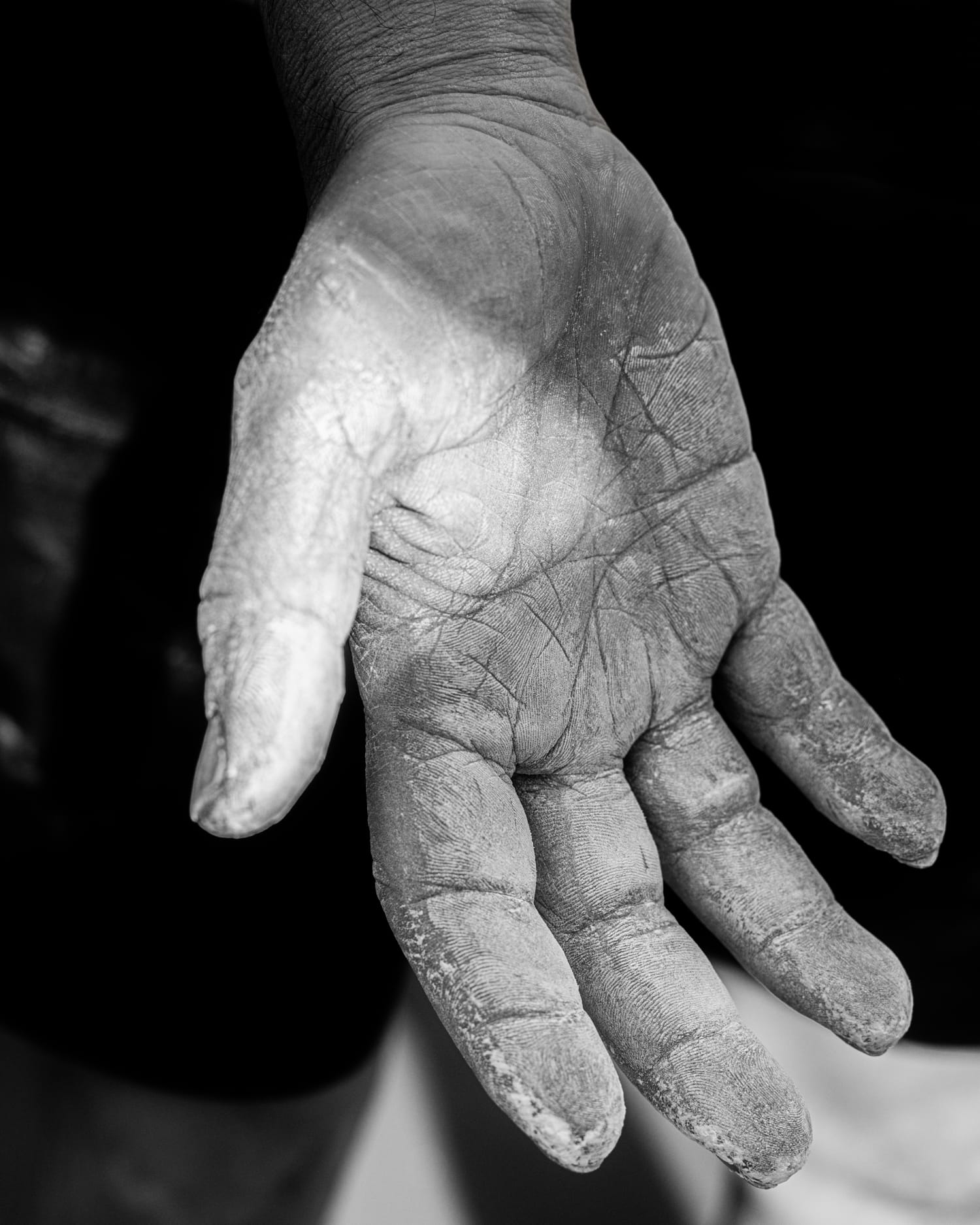
“As you can imagine, my overhead was quite low,” he admits, laughing, “but I was making more than I needed.” He also saw, as a public figure, “a weird mismatch between what society does value and what it should value.”
He gives an example: “In two days, I can make more money shooting one commercial than my sister can in three years teaching public school. That’s not right. There’s no justice in it. I felt one way to address that inherent unfairness was to give the money back to causes that matter.”
Solar was an easy cause for Honnold to get behind. “I gravitated towards clean access, specifically solar power, because I believe energy access is a basic human need,” he explains. “There are almost a billion people on Earth that don’t have access to energy, and there are also something like a billion people on Earth living in poverty. Those groups are tightly linked.” Solar energy, once accessed, isn’t just environmentally friendly. For much of the developing world, it’s also the cheapest, most efficient power source available.
RELATED ARTICLE
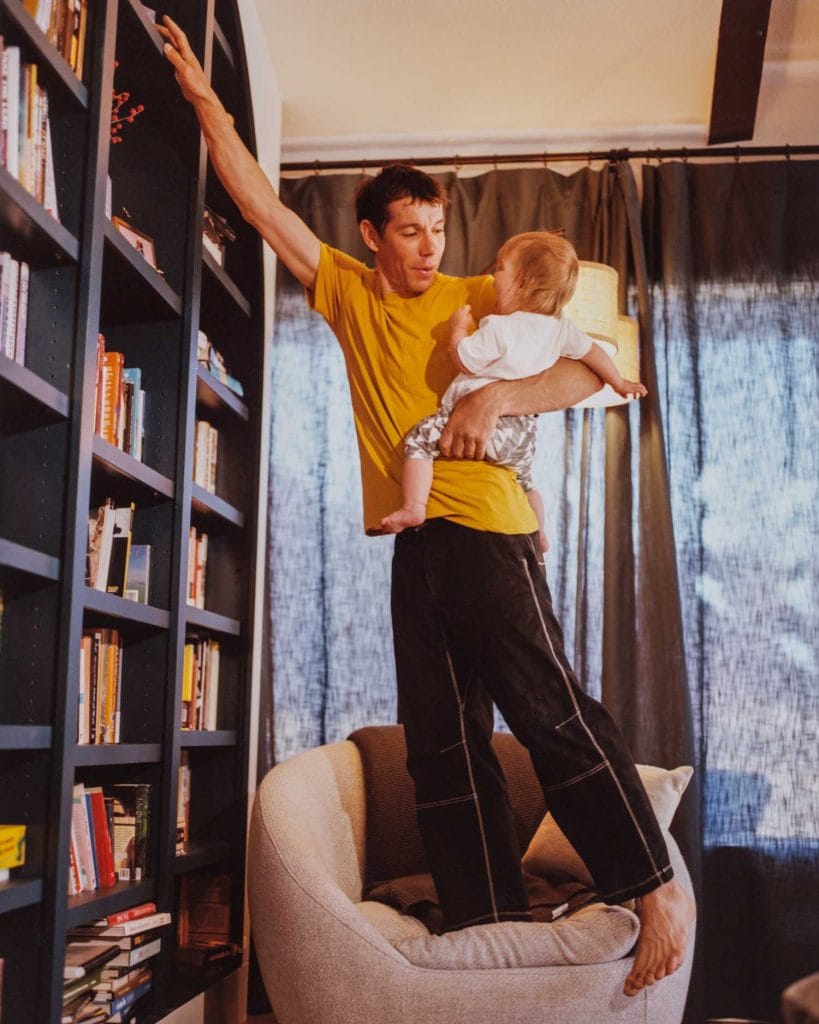
As one quickly learns when speaking to Honnold about renewable energy and climate change, he is far more than an athlete. He is thoughtful and articulate, a voracious reader, and far from the heedless daredevil some might imagine. (When I first met Honnold two years ago, I showed up at his house on a motorbike. I recall him coming outside wide-eyed, uttering something like, “Man, I’d never get on one of those things.” Go figure.)
Honnold has been a staunch climate advocate since his youth. He says having kids hasn’t affected his penchant for free soloing (“I didn’t want to die before, and I still don’t want to die now,” he jokes). But did bringing kids into the world change the way he thinks about climate and the future?
People often ask him this, he says, and the answer is a resounding “No.”
“It’s weird to assume someone would only care about the future because they have kids”
In fact, he believes this line of thinking is part of the problem. “I reject the premise of the question,” he says. “It’s weird to assume someone would only care about the future because they have kids that will grow up in it.”
He also makes the point that, coming from a high-income family in a developed nation, his kids won’t be those most affected by climate change. “Yeah, maybe my kids will never get to snorkel the Great Barrier Reef because it’ll be gone,” he says, “but realistically, they’re going to grow up in comfort and affluence compared to most of the world. I’m not worried about my kids. I’m worried about the billion other people on Earth exposed to heat and drought and famine.”
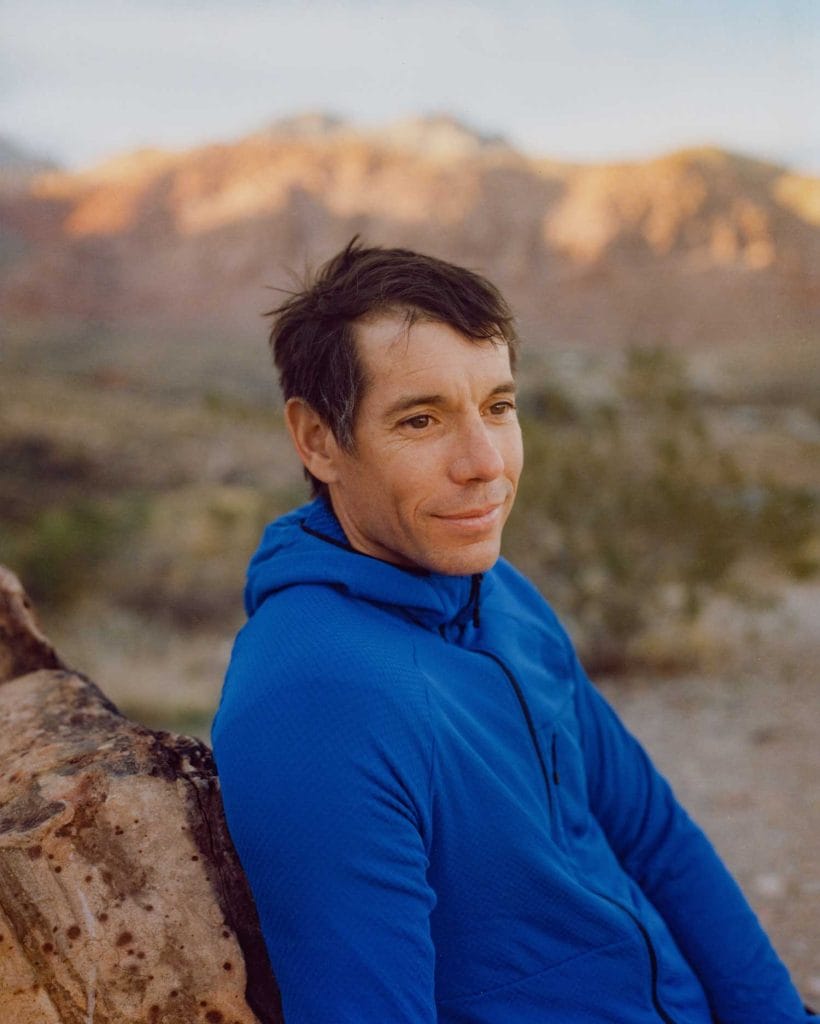
Insane challenges
Honnold is an unlikely hero, transitioning from vagabond to extreme sports superstar to climate advocate and nonprofit headman. But he says there is a close link between the intimidating nature of starting up a rock face alone, without protection, and advocating for the clean energy transition. “If you want to do a big, crazy thing, you’ve got to just start doing it,” he explains. “You just try. You start working on it. You start chipping away.”
Honnold has made big, crazy things his specialism – the biggest and craziest being, of course, El Capitan. But don’t misunderstand him when he says “you’ve got to just start”. He did not simply show up at El Capitan and decide to free solo it. He prepared, painstakingly, for years. He broke the 3,000ft wall into manageable chunks and climbed it with ropes, training on each section over and over and over.
“With the global environmental issues we’re facing, it’s the same,” Honnold says. “They seem daunting. They’re insane in scope. And yet, we all can still chip away at them together. We each choose a little part and work on that, and find some other people to work on something else. We can tackle these problems.”
In the current era, it’s practically in vogue for climate activists to feel jaded and burnt out. Temperatures are breaking records like clockwork, and in 2024 the planet blew past the 1.5°C target established in the Paris Climate Agreement in 2015.
But Honnold is anything but hopeless. “It’s true that if you only look at current news, it’s pretty depressing,” he admits. “But I’ve always stayed optimistic, because humanity hasn’t even tried yet. There are a lot of individuals trying quite hard on some issues, but as a collective, it does not feel humanity has made it a priority to stop emitting carbon.”
So why hasn’t humanity mobilized effectively?
Honnold believes there are a few reasons. “Environmentalists often complain about misinformation and dark money and evil lobbying,” he says. “I’m sure that contributes. But one of the bigger issues, which isn’t as well addressed, is that a lot of people just don’t have the bandwidth. They are simply too poor. Until someone’s basic needs are met, they cannot afford to care about the environment, and that’s understandable.”
This is a key aspect of the Honnold Foundation’s approach to solar energy projects. The chief goal isn’t necessarily to decrease a community’s carbon footprint. It’s to lift people out of poverty, to improve quality of life and to provide access to affordable energy. Solar power is simply the best option for that. The reduction in carbon emissions that comes with it, is an added benefit.
In the same vein, Honnold believes the biggest false narrative regarding the environment, at least in the United States, is that it’s a partisan issue. It’s not. “Almost everybody cares about the environment to some degree,” he says. “Everyone wants clean, healthy outdoor spaces. They might get a little bit confused about messaging, but in general, big swaths of wild nature are inspiring to everyone.”
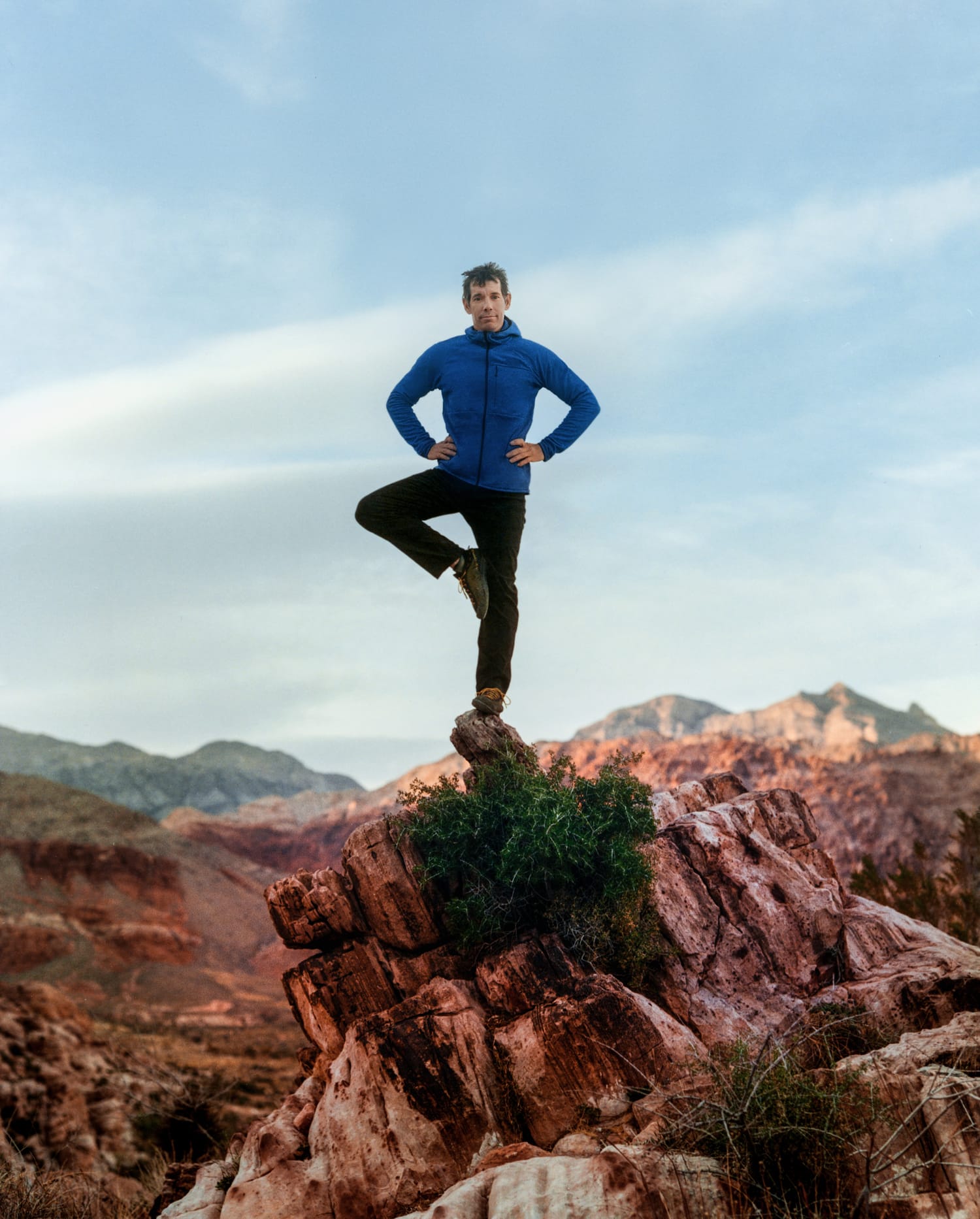
No more purity tests
For concerned citizens looking to make a difference, Honnold has a couple of recommendations beyond the usual hallmarks (going vegan, switching to an electric vehicle…).
One of the most impactful choices, he says, is taking your money out of large multinational banks and investing it into a local nonprofit credit union instead. “Whatever money you have in a bank, is being used by that bank,” he says. “It’s being loaned out to do all sorts of things, fracking, oil pipelines… big banks finance fossil fuels quite a lot.” (The world’s largest banks have contributed nearly $7 trillion to fossil fuels since the Paris Agreement.) “Put your money where you want it to be used, in your local community.
Honnold’s other recommendation is to remember that environmentalism isn’t a zero sum game. “You don’t have to decide to go vegan,” he says. “You can just eat less meat. It doesn’t have to be dogmatic. Eat meat less. That’s still better than eating it more.” Honnold is mostly vegetarian, but eats meat on occasion, when traveling or when other options aren’t available. “I’m aware that [meat] has a much worse impact on climate,” he says. “But if I’m vegetarian 95% of the time, that’s still 95% better than if I was eating a burger every day.”
These “purity tests,” often part and parcel to the environmental movement, are to its detriment, Honnold says. By gatekeeping environmentalism, all we’re doing is turning people away. “People are like, ‘If you fly, you don’t care about the planet.’ Come on. You have to accept some realities of the modern world,” Honnold says. “Right now, the world mostly operates on fossil fuels. If you’re going to interact with that world, sometimes you’re going to be burning fossil fuels. That’s fine, as long as you’re working towards the transition.”
In short, you have to break a few eggs to make an omelette. “Solar panels right now are manufactured largely using fossil fuels,” Honnold says. “But after a few years, each panel generates enough clean power to offset their production, and they still have a lifespan of 20 years or so, generating clean energy after that. That is how you build the transition. Yes, it will be powered by fossil fuels for at least another decade. But, lo and behold, one day it won’t be. People will be like, ‘Oh, how did that happen?’ It happened because people worked hard for 25 years and it changed.”
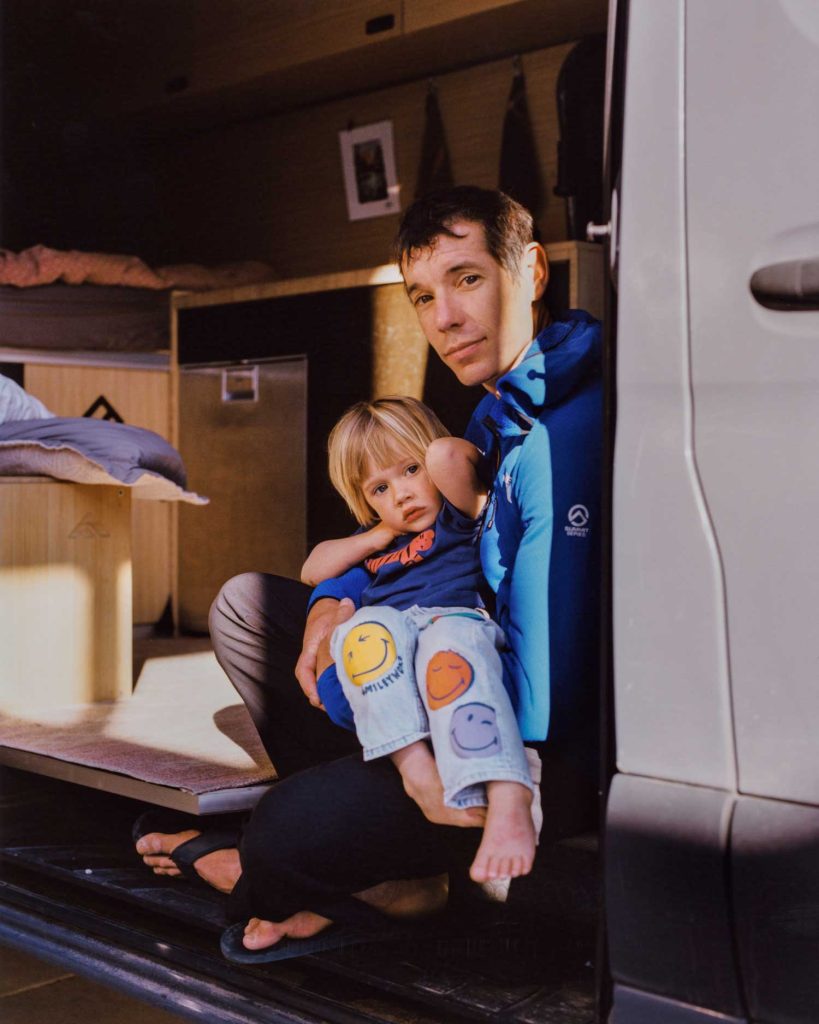
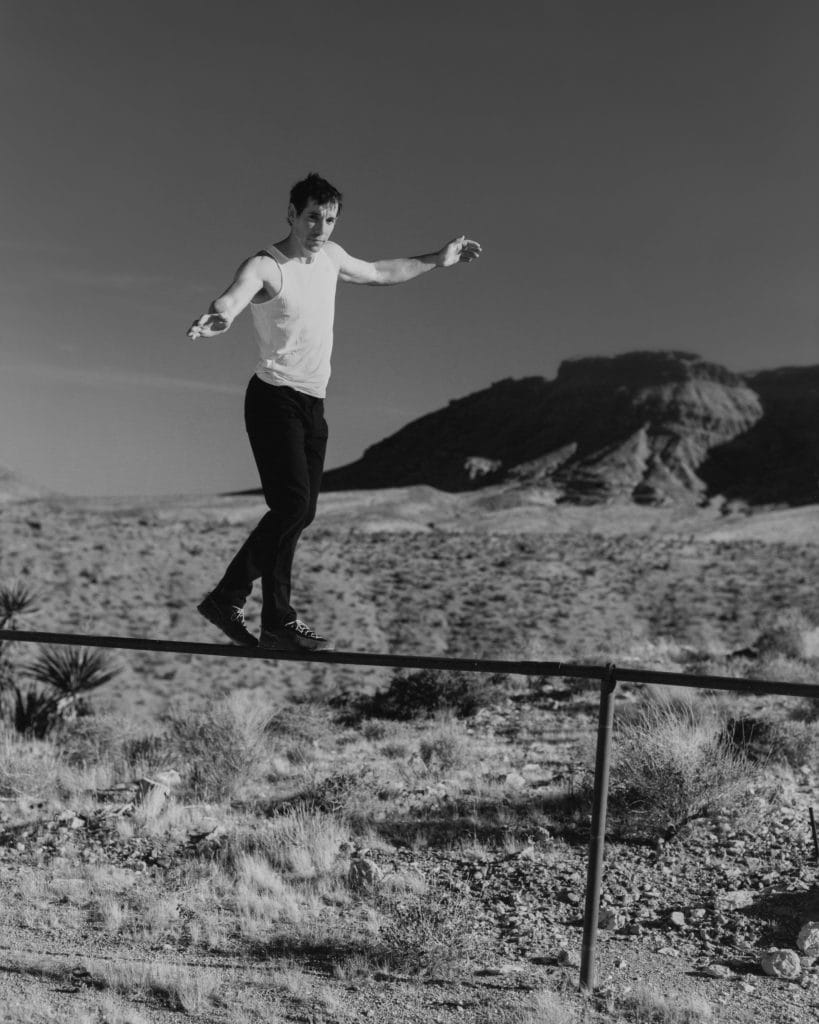
Before I left his house, I ask Honnold one last question. If he controlled the world’s media outlets, the newspapers and magazines and social media profiles and podcasts and TV shows, how would he report on the climate?
He has a ready answer.
“I would reframe modern environmentalism as an inevitable change towards renewable energy,” he says. “Because it is. That’s the reality. Instead of this polarized issue, back and forth, What’s happening? Should it happen? I’d frame it as: This is happening.”
“Even oil industry executives accept that we won’t be driving gas cars by the end of the century,” he adds. “It can be a slow transition or a fast transition, but either way, it’s happening. So let’s get on board. The train has left the station. Let’s do it in 10 years instead of 50 years. If we do it in 10 years, we may avoid the worst impacts of climate change, and a lot of the natural world might survive. If we don’t transition for 50 years, we’re going to wind up in the same place [with no more reliance on fossil fuels], but everything around us will be dead.”
He makes it sound simple. But Honnold is the first one to admit that it’s not going to be easy. “There’s a lot of money tied up in the status quo, a lot of inertia.” But just like climbing a 3,000ft rock face, all it requires is a bit of optimism, courage, and taking things one step at a time, grabbing one handhold after the next.
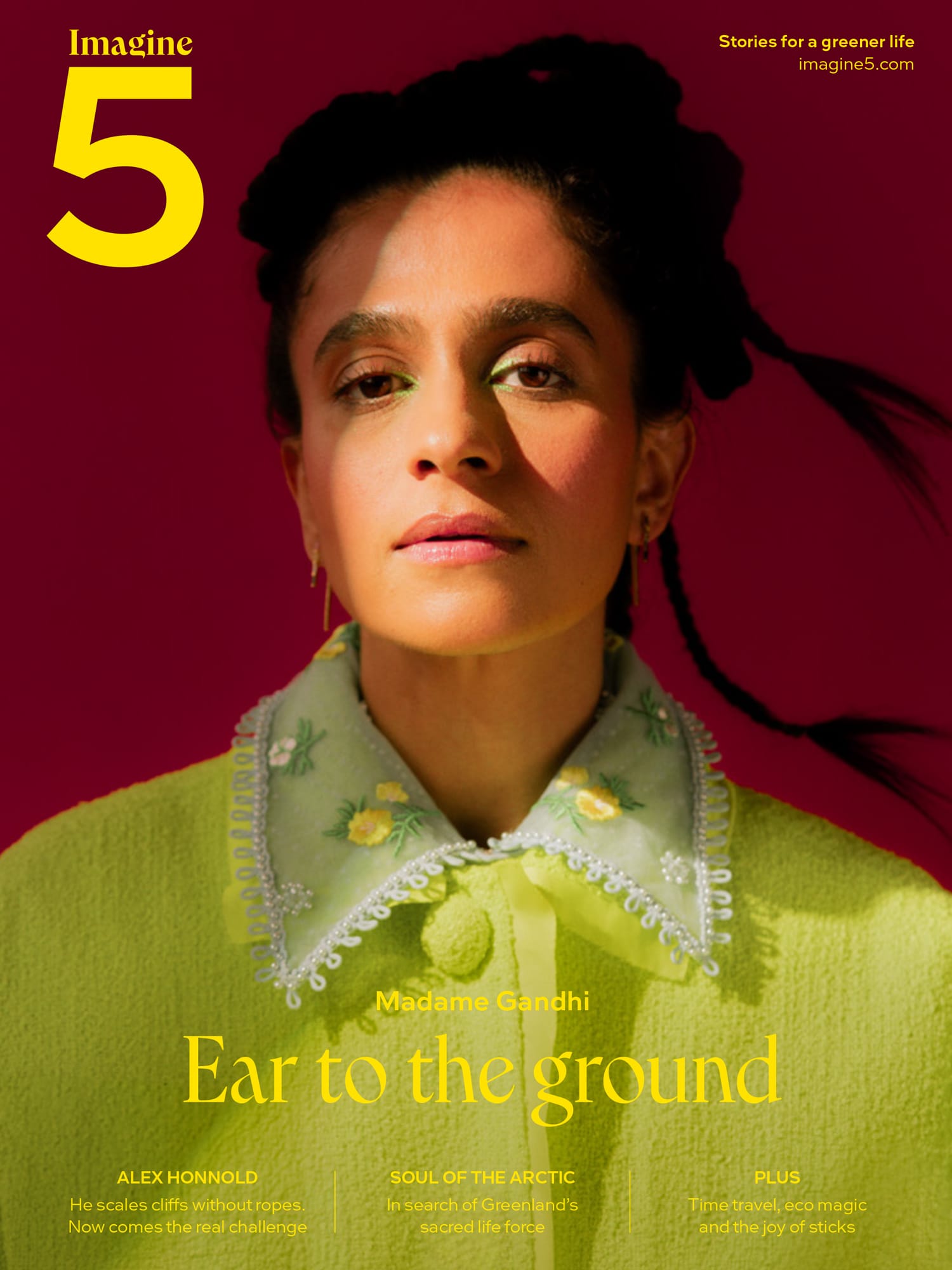
Cover star Madame Gandhi on the sounds of the Antarctic, free climber Alex Honnold reveals his biggest challenge yet, actor Rainn Wilson embraces his soulful side and much much more!