Extraordinary places, and the extraordinary people who look after them.
Humans may be the biggest threat to the world’s rainforests, but they’re also the best hope to protect them.
All around the world, Indigenous communities defend and care for the natural world that sustains them. So making sure these people have what they need to protect these vital places to their best ability, is a powerful way to help people and planet at the same time.
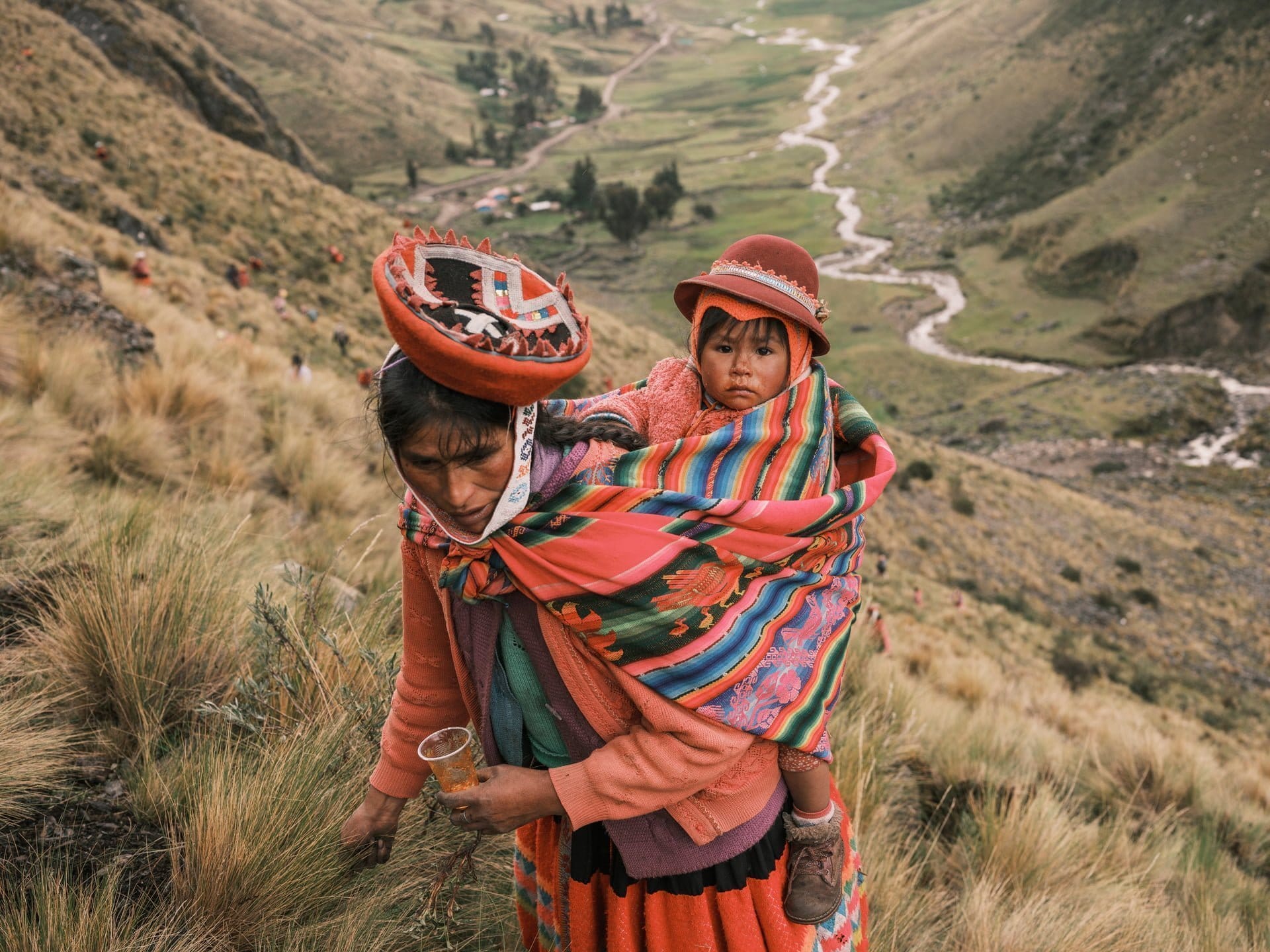
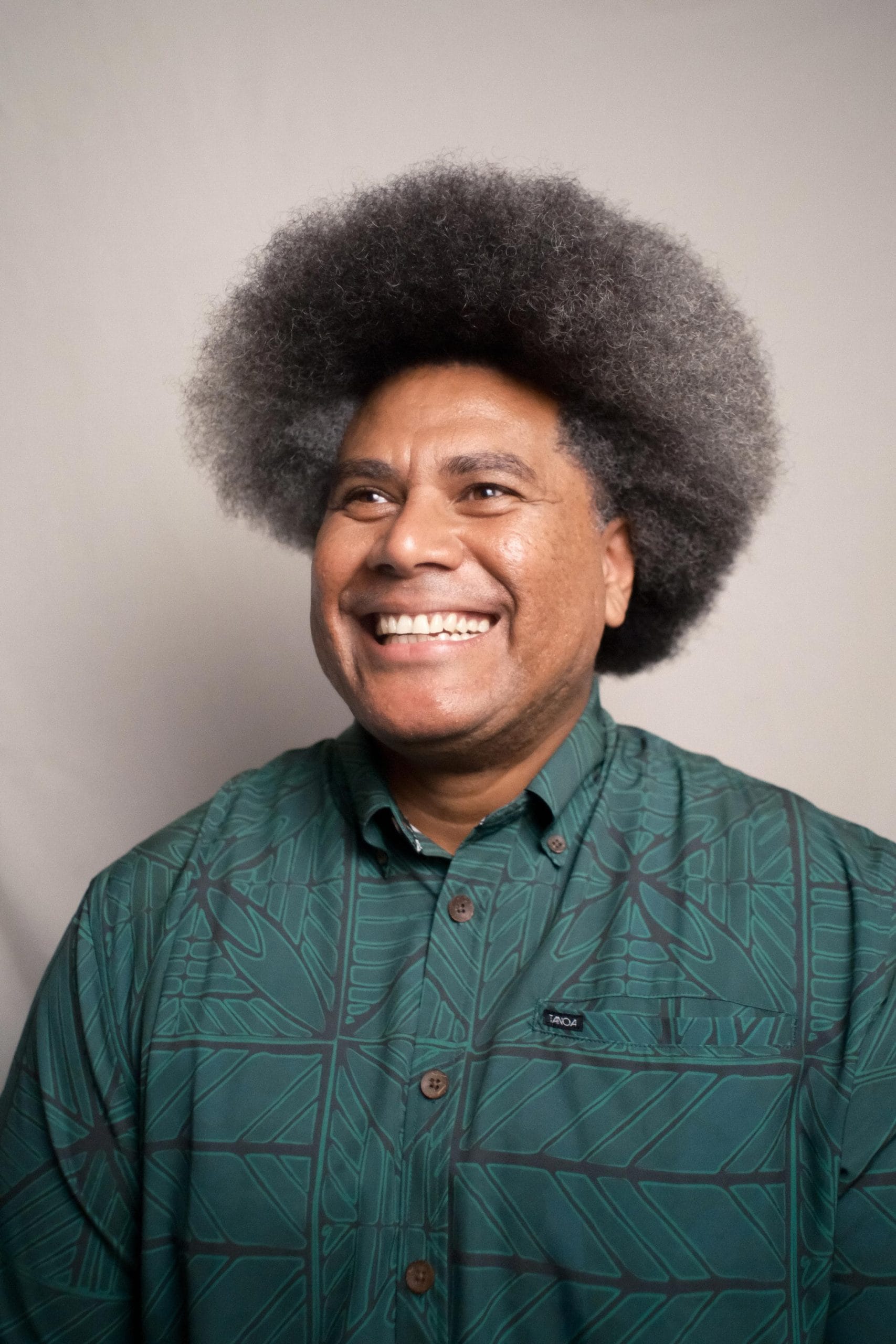
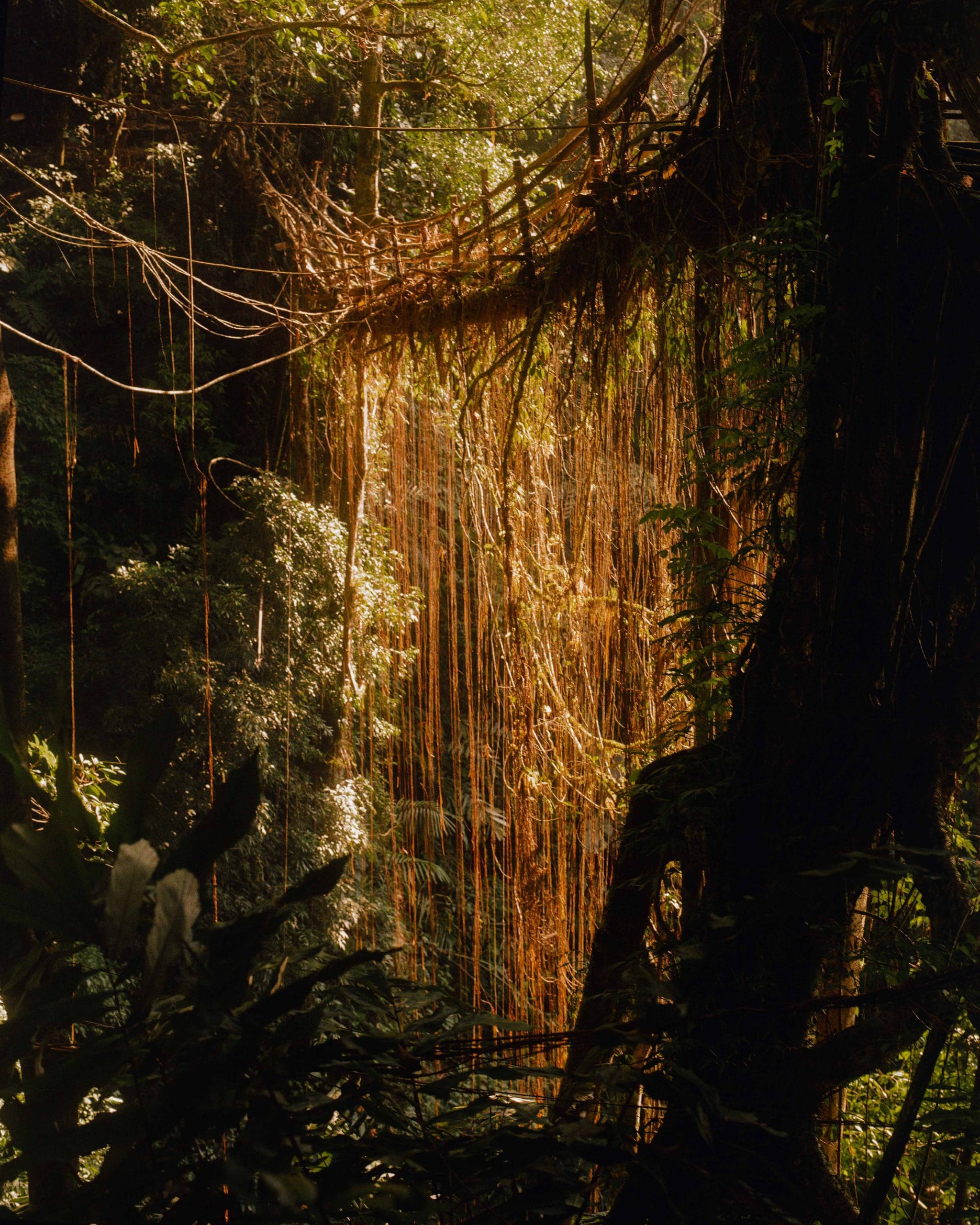
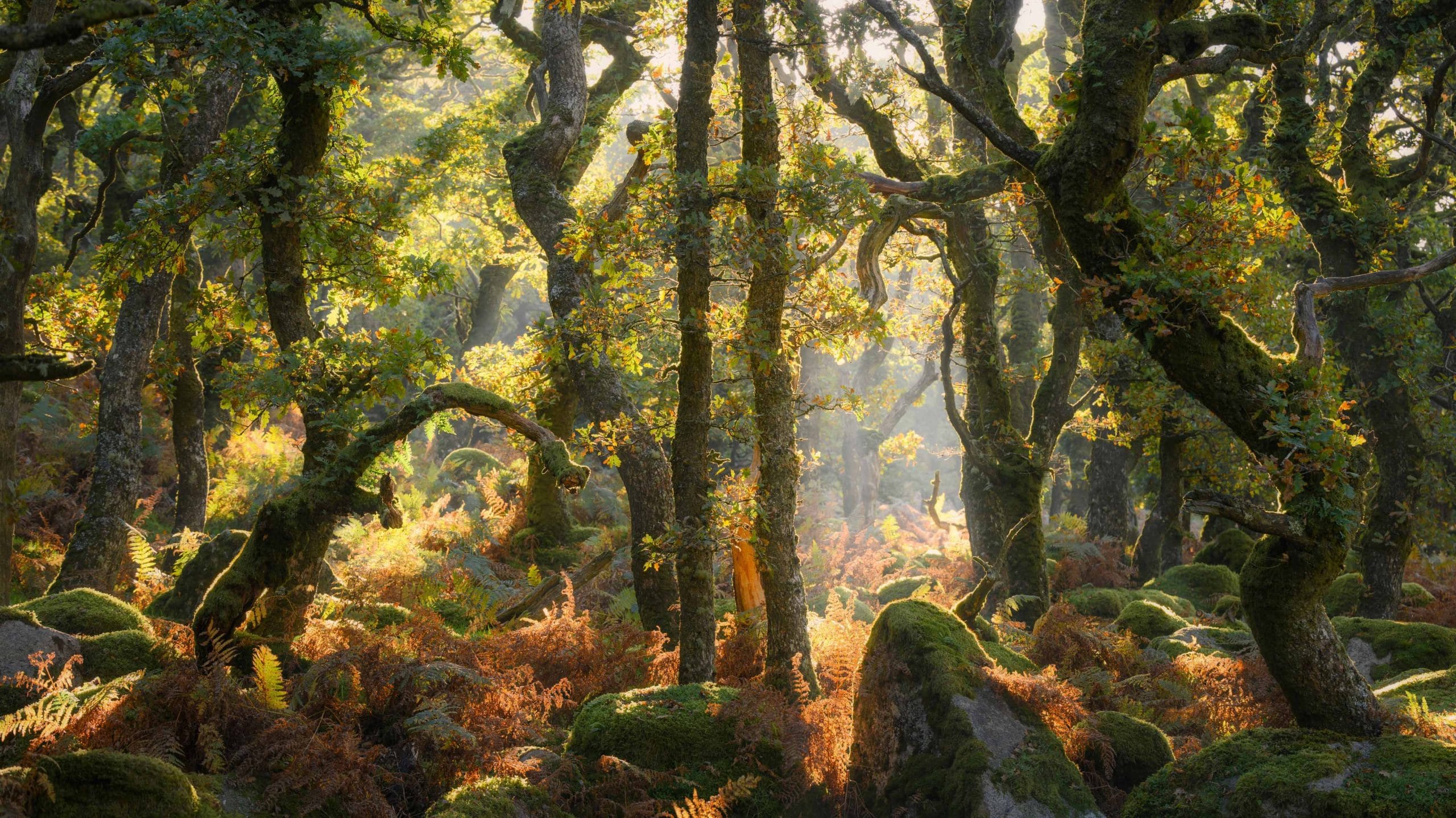
These vibrant photographs of Indigenous communities – and the wildlife and landscapes that they protect – were captured by German photographer Stefan Dotter in Borneo, Madagascar and the Brazilian Amazon. These groups have all worked with a nonprofit called Health in Harmony, which is based on the belief that Indigenous communities are the most effective defenders of nature. Health in Harmony’s work is rooted in listening to the needs of local people, then working to meet those needs, which then gives communities the stability and freedom to better protect the natural world around them.
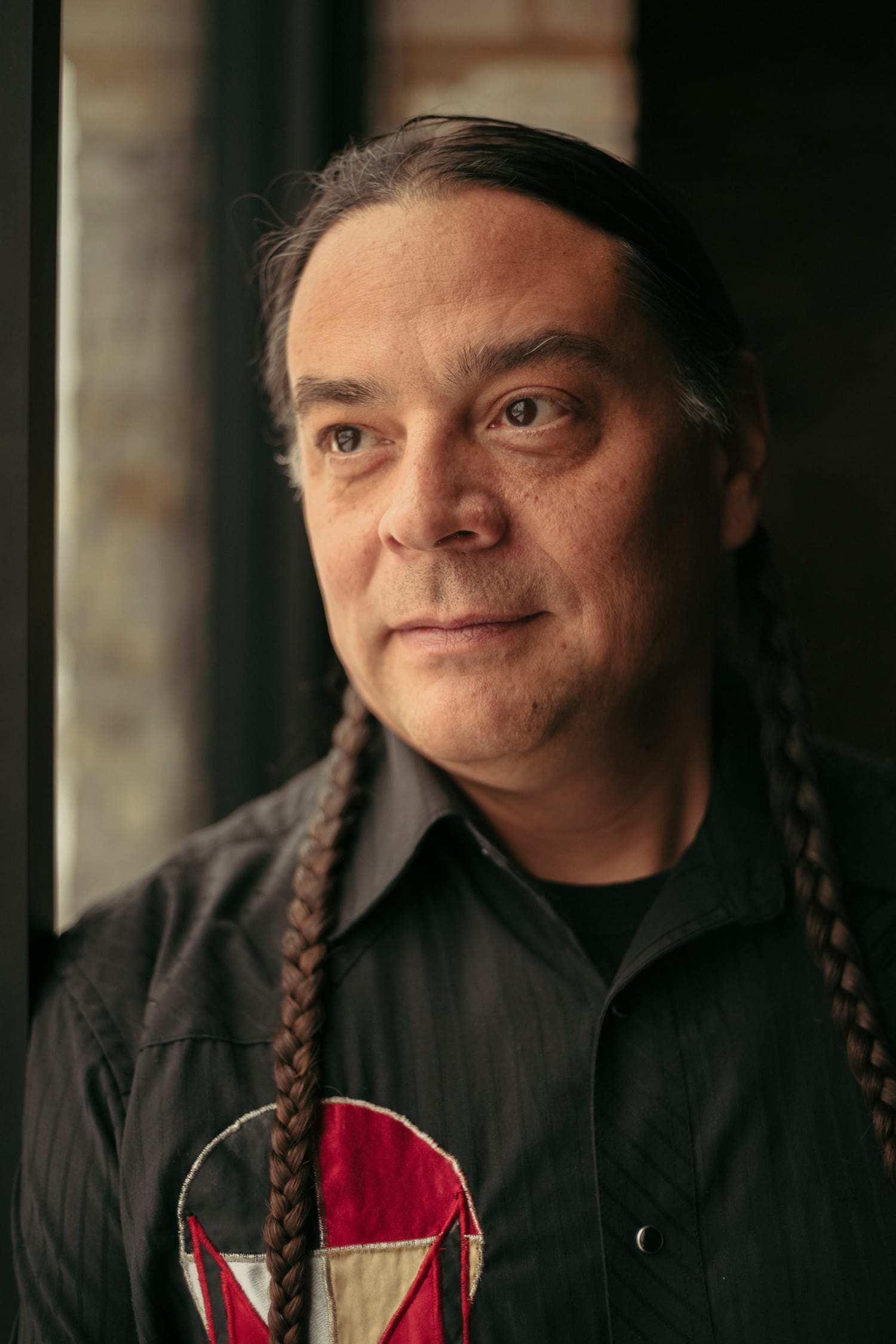
“What we do – defending the Amazon, other rainforests, the ocean, lakes, rivers, animals – is not just for us,” says Juma Xipaia, leader of the Xipaya community in Brazil, quoted in Dotter’s new book. “We alone do not guarantee the balance of health on this planet. If you would rather not listen to Indigenous people, think about yourself: what world do you want to leave you to your children?”
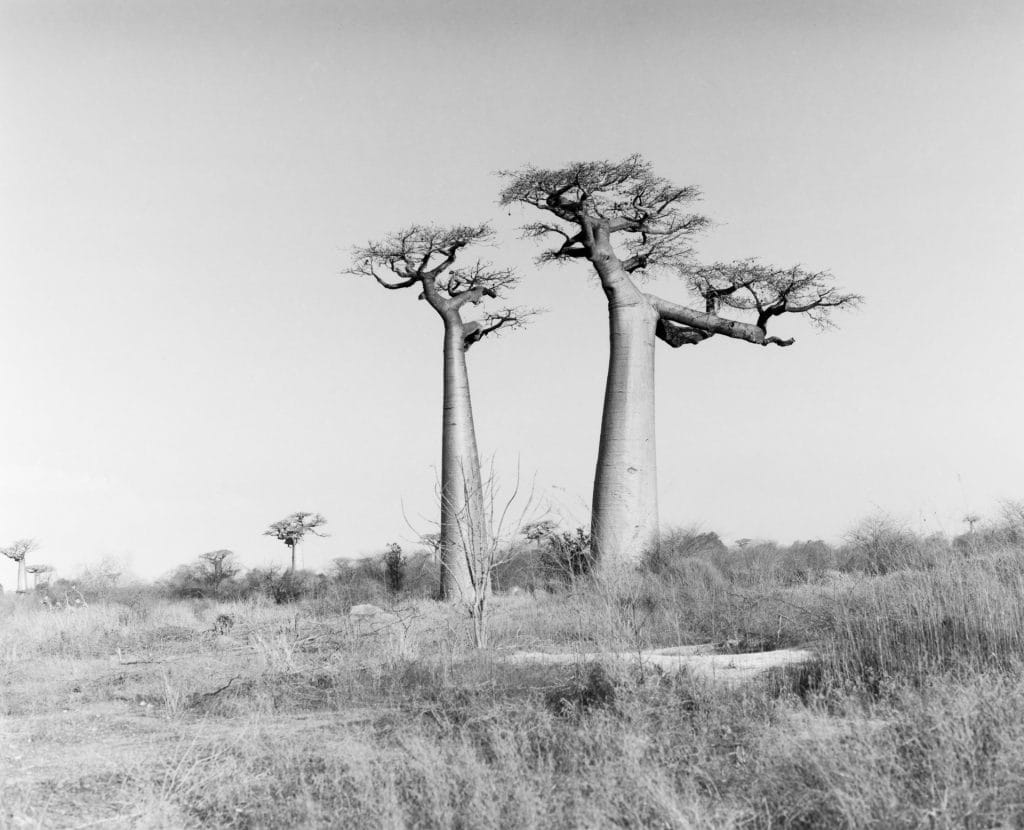
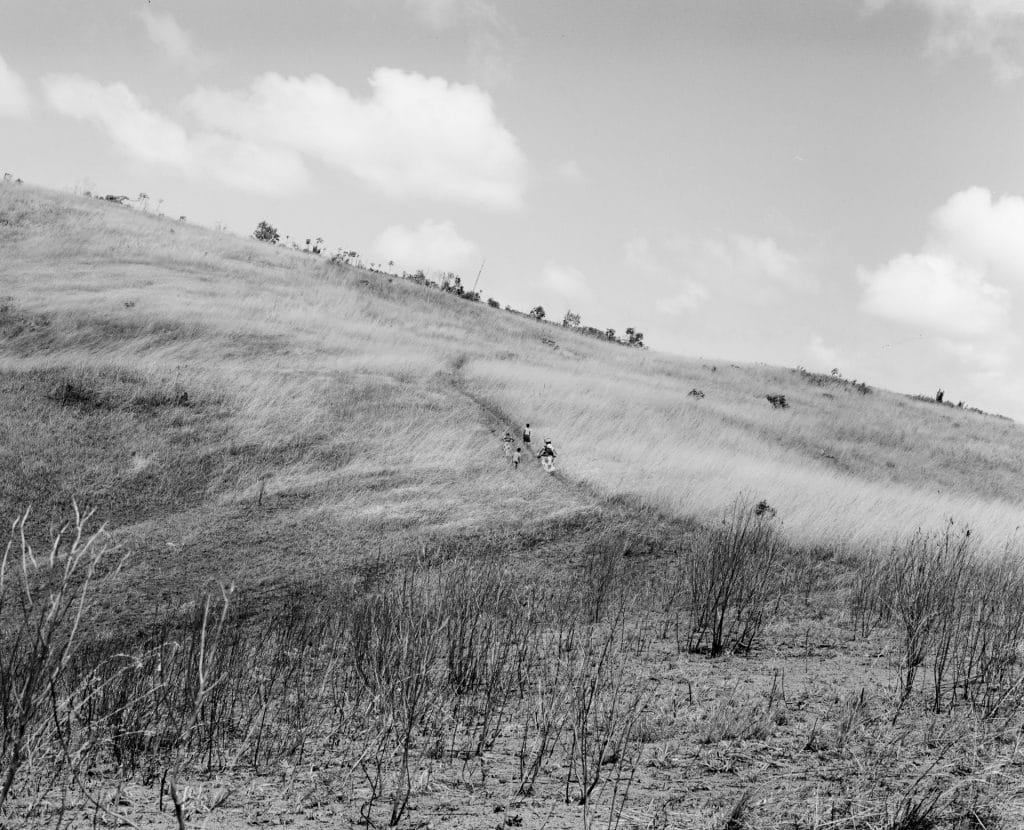
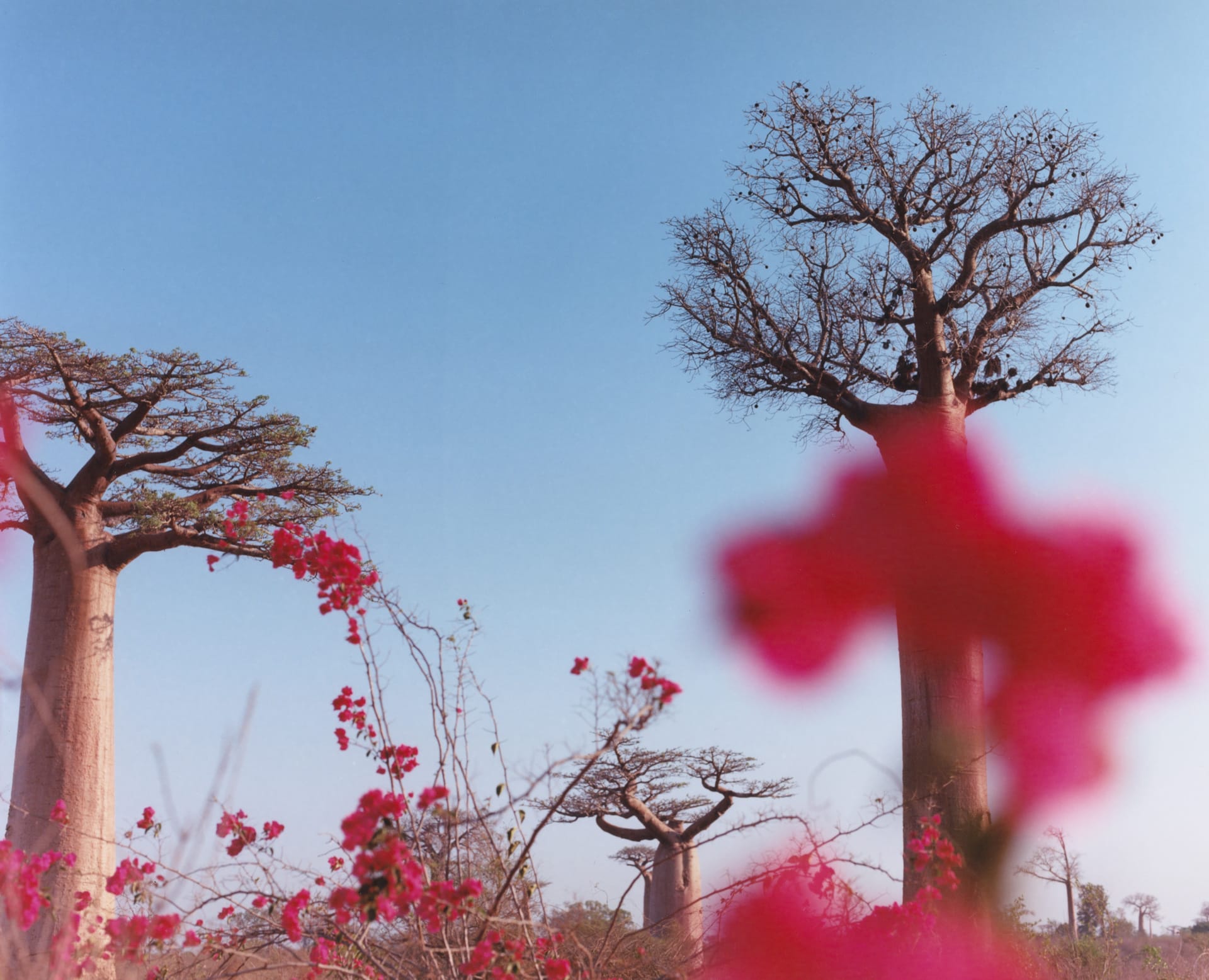
Giant baobab trees are an iconic feature of the landscape of Madagascar. Protecting nature in places like this means supporting the health and prosperity of the people who live alongside it. Here, new climate-resilient rice farming methods have helped to secure food supplies, empowering people to care better for the natural world around them.
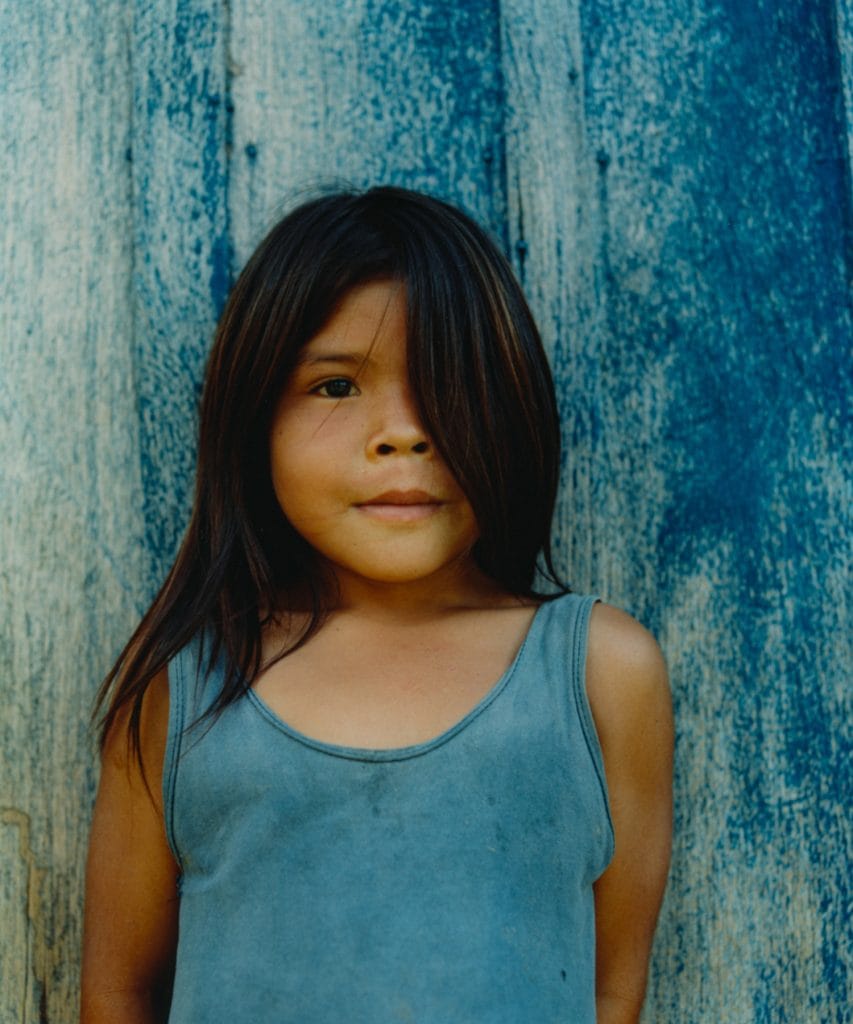
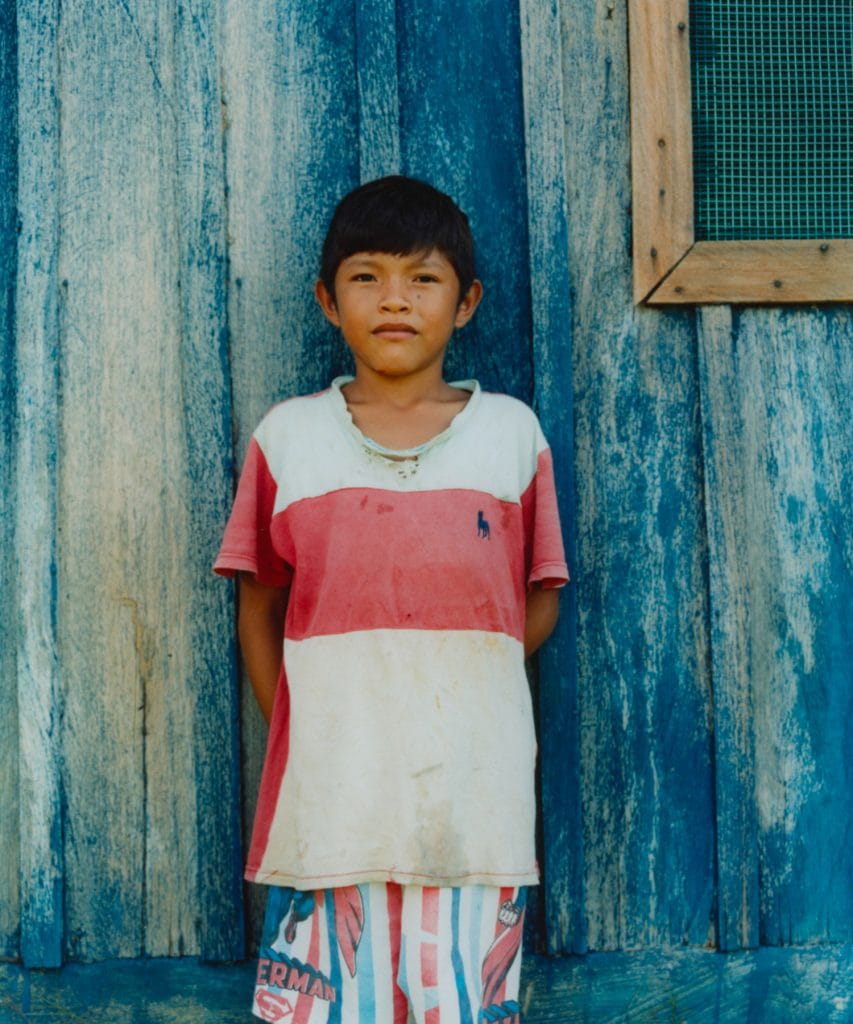
In Brazil, numerous tribes live along the Xingu River, which was the first indigenous territory in the country to be officially recognized.
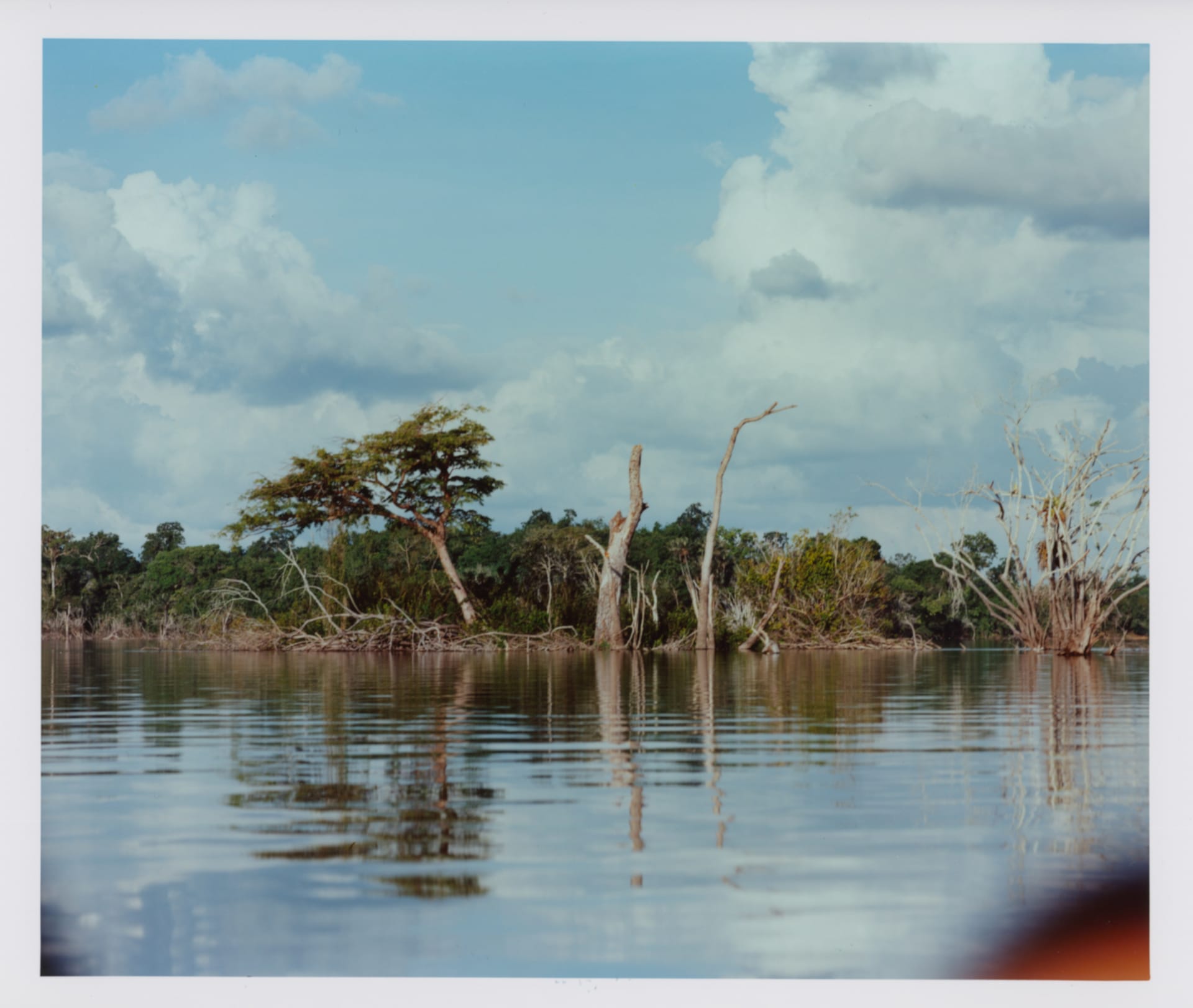
People here have seen the health of the Xingu River decline, following the construction of a huge new hydroelectric dam which was completed in 2019.
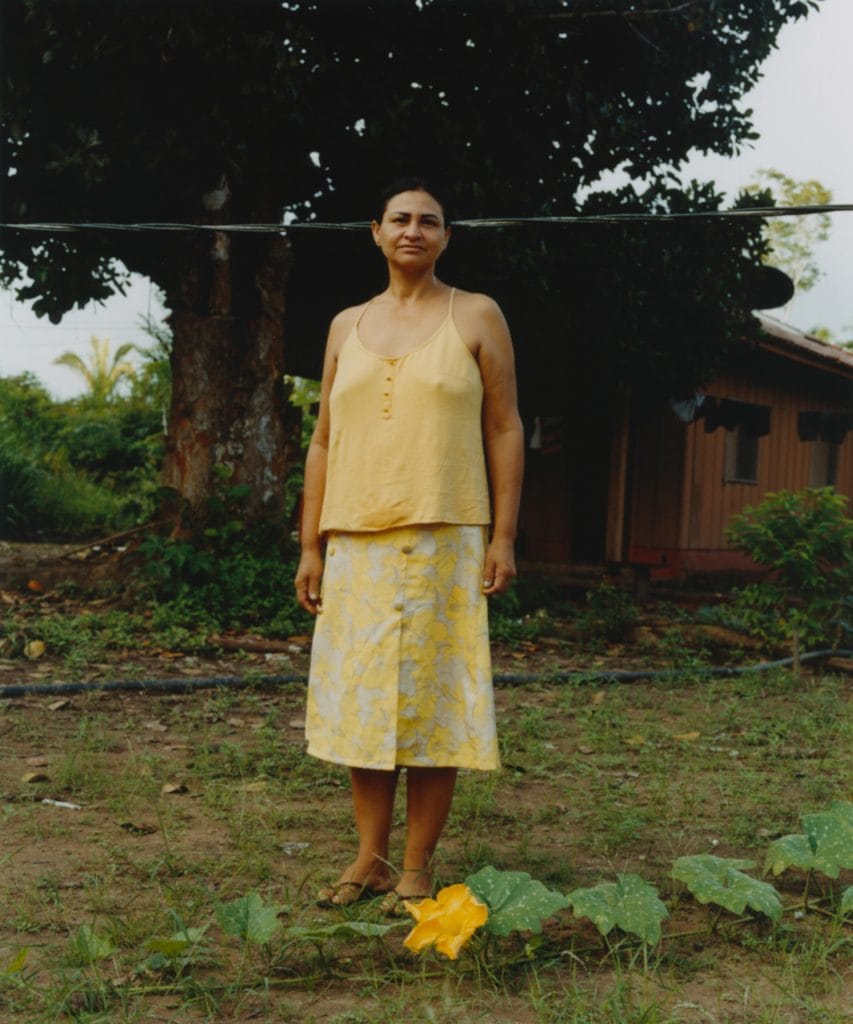
Dilcilene Curuaia (left) is a nursing technician in the Gabiroto community. The community uses traditional ecological knowledge to make sure its people’s needs are met, while also supporting the environment. Growing at Curuaia’s feet are pumpkin plants.

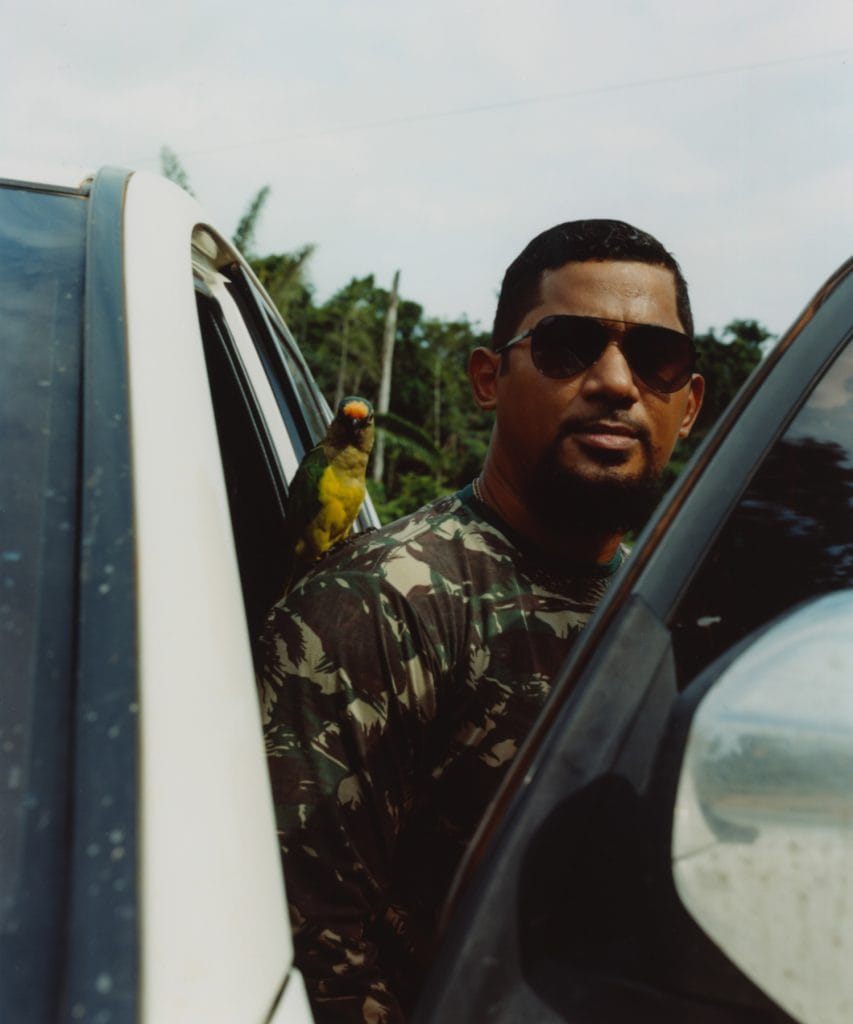
A red-and-green macaw pays a visit. These beautiful birds are a common sight here in the Amazon, but populations are declining due to habitat loss and illegal capture.
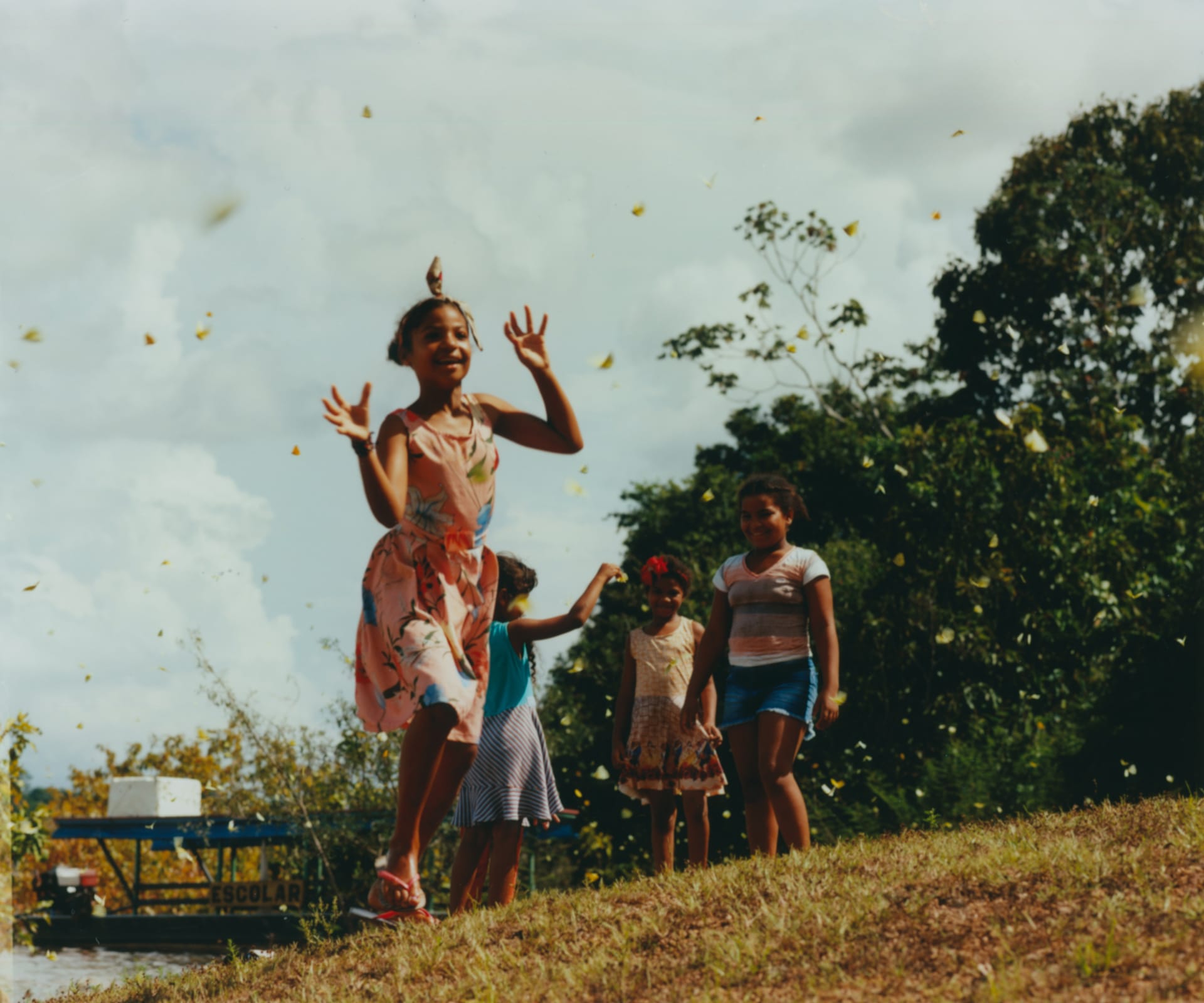
Children chase butterflies near the Xingu River. The area’s rich biodiversity is at risk from the knock-on effects of a new hydroelectric dam, which local people say is harming fish populations and water quality.
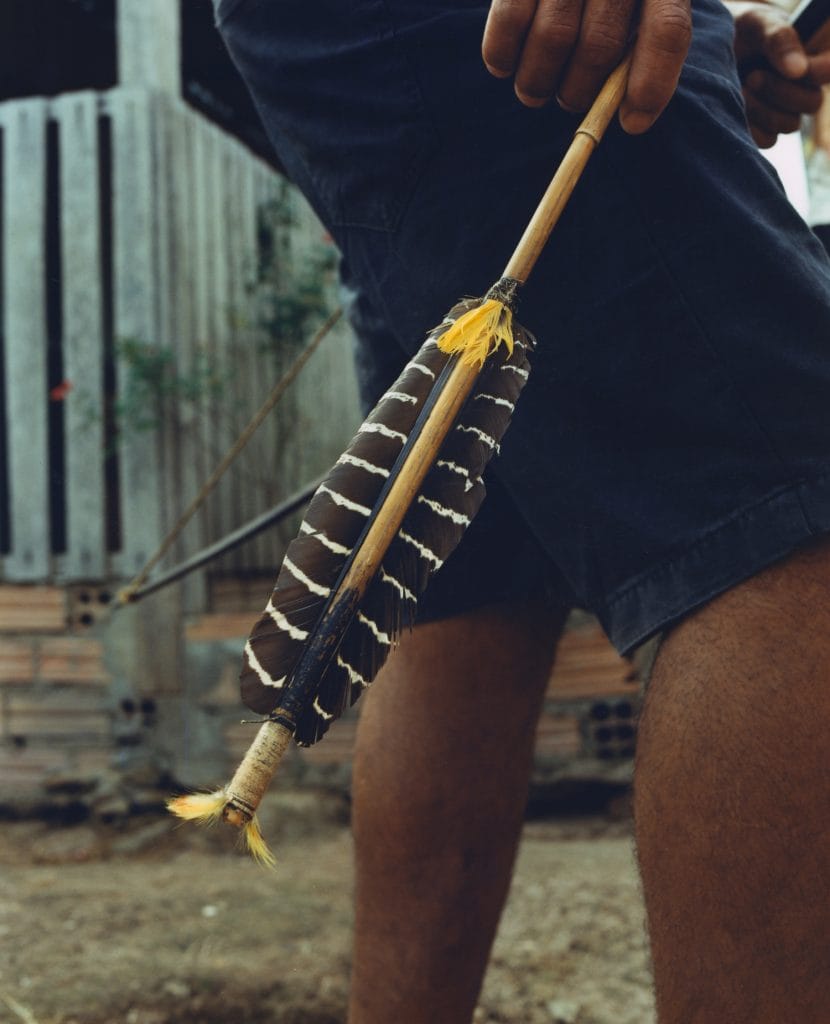
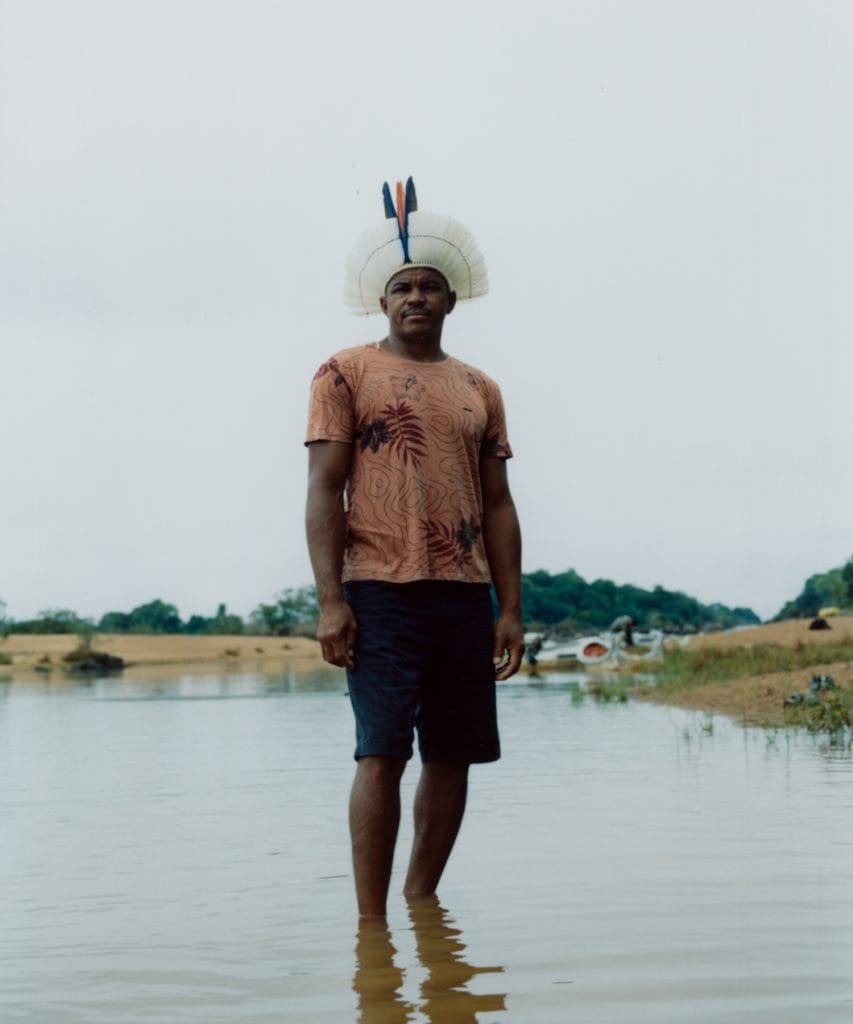
Indigenous leaders like the chief of Mïratu village find themselves in a battle against politicians and powerful international companies, to safeguard the health of their home and their people.
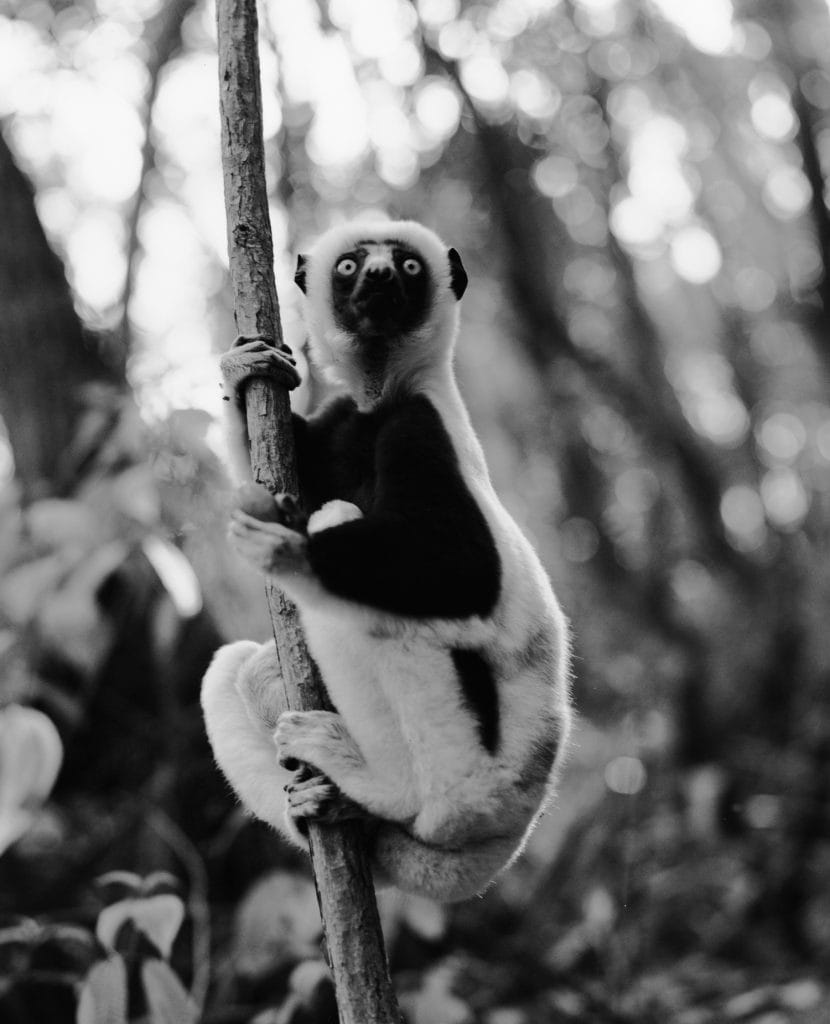
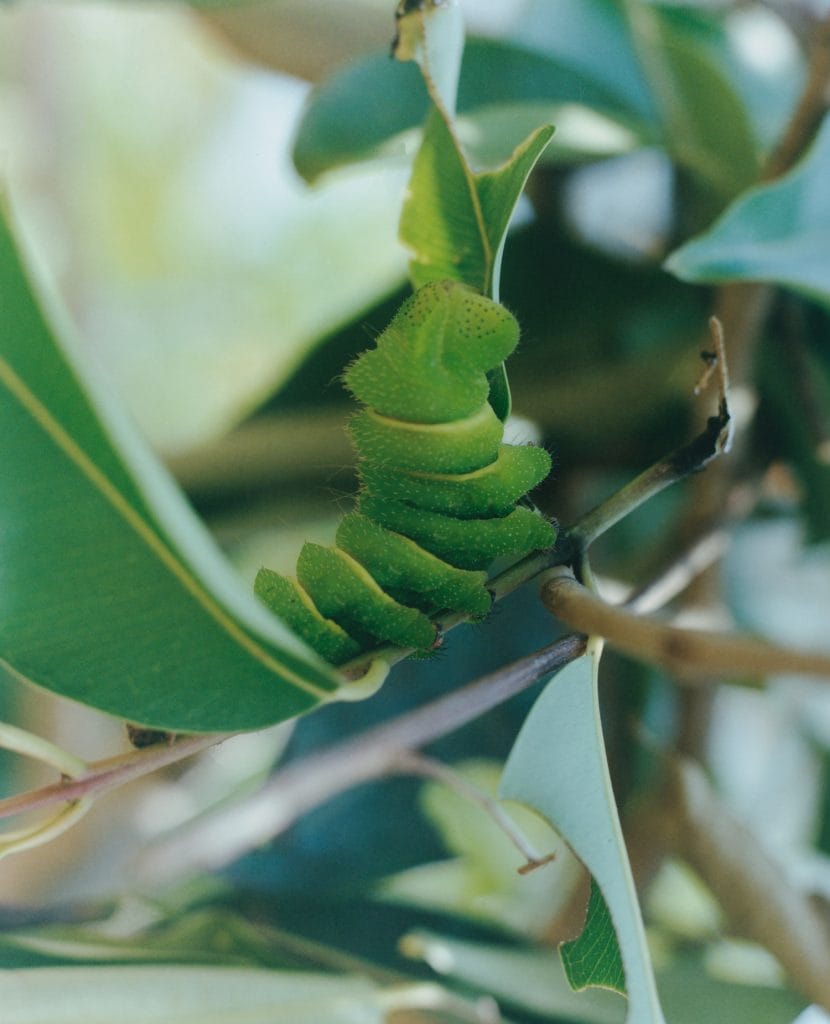
The forests of Madagascar boast stunning biodiversity, including lemurs and rare insects. But much of the forest that was once here is now lost.
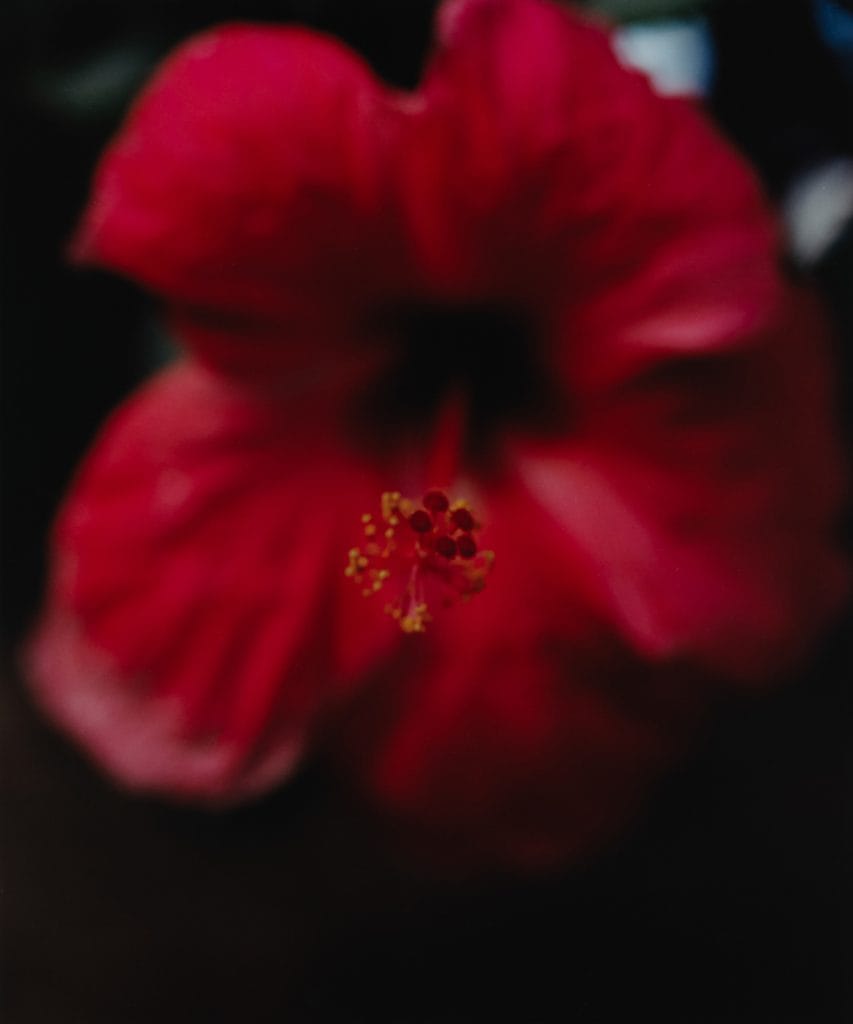
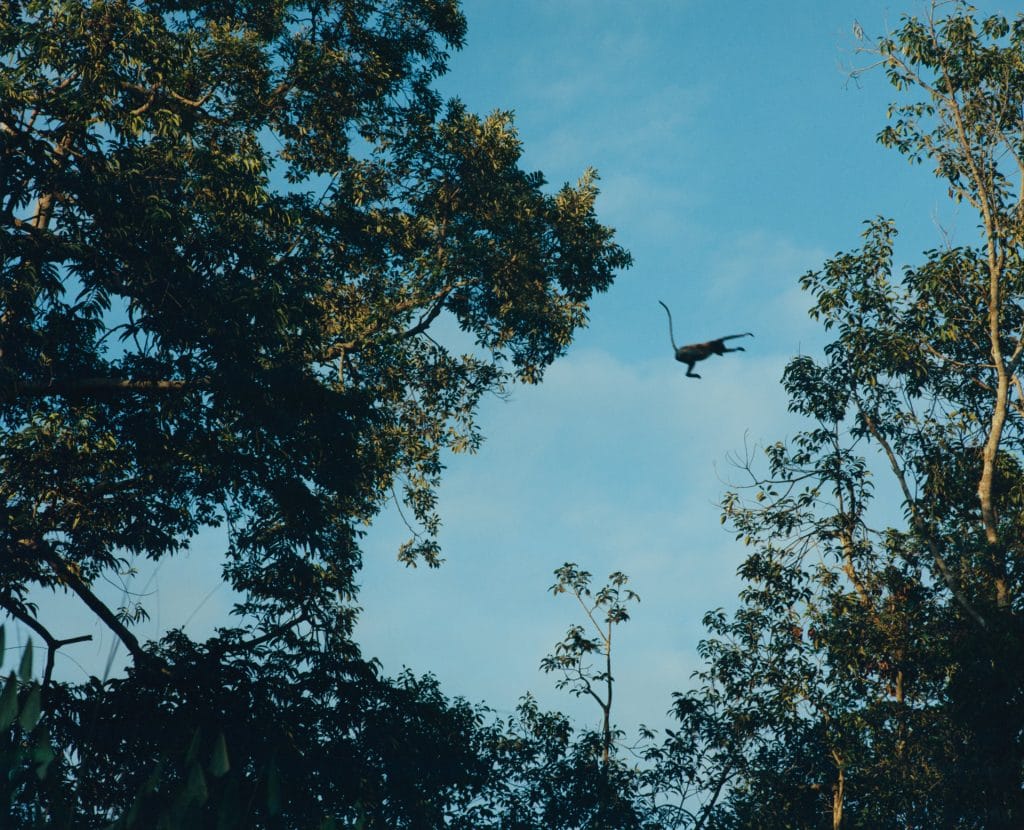
Dotter said: “I’ll never forget walking through the [wildlife] corridor in Borneo, exploring the forest. I was just enjoying the beauty of it, when they told me that everything around us had been reforested. A bit more than a decade ago, there had been nothing… It was indistinguishable from primary forest. And it turns out, animals can’t tell the difference either.”
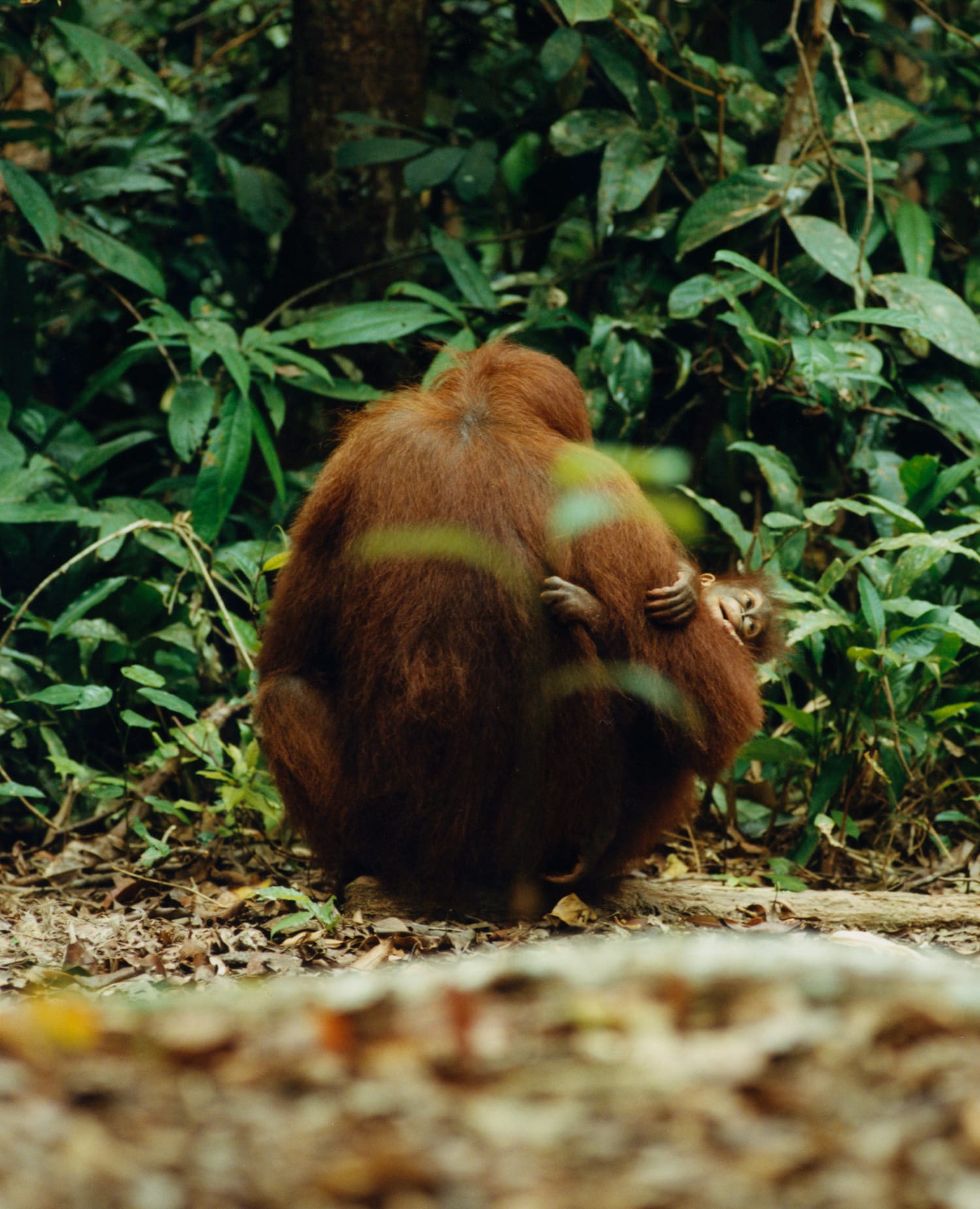
Logging is a constant threat to the home of orangutans in Indonesia’s Gunung Palung National Park, like this mother and infant.
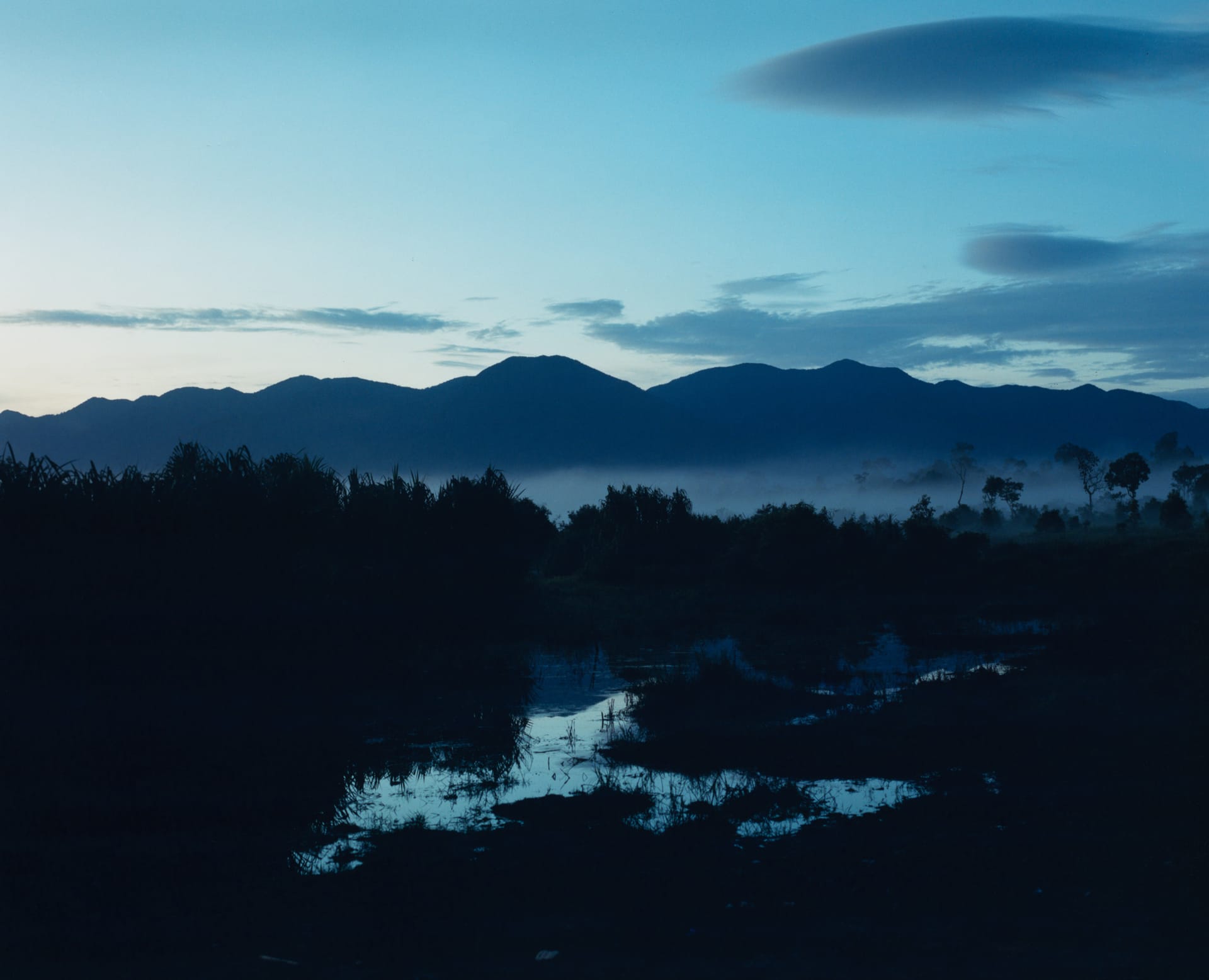
When visitors from Health in Harmony asked local residents what could be done to reduce logging in Gunung Palung, people said affordable healthcare and training in organic farming. Ten years on, there have been significant health improvements, while the number of households involved in logging fell by 90%, and thousands of hectares of forest have recovered.
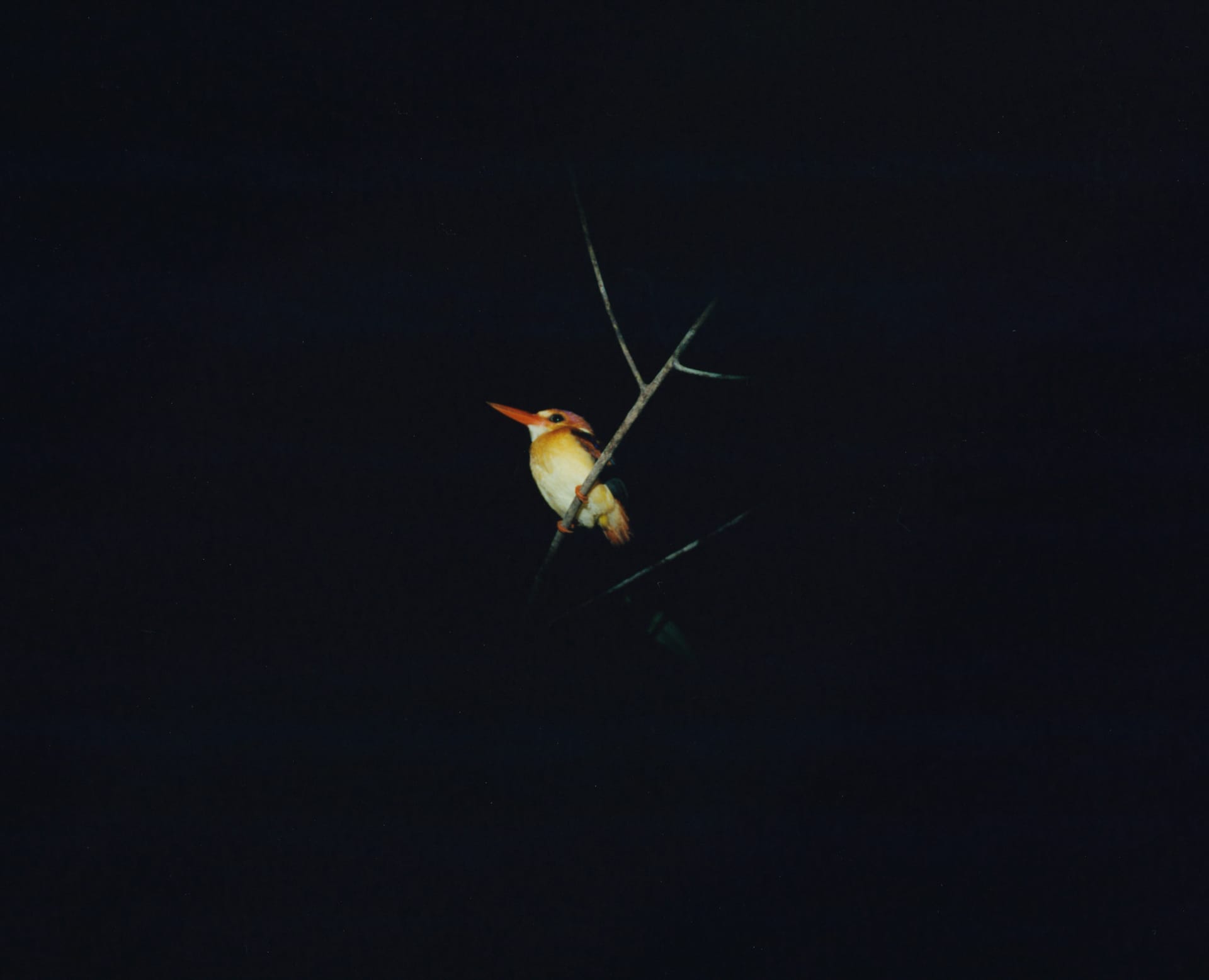
Stefan Dotter’s photos from Borneo, Brazil and Madagascar are collected in a book, Record, produced with support from Future Being. All profits from the book are going to Health in Harmony.

Cover star Madame Gandhi on the sounds of the Antarctic, free climber Alex Honnold reveals his biggest challenge yet, actor Rainn Wilson embraces his soulful side and much much more!