When writer Nina Karnikowski began a new life on the land, it wasn’t to escape from the world. It was to dive deeper into it. Here she shares how a local outlook has connected her to those around her, through homegrown food, shared work and neighborly care.
The first gift my husband and I received when we moved onto our patch of land wasn’t a houseplant or a bottle of wine, but a dozen eggs. A few days after we’d finished hauling our possessions up to the two-and-a-half-acre block, our neighbor wandered over at sunset with her two tweens and eggs from their chickens. “We’ve got too many,” she said, smiling as she handed me the carton. On top, a pink Post-it note was scrawled with their names and phone numbers, and a little heart drawn at the bottom. The next morning, as I ate two of those eggs on toast, I considered what I might offer in exchange for the next dozen.
That was almost four months ago now. The land – a 100-acre ‘community title’ in the Byron Bay hinterland, where we and 13 other families own lots and collectively care for common areas – was once a denuded dairy farm that has since been reforested. Our home is the old milking shed, which we’re slowly renovating with recycled materials and second-hand finds.
“We wanted to make a life that felt more like part of the solution”
As we do, the realities of life on the land are revealing themselves. Our three water tanks must be carefully managed. Regular community work days and meetings need to be fit into our schedules. Rich soil means plants grow so fast, we risk feeling like extras in Jurassic Park if we don’t prune prolifically. We’re adjusting to using the composting loo, to dealing with ticks, and to sharing the outdoor bathroom with spiders, pythons and red-bellied black snakes.
Another way of living
When any of it feels hard, we remind ourselves that this is what we wanted. To rely on our neighbors more, to grow at least some of what we eat, and to take responsibility for the patch of earth beneath our feet. We’re trying to live our values, knowing that these small acts will ripple outward, reconnecting us to place, people, and purpose.
There were other forces nudging us here, too. A neighborhood that, while lovely, didn’t have that level of interconnectedness we were craving – or space to grow food. Headlines about heat records breaking, species vanishing and sea levels rising. Loneliness statistics reminding us how far apart we’ve drifted, even as we scroll past one another online. ‘
And the underlying question: as climate pressure, global conflict and economic fragility continue to stretch our systems thin, will we always be able to source the food and water we need?
Rather than live as if these crises were abstract, we wanted to make a life that felt more like part of the solution. For years, I’d focused on shrinking my own footprint, hoping small actions might add up. Recently, though, I’ve come to realize that climate change isn’t just an environmental crisis that can be stemmed through individual choices. Rather, it’s a symptom of a deeper economic problem – a global system built on extraction, endless growth and long supply chains that sever us from place and each other.
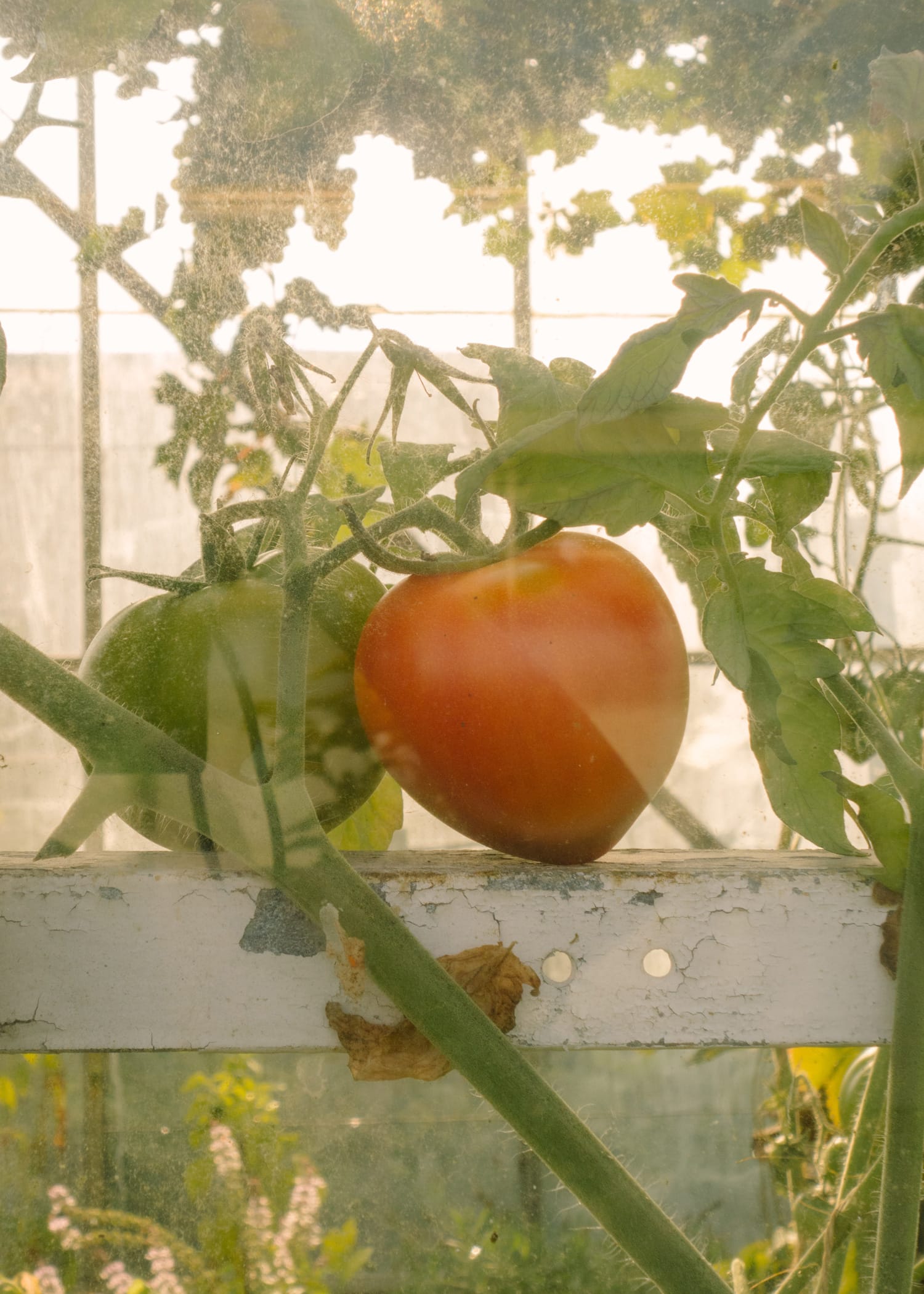
Photo: Ira Grünberger / Connected Archives
Discovering the work of Helena Norberg-Hodge, who has spent 50 years advocating for local, place-based economies, opened a new way of thinking for me. Her book Ancient Futures showed me how something called localization – essentially shifting power back to communities, shortening supply chains and relying less on distant markets – could tackle the economic roots of the crisis. It felt like the climate solution we rarely hear about, and I began to see how localizing our lives might be one of the simplest ways to respond.
I thought back over the time I’ve spent working as a travel writer, and realized that it has been the subsistence communities that have taught me the most. In Mongolia, where nomadic herders still move with the seasons, or Ladakh in northern India, where villagers grow their food from glacial meltwater and build homes together with mud bricks. Despite lacking what we call ‘modern conveniences’, these communities seem to hold a wisdom that our fast, fragmented world has lost. They are, in many ways, the truest versions of success I’ve seen: places where interdependence, not accumulation, measures a good life.
To need and to be needed
Now, we’re starting to notice the benefits of living this way. Our composting toilet, I’ve learned, saves thousands of gallons of water each year. We’re using less water generally, knowing that if we overuse the tanks, they could run dry when we need them most.
Soon we’ll be saving on groceries, too, with our own eggs and vegetables. That means less reliance on store-bought, transported food – which accounts for nearly 20 percent of the heat-trapping pollution caused by the global food system – and fresher, more nutritious meals. It also feels good knowing local food systems support farmers fairly: at markets, they take home up to 80 percent of the retail price, compared with only 10 percent in supermarkets. Spending more time gardening is also helping calm our busy brains, providing respite at the end of mad work days.
MORE FROM IMAGINE5

To be clear, we didn’t move here to escape. After seven years in the region, we already had a circle of friends here who felt like family. But we wanted to need people more. To lean into relationships we sense we’ll all be relying on more heavily as the world continues to shift. We know from experience, having lived through Covid and devastating floods in our region, that when that time comes it won’t be policies or platforms we’ll turn to first. It’ll be small acts of reciprocity within the community, and the question: what do I have that you might need?
Completing the circle
Five weeks ago, we had a community work day to clear a path down to the river at the bottom of the property. The work, which included cutting up felled trees, pulling weeds and slashing pathways through bracken, would have taken one of us days. Together, we finished it in just over an hour.
This weekend we’ve been invited to a meeting about getting our area ready for weather emergencies before the scorching summer. It’s got me thinking about how we’re taught that survival belongs to the fittest. But what if strength is really measured in our ability to cooperate? Darwin himself observed that human survival has depended less on aggression than on our capacity to live in groups. To care for each other, and to extend kindness. It isn’t the fiercest who thrive, but the most connected. And that’s exactly what these simple acts – eggs on the doorstep, community work days and meetings – are helping us remember.

Photo: Franz Gruenewald / Connected Archives
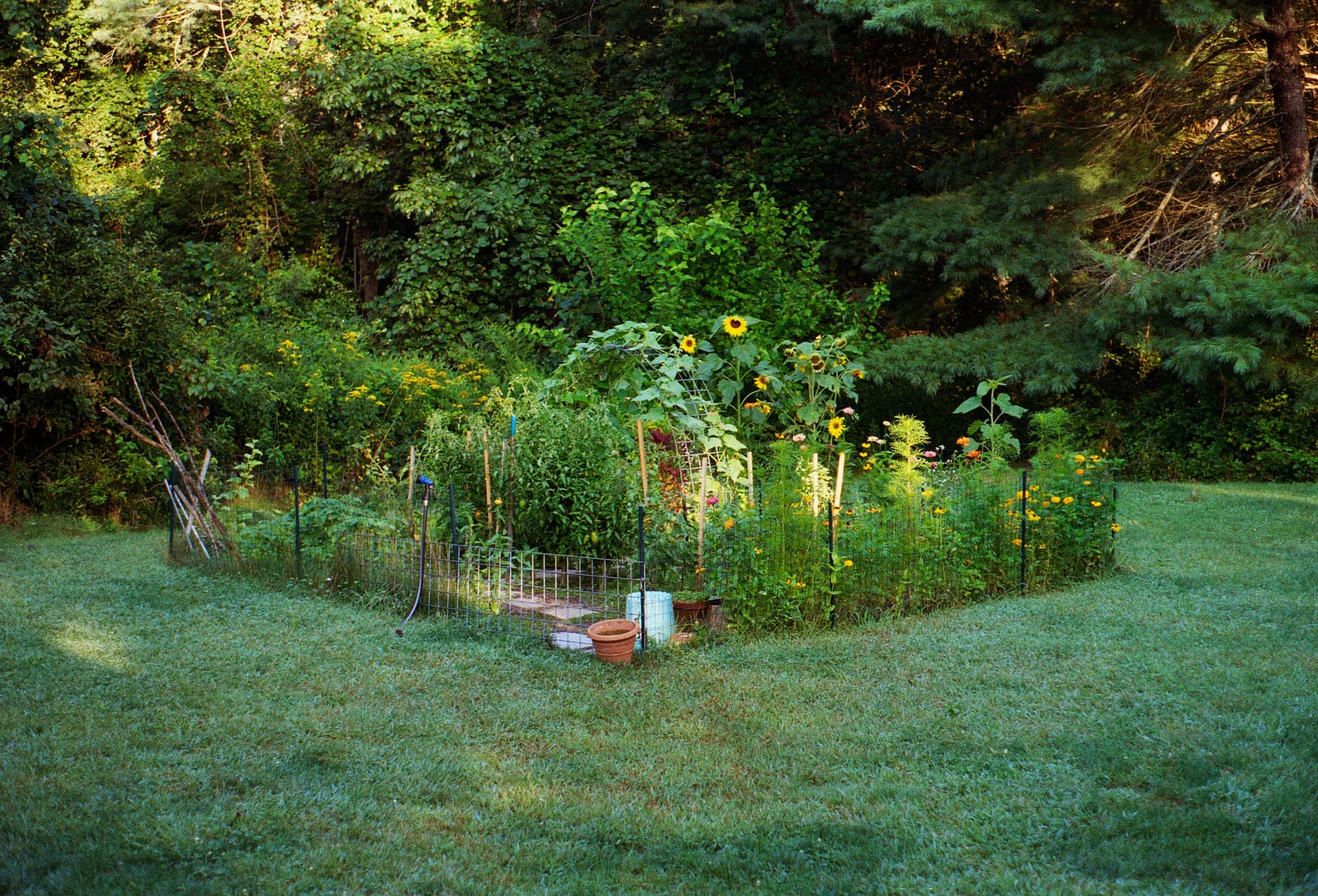
Our latest step has been setting up a permaculture garden, guided by the principles of working with nature rather than against it. It’s slow, imperfect work, creating compost bays, designing garden beds that mimic natural ecosystems, pulling endless quantities of weeds and learning how water, sun and soil work together here. The promise of feeding ourselves and our friends from our own patch, however, makes it all worth it.
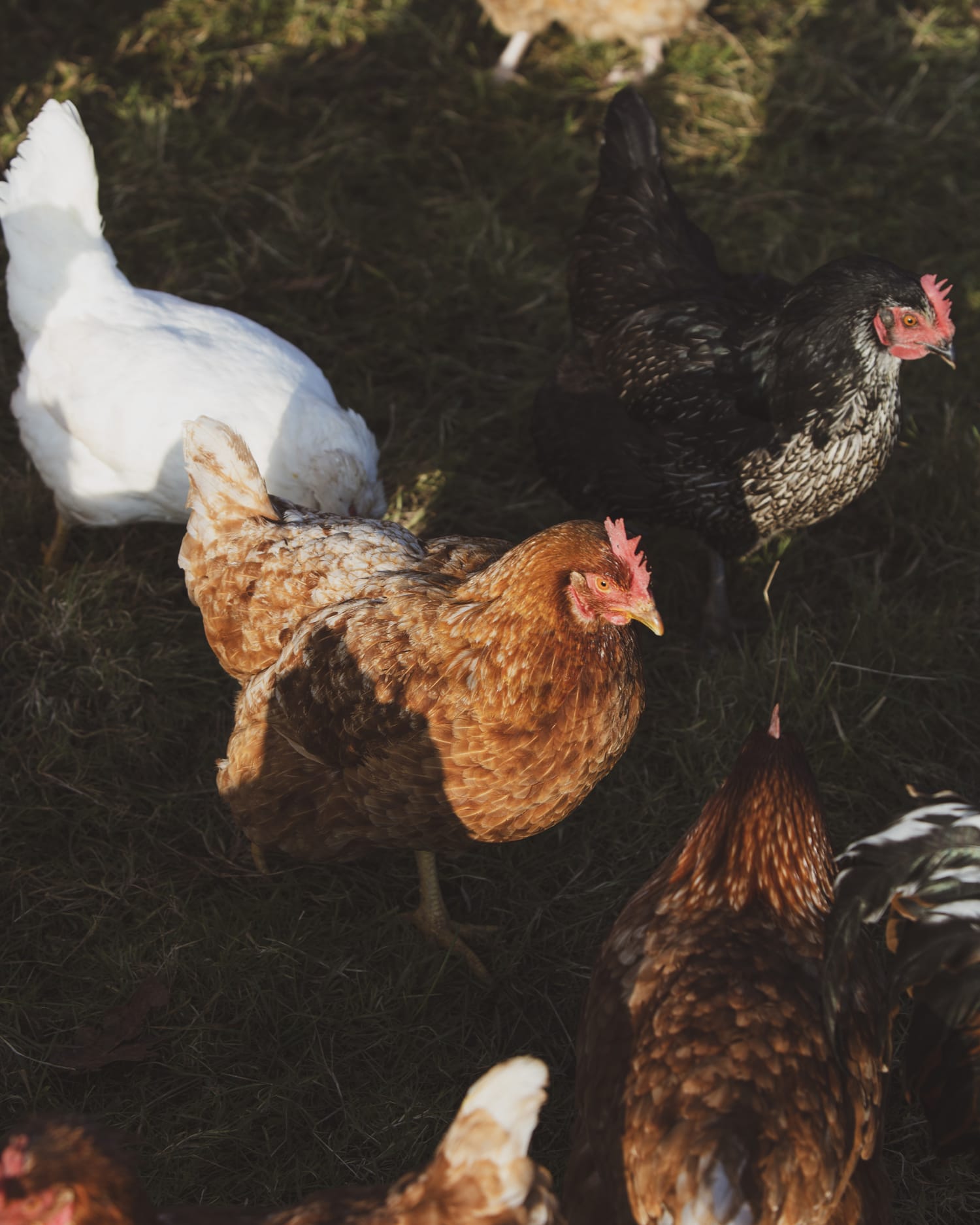
At the same time, we’ve also welcomed a flock of five rescue hens through a local business run by a woman named Julie, who saves ex-battery chickens from factory farms and finds them loving homes. They arrived with wonky beaks, missing feathers and fried nervous systems. Some of them are bullies, and not all of them are prolific layers.
None of that really matters, though. Because giving them space to recover and reclaim a little freedom is what this move is all about: remembering that it isn’t just about what we can take from the land and the beings that live on it, but how we can restore and care for it. And now, we’ll finally have eggs to offer our neighbors in return.
How to localize your life (even if you don’t have any land)
Grow (some of) your own food
Even a small veggie patch reconnects you to seasonal rhythms and reduces dependence on long, energy-intensive supply chains. Over a year, a well-tended garden can yield dozens of pounds of fresh produce, nourishing body and soil alike.
Join a food co-op. Or start one!
Pooling resources with others builds trust, resilience, and access to fresh, local food. Co-ops also circulate more money within local economies, strengthening the people and places around you.
Swap skills or produce with neighbors
Bartering turns surplus into shared abundance. Trading extra zucchini for eggs, or offering your skill in exchange for childcare, rewrites what “wealth” means, from dollars to connection.
Buy from local producers and makers
Every dollar spent locally circulates longer, supporting livelihoods and fostering independence from distant markets. Even small choices, repeated over time, can have meaningful environmental and social impacts.
Chat with your neighbors about shared community projects
Shared resources – things like tool libraries, communal water systems, or neighborhood transport schemes – reduce waste, decentralize decision-making, and empower people to shape systems that serve everyone.

Cover star Madame Gandhi on the sounds of the Antarctic, free climber Alex Honnold reveals his biggest challenge yet, actor Rainn Wilson embraces his soulful side and much much more!