Some countries are way ahead when it comes to inspiring change. Let’s take a trip around the world to see what we can learn from them.

Photo: Alex Cretey Systermans / Connected Archives
Japan
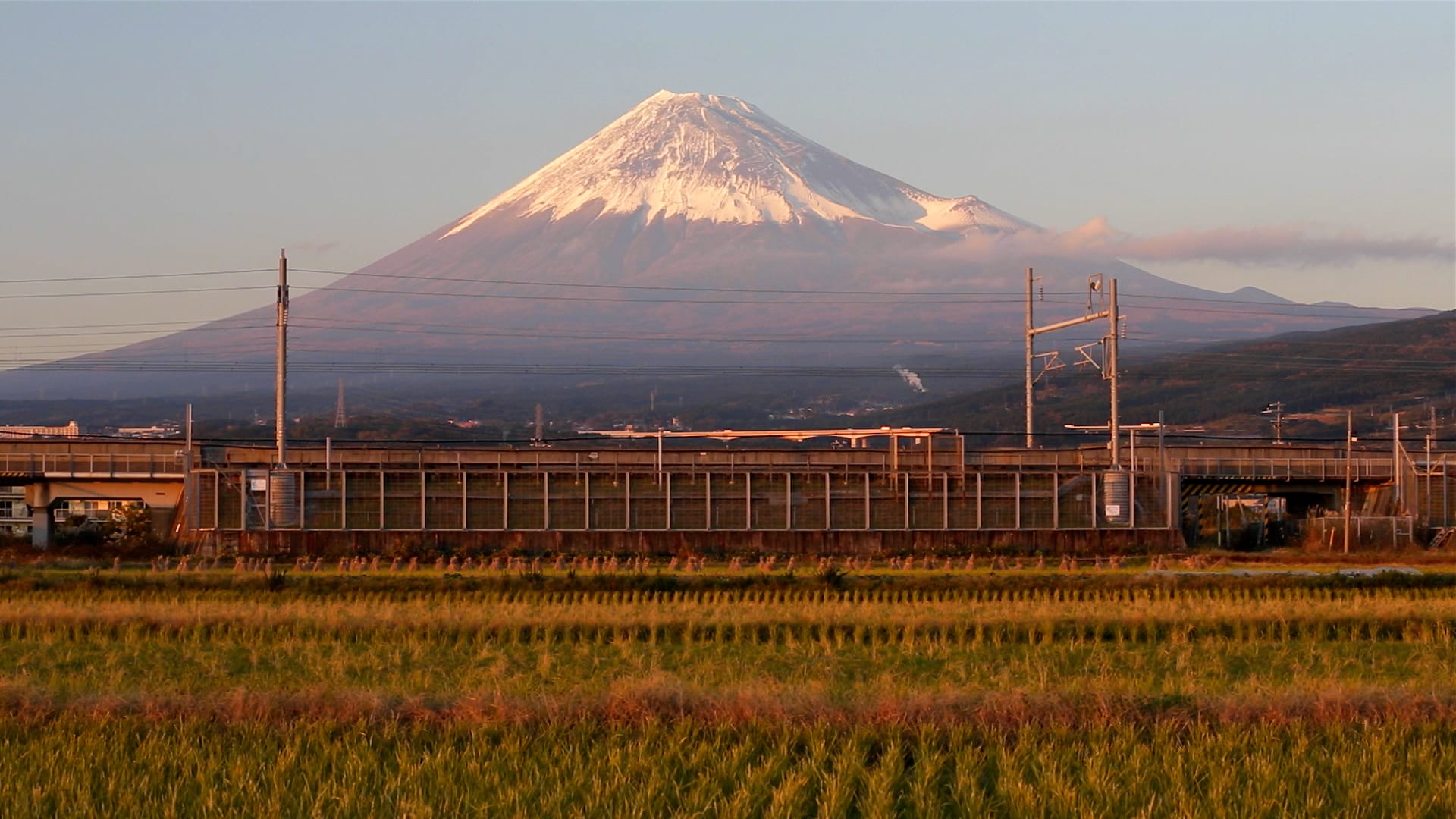
Full steam ahead
With a total track length of 19,029 miles (30,625 km), Japan has one of the world’s most extensive rail networks, transporting around 23 billion passengers in 2023. That’s great news for cutting pollution, because trains are one of the greenest ways to travel. The Japanese use trains for one out of every 2.5 miles (4km) they travel – compared to one in 400 in the US.

Photo: Margarita K / Pexels
South Korea
Fixing food waste
In 2005 the South Korean government made it illegal for food waste to be dumped in landfills – where it can lead to harmful methane emissions. In 2013 it introduced compulsory food waste recycling. Whereas before, only 2% of food was recycled, now 98% of food waste is repurposed into fertilizer, animal feed or fuel for heating.
Phot courtesy of NK Tegelwippen
The Netherlands
Turning gray to green
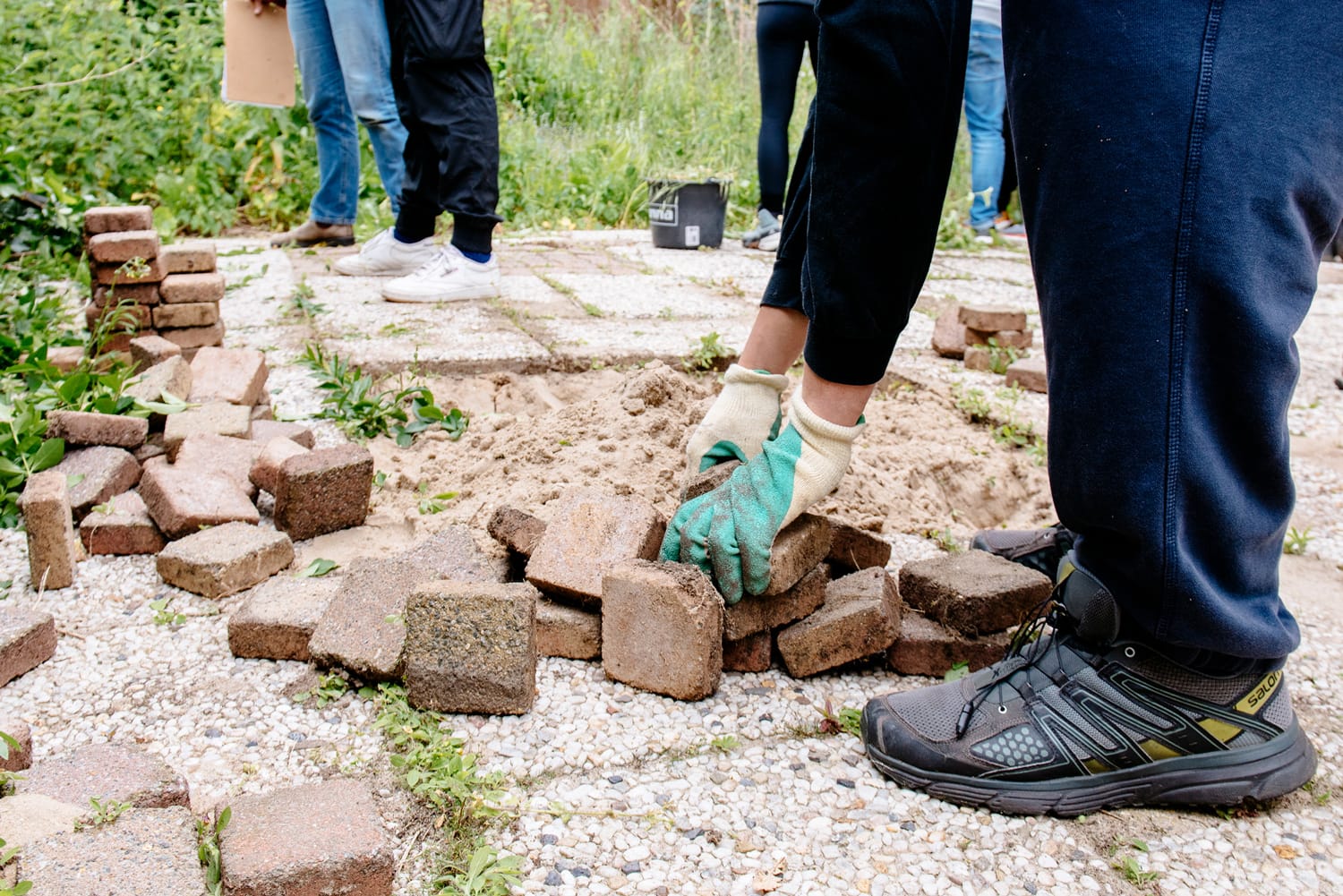
In this tiny country where wild space is limited, a grassroots national Tegelwippen (tile tipping) competition has emerged to see which city can remove the most street tiles and replace them with greenery. Since the competition’s inception in 2021, more than 11.9 million concrete tiles have been turned to green space.
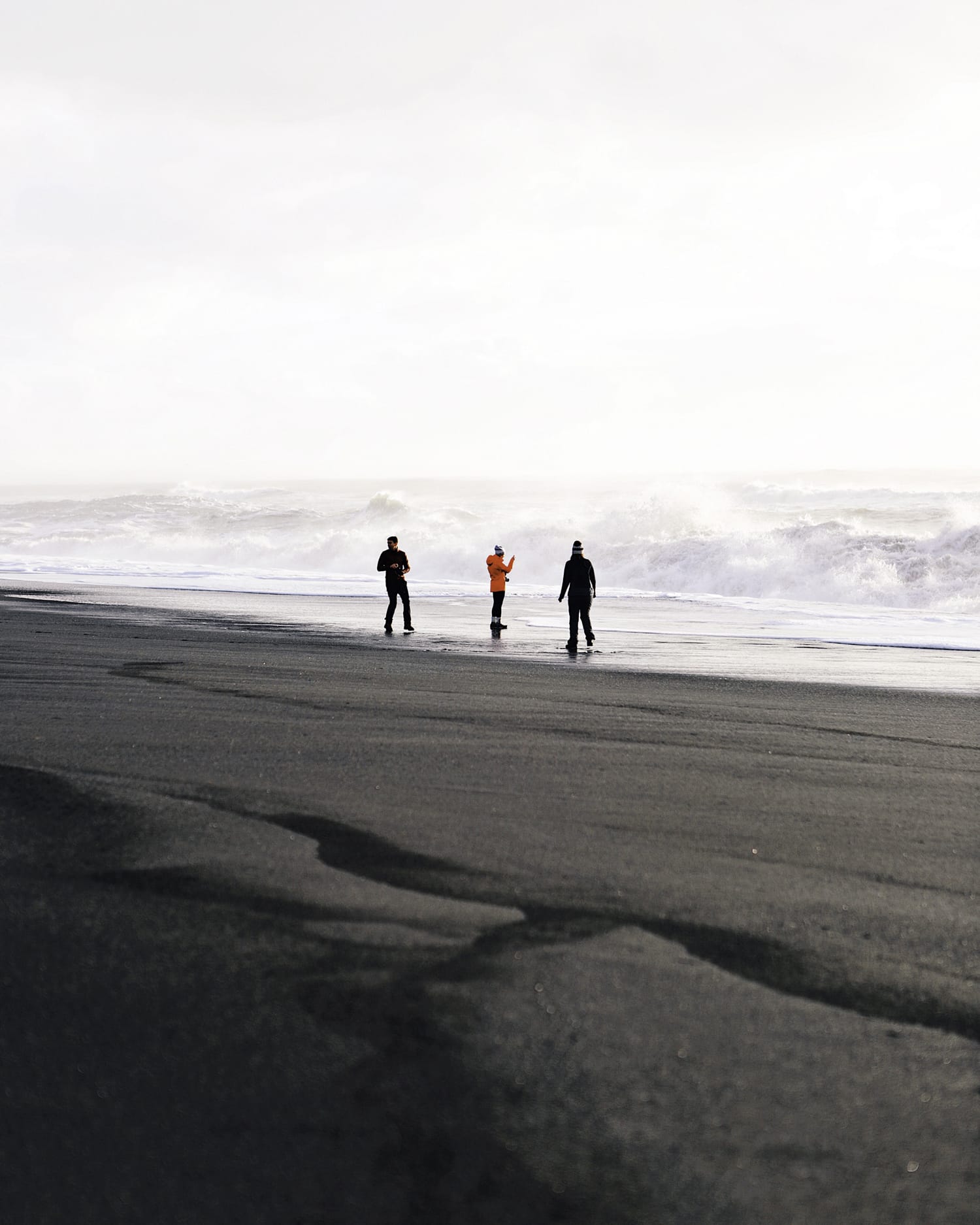
Photo: Anastasia Miseyko / Connected Archives
Norway
Embracing ‘friluftsliv’
Friluftsliv, literally ‘open-air living’, describes a Norwegian way of life that celebrates spending time in nature without destroying or disturbing it. It is the country’s most popular leisure activity. The concept is so ingrained in the culture that it has its own law, including the right to roam almost anywhere.

Photo: Grant Harder / Kintzing
Colombia
Urban cool
Faced with an urban heat island effect, where buildings and dark surfaces trap heat, in 2016 the Colombian city of Medellín set out to make over 30 green corridors connecting 124 green spaces. After planting millions of native trees and plants, Medellín cut its average temperature by 3.6F (2°C) and aims to achieve a further decrease of up to 9F (5°C) by 2050.

Photo: Grey Hutton / Kintzing
Costa Rica
From deforestation to reforestation
Launched in the 1990s, Costa Rica’s reforestation program took the country from being one of the world’s most deforested, to a top ecotourism destination. How? The government paid landowners not to clear trees for agriculture and introduced a biodiversity law respecting all forms of life. Now nearly 60% of the country’s land is forest, teeming with half a million plant and animal species.
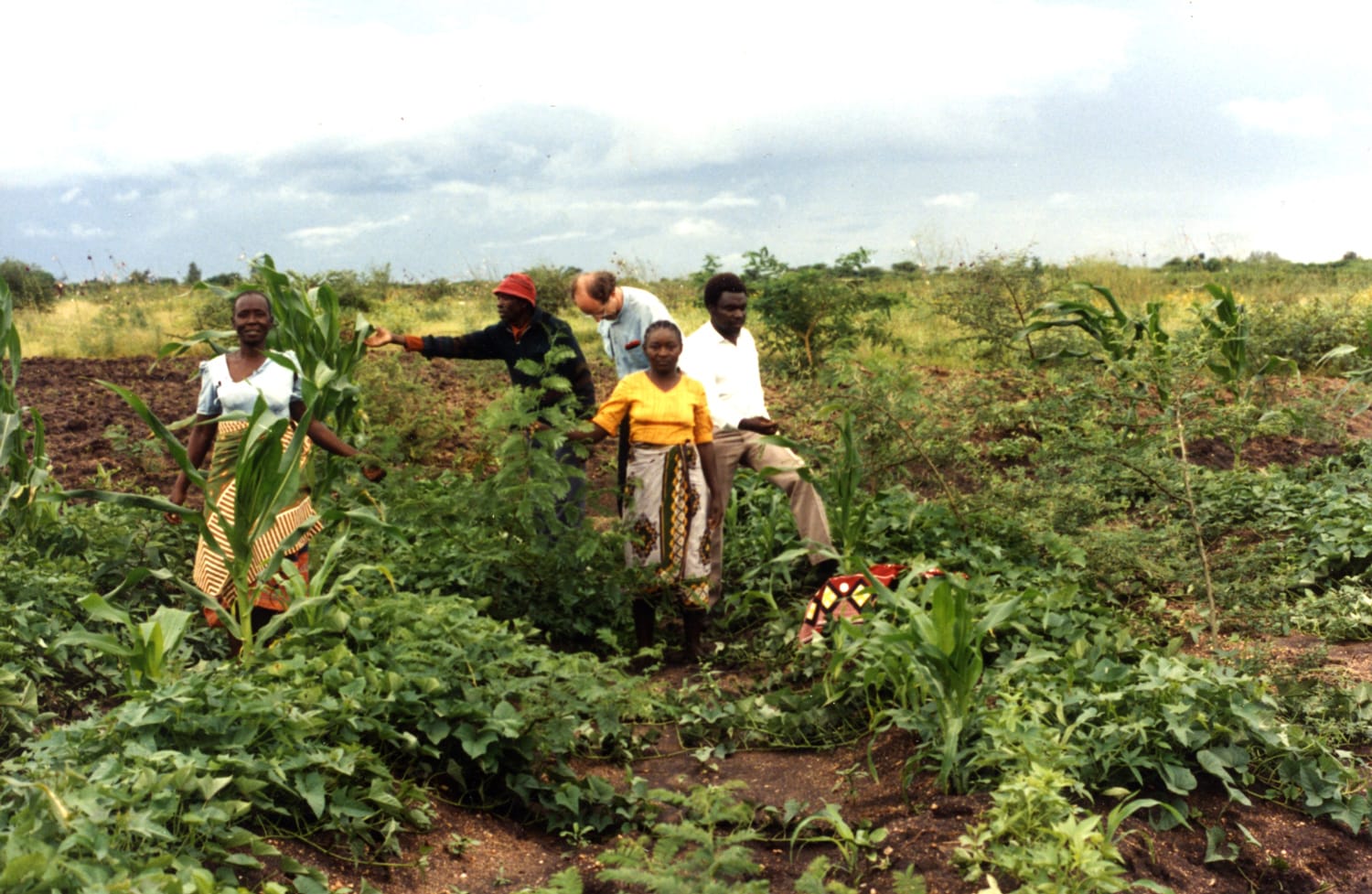
Photo: Edmund Barrow
Tanzania
Conscious grazing
Farmers in the northern Tanzanian region of Shinyanga are tackling desertification by closing off plots of land to livestock during the rainy season, allowing natural soil and vegetation regeneration. Known as the ngitili system, it combines traditional knowledge with modern conservation. The land is now a fertile resource for around 1.2 million people across 800 villages.

Photo: Nick Fonseca / Unsplash
New Zealand
Māori mindset
For the Māori, people and nature are kin. This is reflected in the concept of kaitiakitanga, which relates to the guardianship of the sky, the sea and the land. People can be guardians, but so can trees and animals. It’s a holistic mindset recognizing that everything is interconnected – a mindset we can all learn from.

Photo: Edos / Unsplash
Central and North America
The Three Sisters
Indigenous tribes across Central and North America have utilized the ‘Three Sisters’ planting technique for centuries. Corn, beans and squash are planted together to naturally boost growth and soil health. The corn supports the beans, the beans fix nitrogen into the soil, and the squash’s large leaves create shade. Modern regenerative farming is now rediscovering these principles.

Cover star Madame Gandhi on the sounds of the Antarctic, free climber Alex Honnold reveals his biggest challenge yet, actor Rainn Wilson embraces his soulful side and much much more!